
Last updated November 14, 2026
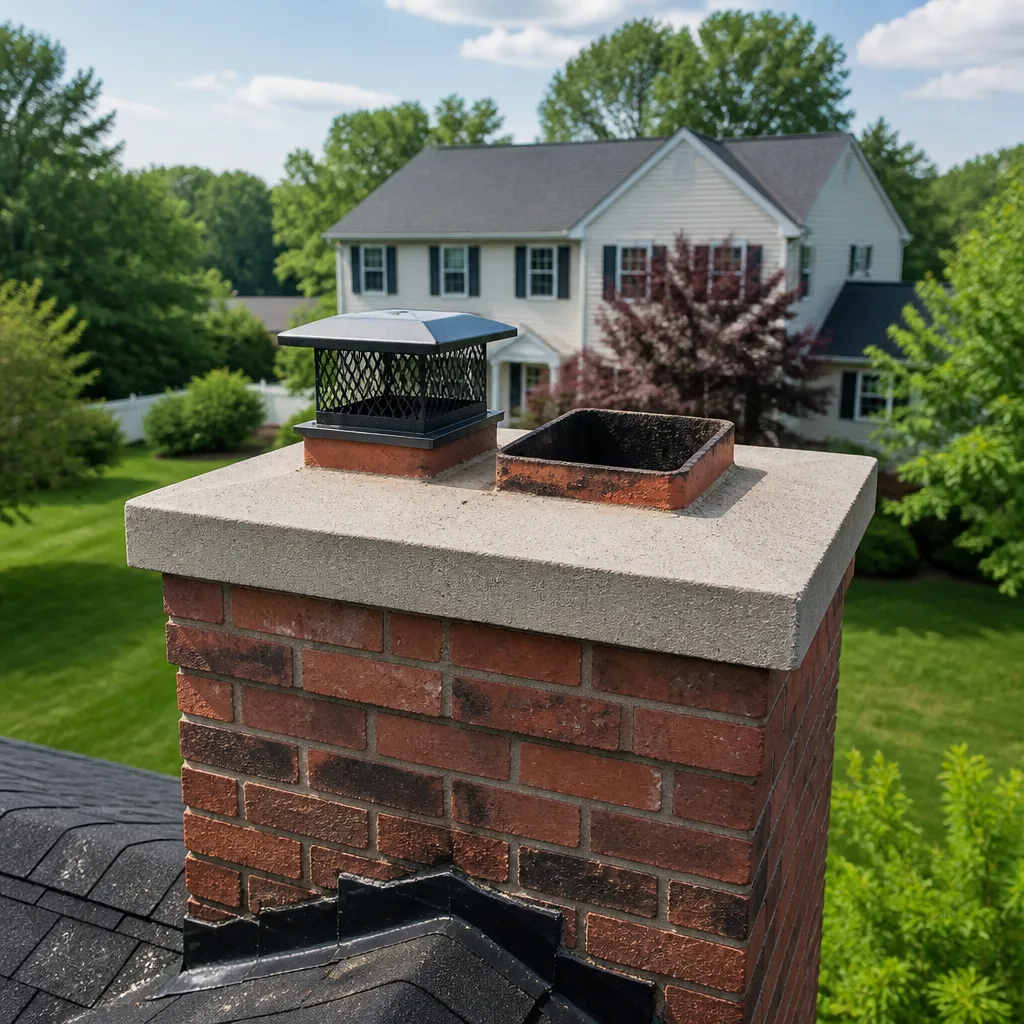 Sweep & inspection
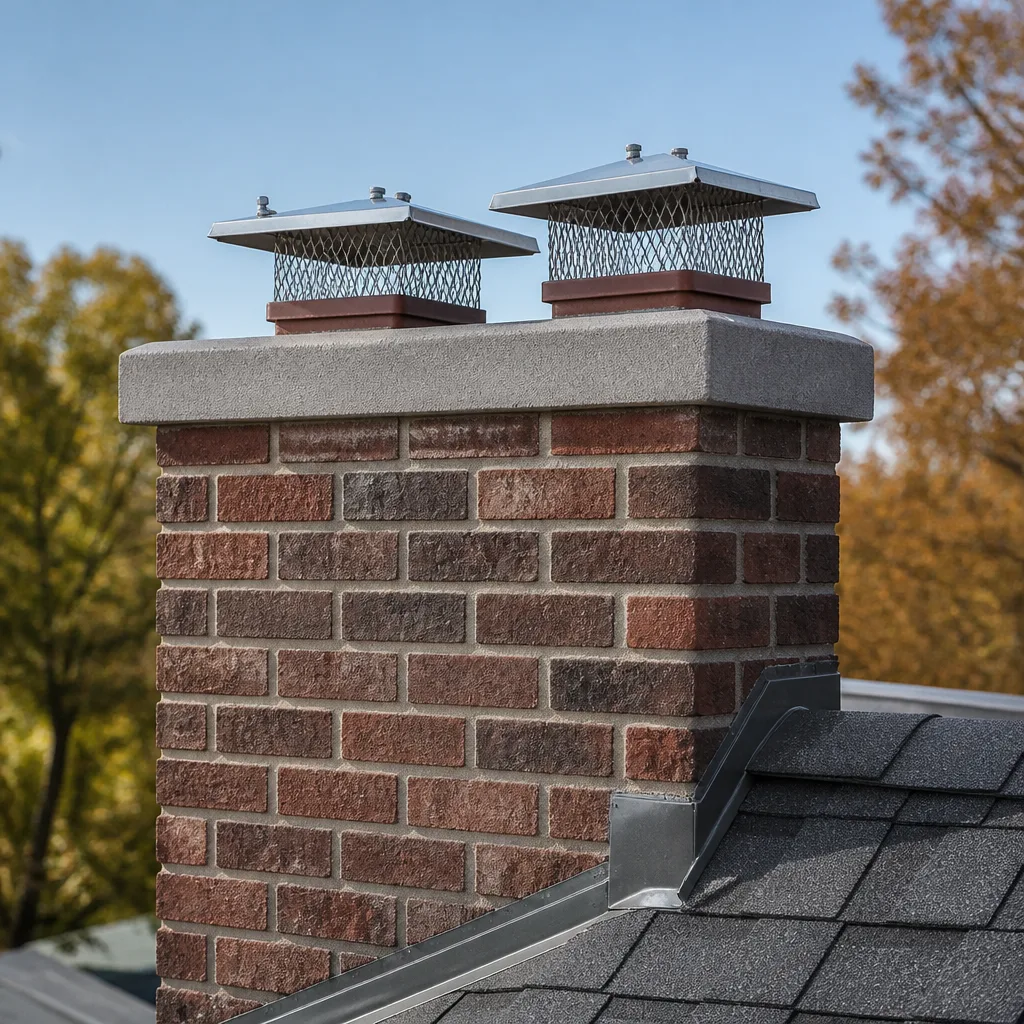 Caps & crowns
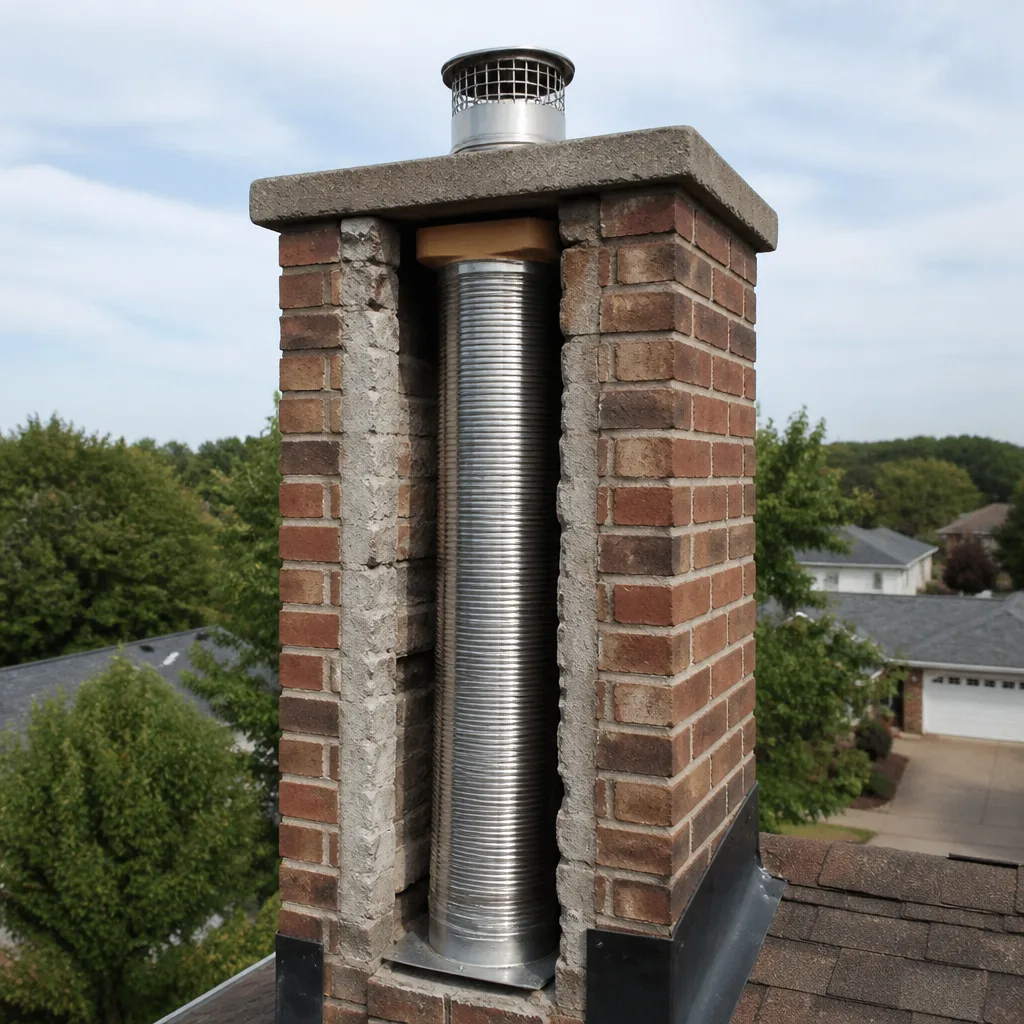 Flue relining
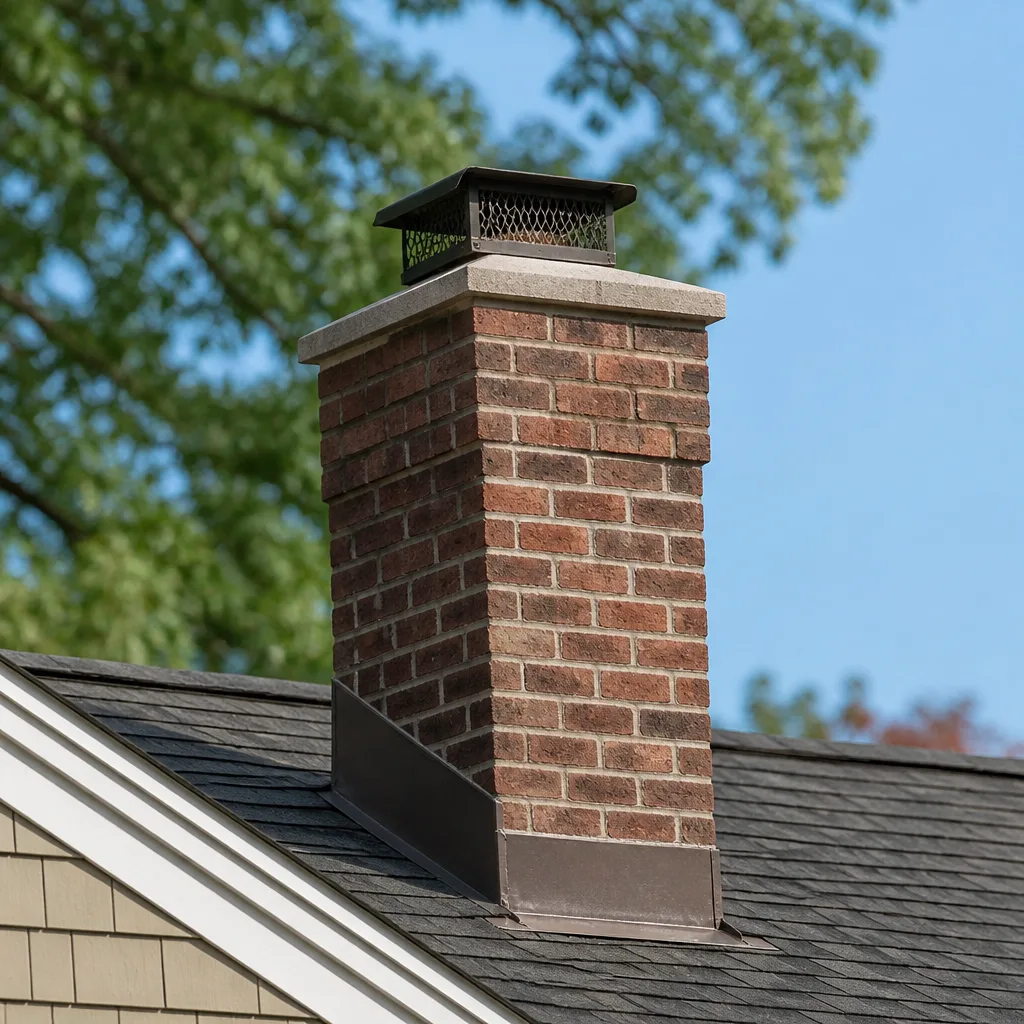 Masonry repair
 Gas fireplace service
Level 1 sweep and inspection to the NFPA 211 annual standard - flue, crown, cap, and flashing checked and photographed
Chimney sweep logs do not sweep chimneys. They loosen some creosote - which then falls where a brush and vacuum still have to collect it.
DIY vs Professional Chimney Cleaning: The Wichita Falls Homeowner’s Decision Guide
Chimney brushes are sold at every hardware store in Wichita Falls, and a quick search makes the job look straightforward. What those videos don’t show is the Stage 2 glazed creosote hiding behind the loose soot, the hairline crack in the flue tile at 15 feet, or the bird nest packed above the first bend. Those are the things that cause fires. This guide draws an honest line between what a Wichita Falls homeowner can safely do between visits and what genuinely requires a trained sweep with the right equipment and an inspection camera.
Quick Answer
DIY chimney brushing in Wichita Falls is only acceptable in a narrow set of conditions: a single-story home, a straight flue with no offsets, confirmed Stage 1 creosote only, and a recent professional inspection on file that established that baseline. Under any other condition – any amount of glazed creosote, a rooftop taller than one story, a liner you haven’t had assessed, or no inspection history – professional cleaning is the safe call because a brush alone cannot detect or remove the hazards that start chimney fires.
Styles & brands we work with
- Sweep & inspection
- Caps & crowns
- Flue relining
- Masonry repair
- Gas fireplace service
Table of Contents
- What DIY Brushing Can Actually Accomplish
- What DIY Cleaning Physically Cannot Accomplish
- The Three Stages of Creosote and Why They Matter Here
- Equipment Reality: Brushes, Vacuums, and Cameras
- The Insurance and Liability Question
- The Practical Middle Path: DIY Maintenance vs Professional Sweeps
- Why Wichita Falls Homes Specifically Benefit From an Inspection-First Approach
- What Happens When a Problem Is Missed
What DIY Brushing Can Actually Accomplish
We’re not here to tell you a chimney brush is useless. It isn’t. In the right home, a homeowner with a proper pole brush, drop cloths, and full protective gear can remove light, fluffy soot from a straight flue and keep the surface from building up between professional visits. That’s a real maintenance contribution. It is also the entire extent of what DIY can safely deliver.
The conditions under which DIY brushing is genuinely acceptable are narrow and specific:
- Single-story home. No ladders, no roofline work, no standing on a pitch. If you have to climb to reach the top of the flue, DIY is out – the fall risk alone is a hard stop.
- Straight flue with no offsets. A brush travels a straight pipe cleanly. The moment there’s a bend or offset, the brush cannot be guaranteed to reach the full flue wall.
- Confirmed Stage 1 creosote only. Stage 1 is loose, flaky soot. It comes off with a brush. Stages 2 and 3 do not.
- Recent professional baseline inspection on file. Someone qualified looked at the flue recently enough that you know the liner is intact and there are no hidden problems.
If any one of those four conditions is missing, the honest answer is that the job belongs with a professional. That’s true for most Wichita Falls homes, because most homes here aren’t single-story with a straight flue and a fresh inspection on record. The fireplace and wood stove homes we see tend to be older, with offset flues, tile liners that have aged, and no inspection history to speak of.
A word on the roof itself: working from a roof is the part of this job that causes the most serious injuries across the trade, well before any fire risk comes into play. Steep pitches, loose shingles, and wind are unforgiving. If reaching your flue cap requires stepping onto the roof, stop and call a technician. That’s the safety call, and it’s not a close one.
What DIY Cleaning Physically Cannot Accomplish
This is the section that matters most, because it explains why “I brushed it myself” and “it’s clean” are not the same sentence. A brush removes what it can reach. It does not evaluate what it cannot see.
Here is what a homeowner with a brush and a pole physically cannot accomplish, no matter how carefully they work:
- Stage 2 or Stage 3 creosote removal. Glazed creosote is bonded to the flue wall and requires chemical treatment and specialized tools. A brush skates over it. This is the fuel that turns a routine chimney fire into a dangerous one.
- Liner condition assessment. A cracked or deteriorated flue tile lets heat and combustion gases reach the framing of your house. Only a camera and a trained eye catch a hairline crack at 15 feet.
- Smoke chamber evaluation. The smoke chamber sits above the damper and below the flue. It’s a common creosote trap, and it is not reachable or assessable with a homeowner brush.
- Cap and crown inspection. A cracked crown lets water in; a damaged cap lets birds and weather in. Bird nests packed above the first bend block the flue and are invisible from the firebox.
- Draft and performance testing. A professional evaluates whether your fireplace is venting properly. Poor draft pushes carbon monoxide back into the room.
Those five items aren’t add-on services. They’re the core of what a professional chimney sweep is doing when they sweep your chimney. The brushing is the visible part. The diagnosis is the value, and it’s the part a homeowner can’t replicate with hardware-store equipment.
The Three Stages of Creosote and Why They Matter Here
Creosote is the byproduct of burning wood, and it builds up in three distinct forms. Understanding the difference is the single most useful piece of knowledge for a Wichita Falls homeowner deciding whether to brush or call.
- Stage 1 – loose and flaky. Fresh, dry, and easily removed with a chimney brush. This is what a regular brushing schedule handles, and it’s the only stage a homeowner brush is effective against.
- Stage 2 – hardened and crusty. Bonded to the flue surface, often with a glossy or cracked appearance. A brush will not remove it. It requires a professional sweep with the right tools and, in some cases, chemical treatment to break it down safely.
- Stage 3 – glazed. A hard, glassy, tar-like layer. Stage 3 creosote is the most combustible form and the most dangerous. It typically signals a long-term draft problem or burning unseasoned wood, and it cannot be safely handled with DIY equipment under any circumstance.
In Wichita Falls, the transition from Stage 1 to Stage 2 happens faster when you’re burning wood that hasn’t seasoned properly, or when your flue is drafting poorly. That’s why the inspection baseline matters so much. If you’ve never had a professional look at the inside of your flue, you have no way of knowing which stage you’re dealing with, and a brush that skates over Stage 2 or Stage 3 gives you a false sense of security every bit as dangerous as doing nothing.
Equipment Reality: Brushes, Vacuums, and Cameras
The gap between a homeowner’s DIY setup and a professional sweep’s equipment isn’t cosmetic. It’s the difference between a partial job and a complete one, even when the brush work is done correctly. Here’s what we mean:
- Consumer-grade brushes flex and skip. A hardware-store brush has flexible poly or wire filaments that don’t maintain consistent contact with the flue wall. They can also damage a tile liner if used without the right technique. Professional brushes come in matched sets sized and weighted for the flue, and the sweep knows how each one should feel.
- No commercial vacuum containment means dust in your home. The soot a brush knocks loose has to go somewhere. Professional sweeps run commercial HEPA vacuums with negative-pressure containment at the firebox. Without that, fine soot settles through the room.
- No inspection camera means no inspection. This is the biggest one. A professional sweep looks at your flue with a camera and documents what’s there. A homeowner with a pole brush has no way to see the flue interior above the firebox.
We repair what we find, which is why the equipment matters to us. We use DuraFlex liner systems and HeatShield resurfacing when the assessment shows deterioration, and we source components from professional chimney trade suppliers like Olympia Chimney and Copperfield – the same distributors that supply certified sweeps across the country. A homeowner brushing their own flue has no pathway from diagnosis to repair, because there’s no diagnosis happening in the first place.
That’s not a knock on the homeowner. It’s just the physical reality of the equipment. A brush is a cleaning tool. A camera and a trained eye are diagnostic tools, and a chimney needs both to be done properly.
The Insurance and Liability Question
Here’s a question most homeowners don’t ask until something goes wrong: how does a DIY maintenance history affect an insurance claim if a chimney fire damages your home? We’re not insurance adjusters and we won’t guess at policy language for you. But we can tell you how a documented maintenance history generally works in an insurance investigation, so you know what to expect.
When a chimney fire is the cause of a claim, the insurer will look at whether the chimney was maintained in accordance with standard practice. A professional sweep leaves documentation: a sweep date, what was found, what was cleaned, what was recommended. That paper trail is useful evidence that you took reasonable care of the home. A homeowner who brushed their own chimney may believe they were diligent, and they probably were, but if a claim is filed there’s typically no record of what was actually done or what condition the flue was in.
The practical takeaways are straightforward:
- Keep records if you do any DIY brushing. Note the date, what you cleaned, and what you saw. It’s better than nothing.
- Keep your professional sweep reports. They document the condition of your flue at the time of the sweep, which is the kind of record an underwriter can actually verify.
- Don’t rely on DIY to replace the inspection. A brush doesn’t evaluate condition; a report does. If your only maintenance is self-directed, you have no way to demonstrate the flue was in good shape before a fire.
We’re not telling you a policy will deny a claim over DIY brushing. Policy language varies, and we won’t put words in your insurer’s mouth. But the value of a documented maintenance history is real, and it’s the strongest insurance argument for a professional sweep whether or not you also brush between visits.
The Practical Middle Path: DIY Maintenance vs Professional Sweeps
This is where most Wichita Falls homeowners actually land once they see the full picture. The truth is that DIY and professional cleaning aren’t opposites. There’s a middle path, and it’s the one we recommend: keep the firebox maintained between visits, and let a trained chimney sweep handle the parts that matter.
What you can safely do between professional visits:
- Keep the firebox clean. Remove ash and loose debris from the firebox before it accumulates. This reduces the load on the flue without touching it.
- Inspect what’s visible from the firebox. Look up with a flashlight. You can see the first few feet of the flue. If you notice heavy buildup or visible cracks in the visible tile, that’s a call a professional should make.
- Burn dry, seasoned wood. This is the single biggest thing you can do to slow creosote buildup, and it’s free. Seasoned wood burns cleaner and produces less creosote than green or unseasoned wood.
- Keep the cap clear. Look at the cap from the ground if you can. If it’s damaged or blocked, call and have it addressed.
- Note any changes in draft. A draft that’s getting weaker, smoke rolling into the room, or a smell in the house when the fireplace isn’t in use is a signal to call.
What requires a certified sweep every time:
- The actual sweep of the flue. Even if you brush between visits, the annual or periodic professional sweep is where the diagnosis happens.
- Any inspection with a camera. Liner condition, smoke chamber, and cap and crown checks all require equipment a homeowner doesn’t have.
- Removal of Stage 2 or Stage 3 creosote. No exceptions from us on this one. If a camera shows glazed creosote, it’s a professional job.
- Any repair, liner replacement, or resurfacing. This goes without saying, but it’s worth saying: our technicians have up to 15 years of experience with DuraFlex liner systems and HeatShield resurfacing, and that’s the kind of work you want from a trained hand.
The middle path works because you’re keeping the firebox in shape while a professional handles the parts of your flue that require tools and eyes you don’t have. It’s honest, it’s practical, and it’s safer than full DIY.
Why Wichita Falls Homes Specifically Benefit From an Inspection-First Approach
Wichita Falls sits in a part of North Texas where winters are mild but fireplaces still get real use through the heating season, and the housing stock reflects that. Many homes around Wichita Falls have fireplaces and wood stoves that were built and installed decades ago, and older tile liners have their own quirks: mortar joints that have aged, tiles that have shifted or cracked, and smoke chambers that were never designed for modern diagnostic access.
That matters for the DIY question because it shapes what a homeowner is actually brushing. In older Wichita Falls homes, the flue is more likely to have an offset, a tile liner with some wear, or a smoke chamber that’s a creosote trap. Under those conditions, the four-point checklist for DIY brushing at the top of this guide is unlikely to be met, which means the honest recommendation runs professional more often than not.
Wichita Falls weather also plays a role. Mild winters mean the fireplace is used intermittently through the season, and intermittent use is the pattern that produces the widest swings between Stage 1 buildup and the glazed creosote that comes from slower, cooler fires. A homeowner running the fireplace a few times a month and brushing it themselves can produce a flue that looks fine from the firebox and is not fine at 15 feet.
The neighborhoods matter here too. Whether you’re in a Wichita Falls home near the older central blocks with original tile liners, or a property out toward the newer edges of town, the inspection-first approach is the same: have a trained sweep look at the flue before you decide what it needs. A chimney sweep in Wichita Falls should be able to show you what they found, not just report it, and that’s how we work.
What Happens When a Problem Is Missed
A blocked or cracked flue doesn’t warn you before it becomes dangerous. That’s the plainest thing we can say about why this matters more than other home maintenance tasks. A clogged drain tells you it’s clogged. A bad roof spot drips. A flue with Stage 2 creosote and a cracked tile looks the same as a clean one from the firebox, and that is where DIY falls short.
The two failures that follow missed chimney problems are chimney fire and carbon monoxide. A chimney fire feeds on creosote, and it can spread to the framing of the house before a homeowner notices. Carbon monoxide comes from incomplete combustion that isn’t venting properly, and it’s invisible and odorless. A professional sweep with a camera catches both problems while they’re still fixable, which is the entire point of the inspection.
We won’t scare-sell you. The truth about most chimneys we see in Wichita Falls is that they’re fine with a regular sweep and a few honest fixes. But the fix only happens if the problem is found, and the discovery part of the process is what a brush can’t do. That’s the whole reason we’re a Lionheart standard sweep-then-diagnose company: we repair what we find, and we won’t find it without the equipment and the training.
Common Mistakes to Avoid
- Brushing the flue without knowing the creosote stage. If you haven’t had a professional inspection recently, you don’t know whether you’re brushing Stage 1 soot or skating over Stage 2 glazed creosote. Get the inspection first.
- Working from the roof on a ladder. Roof access is the single most common way chimney jobs turn into injuries. If the flue isn’t reachable from below, the job belongs with a professional.
- Using the wrong brush for a tile liner. Wire brushes on the wrong liner can scratch and damage the tile. If you’re going to brush, use a poly brush sized for your flue, and only after a professional has confirmed the liner is intact.
- Assuming a clean-looking firebox means a clean flue. The buildup that matters is above the damper, in the smoke chamber and the flue. A tidy firebox tells you nothing about it.
- Skipping the annual inspection because you brush. DIY brushing replaces some of the cleaning, not the inspection. The inspection is the value, and it’s not something a homeowner can DIY.
- Ignoring draft changes. A draft that’s gotten worse is a signal something’s changed in the flue. Don’t brush and hope. Call and have it looked at.
- Forgetting the dryer vent. Chimney safety and dryer vent safety are connected in Wichita Falls homes more than most people realize. Dryer lint is a leading cause of appliance-related house fires, and a dryer vent cleaning visit is part of a full home fire-safety picture, not a separate concern.
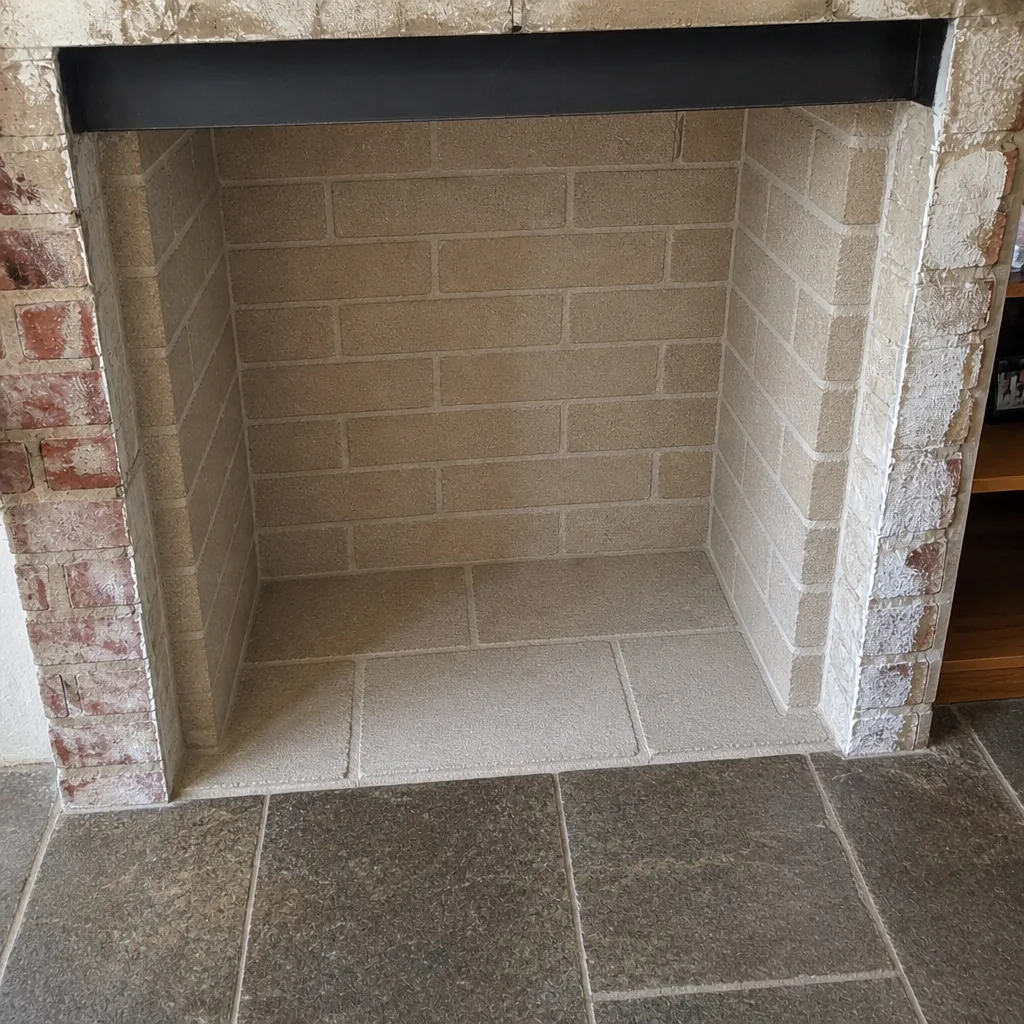
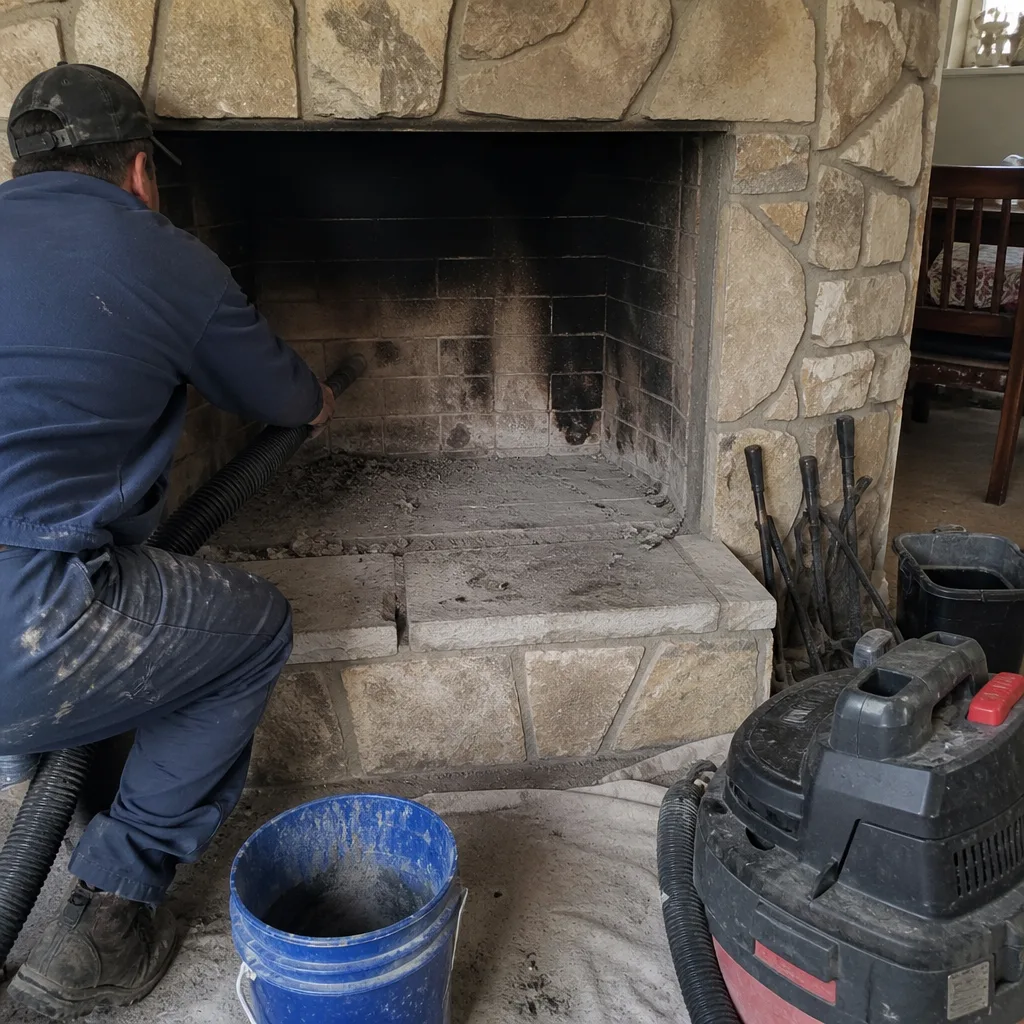
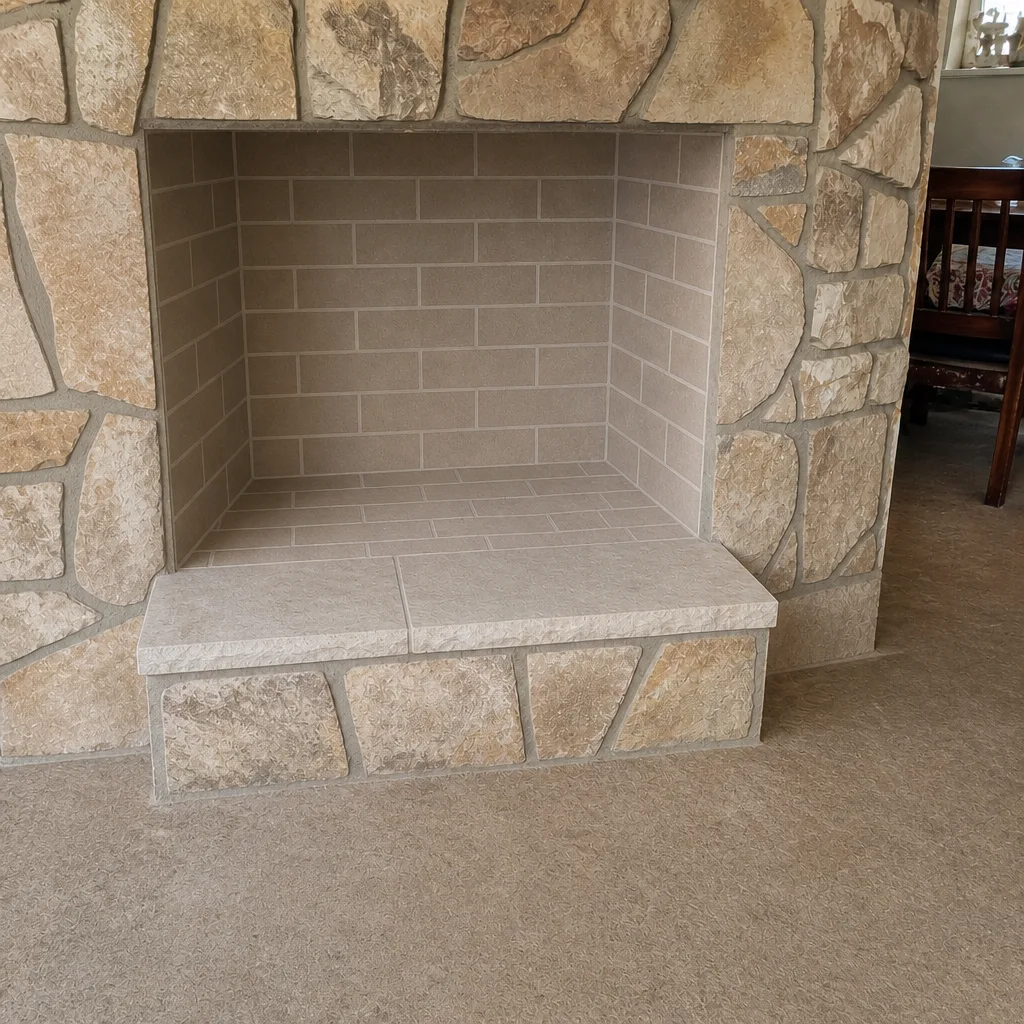
See the difference
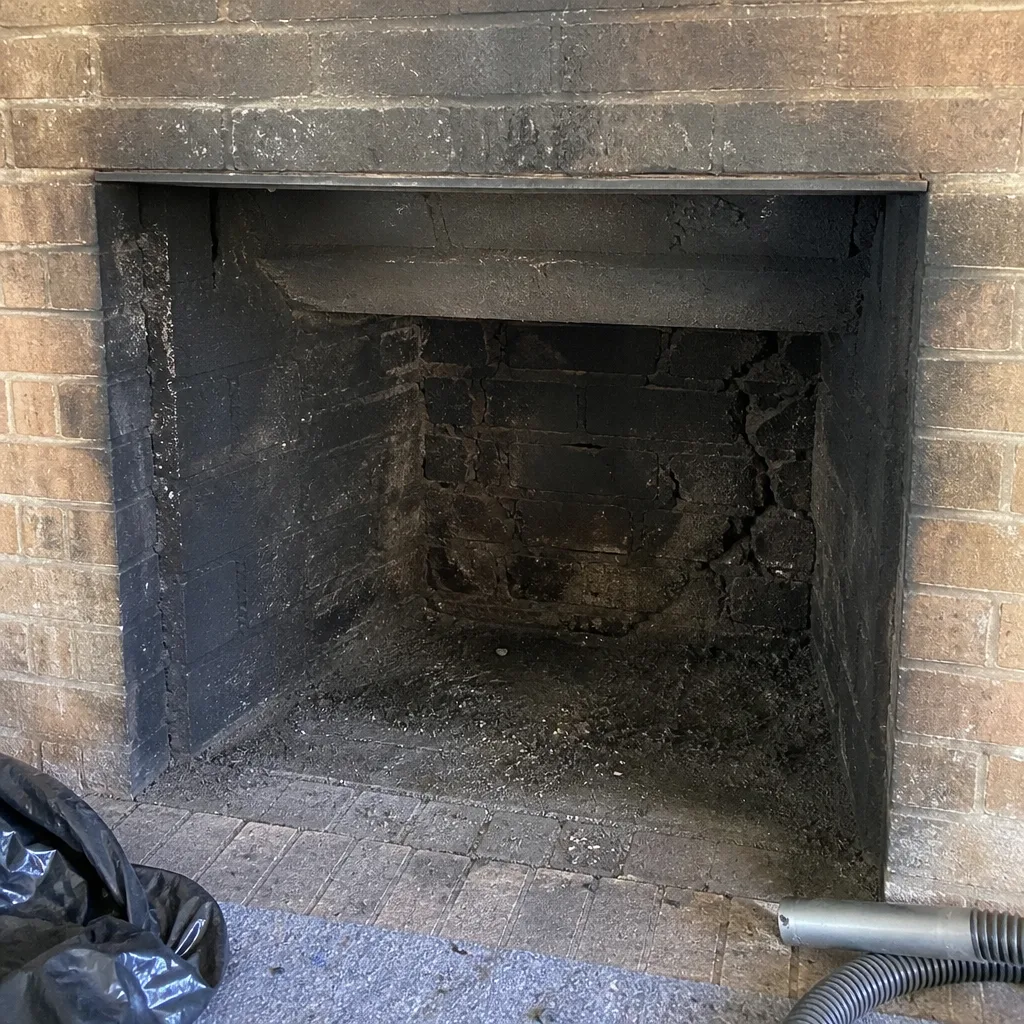 Before
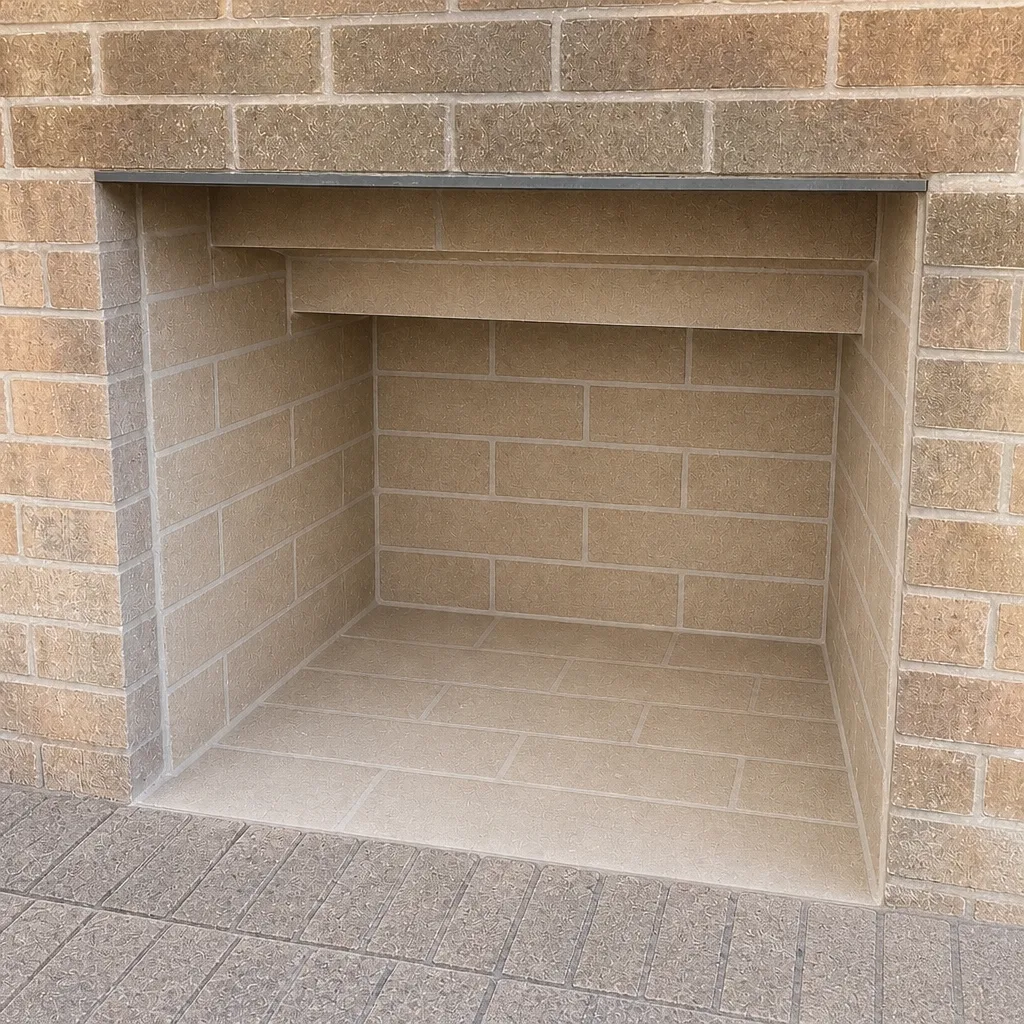 After
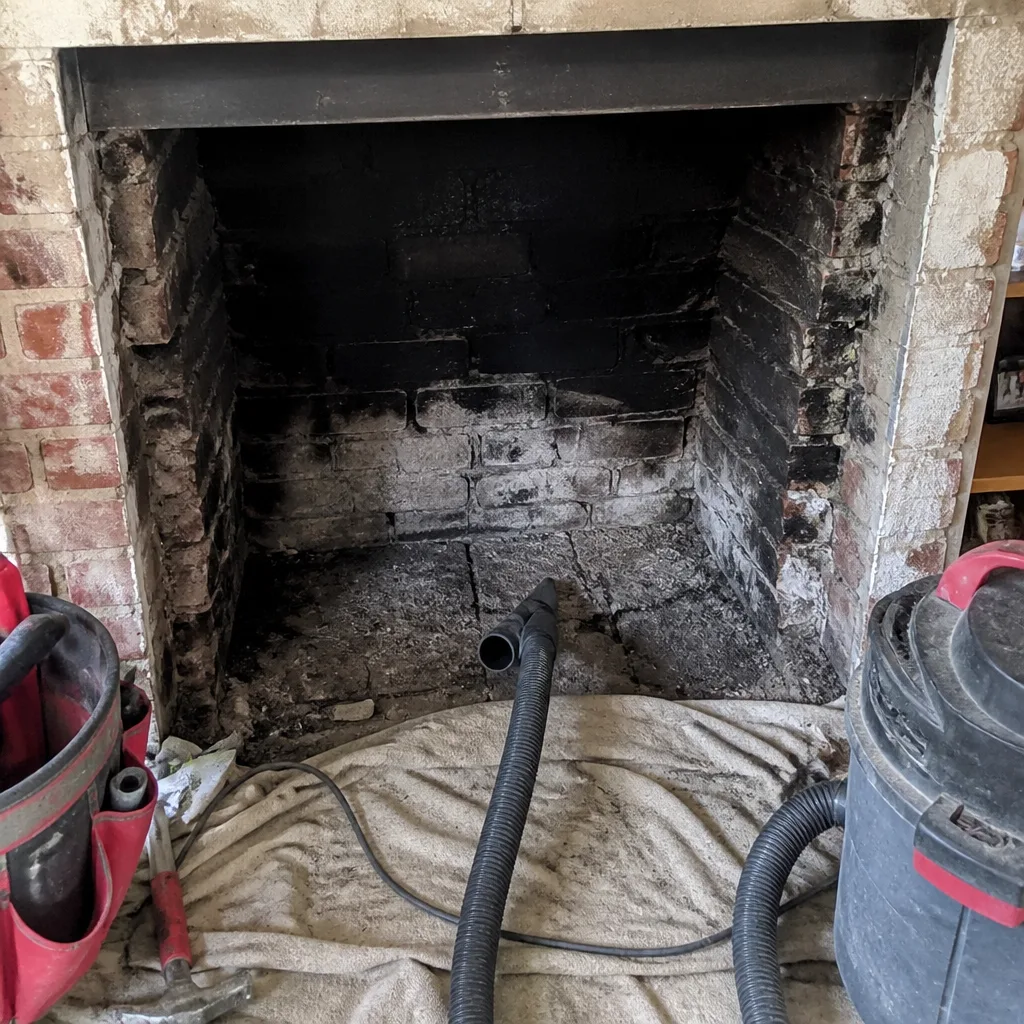 Before
 After
 Before
 After
When to Call a Professional
Call a professional chimney sweep in Wichita Falls when any of the following is true:
- You haven’t had a professional inspection in the last year and you can’t document the last one.
- Your home is more than one story, or the flue has an offset or a bend.
- You smell creosote in the house, or you notice smoke rolling back into the room when the fireplace is running.
- You see visible cracks, missing mortar, or loose tiles anywhere in the firebox or the visible flue.
- You’ve never had the flue inspected and you don’t know what condition the liner is in.
- You’re buying or selling a home in Wichita Falls and need a documented chimney inspection.
We’re Lionheart Chimney Sweep, and we handle chimney sweeping, chimney repair, and dryer vent cleaning under one roof, which means one call covers your chimney and your dryer vent. Lionheart Chimney Sweep offers free estimates in Wichita Falls – call (855) 705-9859. We answer 24/7. Fast dispatch from 7am to 7pm, Sunday through Friday.
Frequently Asked Questions
You can safely brush your own chimney only if it’s single-story, has a straight flue, has confirmed Stage 1 creosote only, and has a recent professional inspection on file. If any of those conditions is missing, professional cleaning is the safe choice. Most Wichita Falls homes don’t meet all four, so the honest default is to call a sweep. Call (855) 705-9859 for a free estimate.
Most homes that burn wood regularly should be swept once a year, and homes with heavier use or older flues may need it more often. The right interval depends on how much you burn and what the inspection finds. An inspection-first approach sets the schedule based on your actual flue condition rather than a one-size-fits-all rule. Call (855) 705-9859 to book an inspection.
A professional sweep inspects the flue with a camera, evaluates liner condition, assesses the smoke chamber and cap and crown, and documents what was found. DIY brushing removes accessible soot but cannot assess or remove Stage 2 or Stage 3 creosote. The value of a professional sweep is the diagnosis, not just the brushing. Call (855) 705-9859 for an exact quote.
A documented professional maintenance history is stronger evidence of reasonable care than a self-maintained chimney, though policy language varies and we don’t speak for your insurer. Keeping sweep reports gives you a paper trail a DIY schedule doesn’t. If you do brush yourself, keep dated notes of what you did. Call (855) 705-9859 for a professional inspection you can file.
No. Glazed creosote (Stage 3) is bonded to the flue and requires professional tools and, in many cases, chemical treatment. Brushing it can also be dangerous if done without the right equipment. Stage 3 creosote is the most combustible form and the highest fire risk. Call (855) 705-9859 to have it assessed by a trained sweep.
Consumer-grade brushes can scratch or damage a tile liner if used without knowing the liner’s condition. Even a properly sized poly brush only removes light Stage 1 soot. Without a professional confirming the liner is intact first, you’re brushing a flue you don’t actually know the condition of. Call (855) 705-9859 for a liner assessment in Wichita Falls.
The Bottom Line
DIY chimney brushing in Wichita Falls is a real option, but only inside a narrow set of conditions: a single-story home, a straight flue, confirmed Stage 1 creosote, and a recent professional inspection on record. What DIY cannot do is diagnose the flue, remove Stage 2 or Stage 3 creosote, or catch the cracks, blocked caps, and smoke chamber problems that cause fires and carbon monoxide issues. The practical middle path is to keep the firebox clean between visits and let a trained sweep handle the inspection and the parts of the flue you can’t see or reach. That’s the whole case for a professional sweep, and it’s a case about safety, not about selling a cleaning.
Lionheart Chimney Sweep provides chimney sweeping, chimney repair, and dryer vent cleaning for homes across Wichita Falls, using professional-grade materials from Olympia Chimney and Copperfield, and staying within those three service lines so the advice stays honest. Our technicians have up to 15 years of experience, and we repair what we find. Call (855) 705-9859 for a free estimate. We answer 24/7. Fast dispatch from 7am to 7pm, Sunday through Friday.
Written by the team at Lionheart Chimney Sweep.