
Last updated November 14, 2026
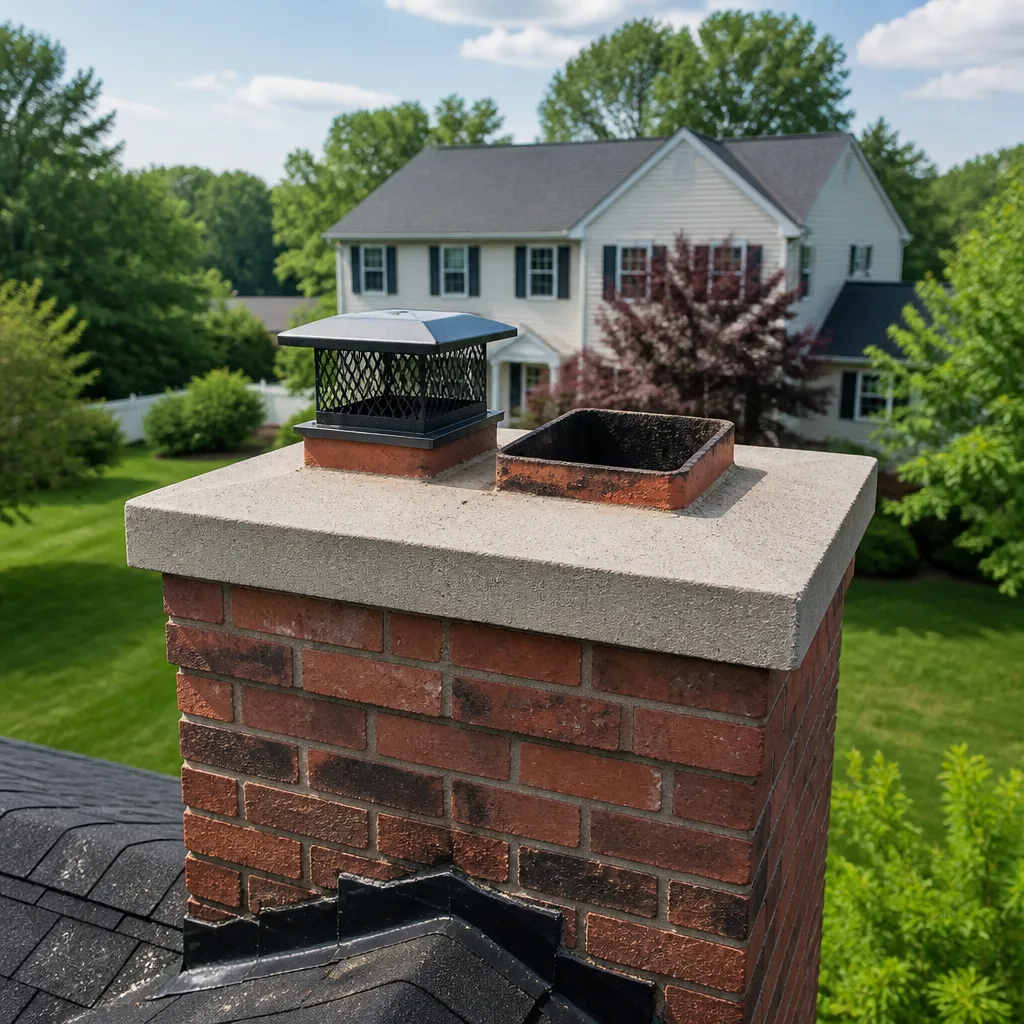 Sweep & inspection
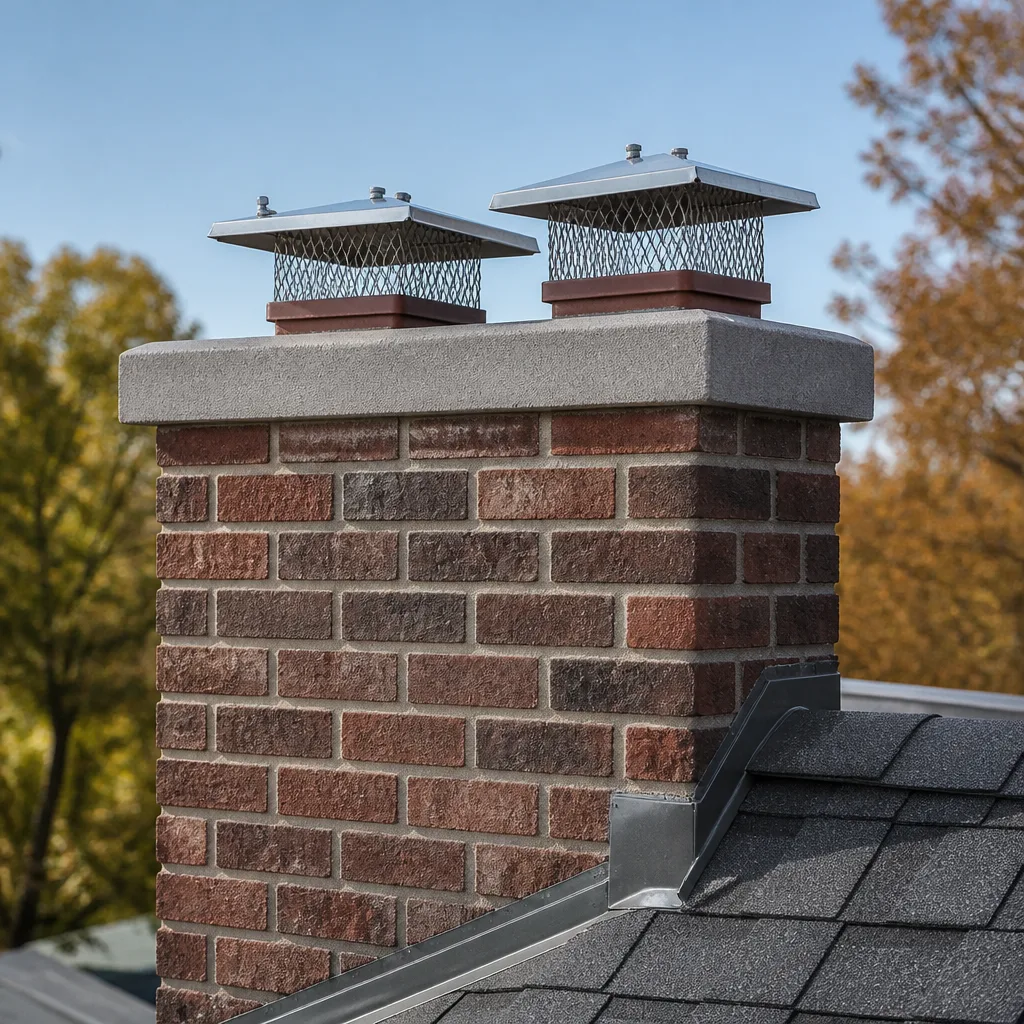 Caps & crowns
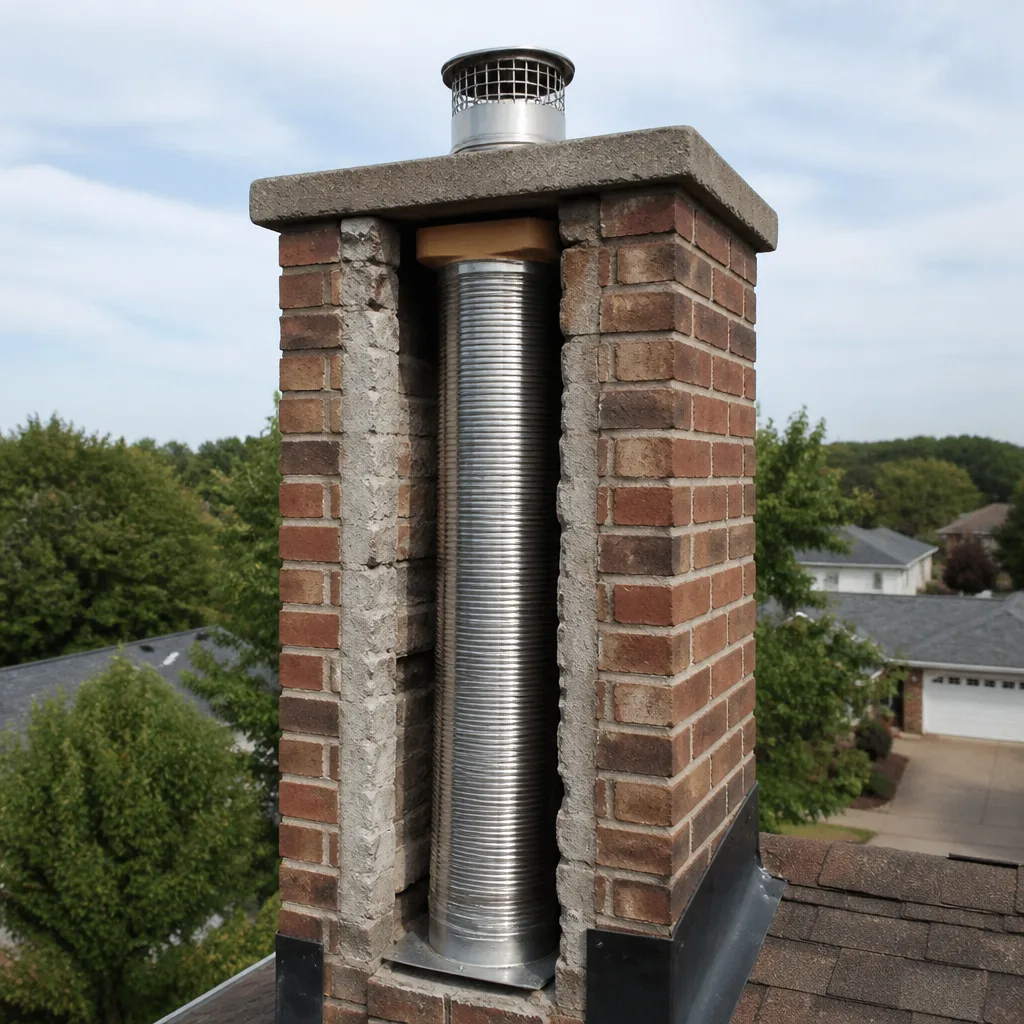 Flue relining
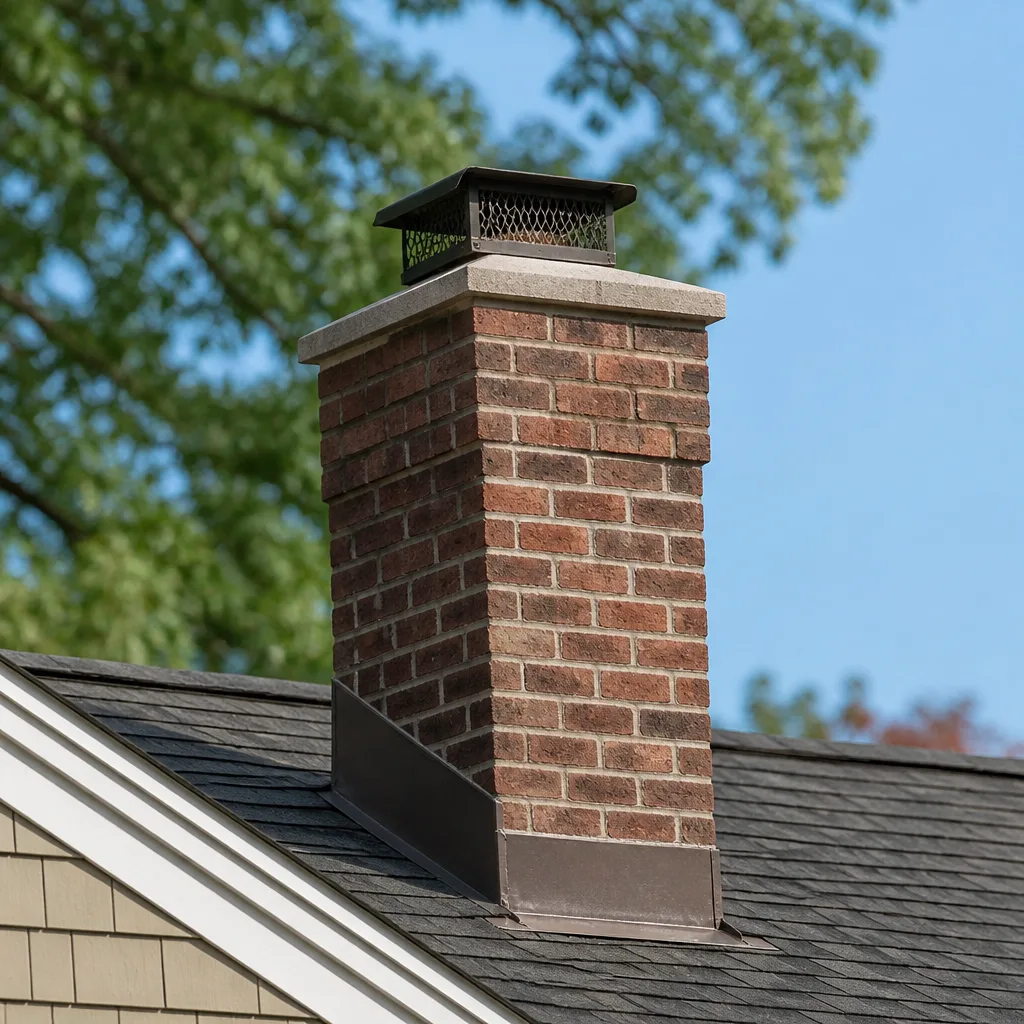 Masonry repair
 Gas fireplace service
Level 1 sweep and inspection to the NFPA 211 annual standard - flue, crown, cap, and flashing checked and photographed
Chimney sweep logs do not sweep chimneys. They loosen some creosote - which then falls where a brush and vacuum still have to collect it.
Chimney Cleaning Cost Breakdown: The Wichita Falls Homeowner’s Reference for 2026
A $79 chimney cleaning and a $299 chimney cleaning can both be labeled “chimney cleaning.” One includes a visual inspection, one brush pass, and no camera. The other includes a Level 1 inspection, full creosote removal, a cap inspection, and a written condition report. The price difference is real. So is the safety difference. In a city where many homes burn wood through the cool months, the range of what gets called a sweep is wider than most homeowners expect. This reference breaks down every cost line in a Wichita Falls chimney job, explains what actually drives the price, and gives you a way to compare quotes by what’s included rather than by the number on the bottom.
Quick Answer
Chimney cleaning in Wichita Falls typically runs $150 to $275 for a standard sweep with a Level 1 inspection, $250 to $450 for a full cleaning that includes creosote removal and a written condition report, and $400 to $700 when a Level 2 camera inspection is added. Repair work like crown patching, cap replacement, liner patching, or firebox repointing is priced separately, and a full liner replacement generally lands in the $3,000 to $8,000 range depending on flue length and material. The written estimate always sets the final price.
Styles & brands we work with
- Sweep & inspection
- Caps & crowns
- Flue relining
- Masonry repair
- Gas fireplace service
Table of Contents
- What do the standard service tiers actually cost in Wichita Falls?
- What drives the price of a chimney cleaning up or down?
- How do creosote stages change the cost?
- What do common chimney repairs cost here?
- How do you compare two quotes fairly?
- What does skipping annual cleaning really cost you?
- What are the three inspection levels, and which one do you need?
- Why should the dryer vent be on the same invoice?
What do the standard service tiers actually cost in Wichita Falls?
Most Wichita Falls homeowners fall into one of three service tiers. Knowing which one a quote covers is the first step toward an honest comparison.
Tier 1: Basic sweep with a visual check
- Typical range: $150 to $275
- What’s included: Brush sweep of an accessible flue, a visual look at the firebox and damper, a check of the cap from the ground.
- What’s often missing: No camera, no written report, and no real look at the flue interior above the smoke chamber.
Tier 2: Full cleaning with a written condition report
- Typical range: $250 to $450
- What’s included: Full creosote removal, a Level 1 inspection (readable flue, firebox, damper, cap), a written summary of what we found, and a photo of anything that needs attention.
- Best for: The annual sweep most wood-burning homes in Wichita Falls should get before the heating season starts.
Tier 3: Cleaning plus Level 2 camera inspection
- Typical range: $400 to $700
- What’s included: Everything in Tier 2 plus a closed-circuit camera run through the full flue, video of the liner condition, and documentation of any gaps, cracks, or offset tiles.
- Best for: Homes that have never had a camera inspection, homes with a known chimney fire history, and homes where a liner replacement is being considered.
These are estimates for the Wichita Falls market in 2026, not fixed prices. Flue height, roof access, and the condition of what’s inside the chimney move the final number, and the estimate we put in writing is what you actually pay. When you book a chimney sweep, ask which tier the price covers before you compare it to anything else.
What drives the price of a chimney cleaning up or down?
Four things usually explain why one quote is $150 and another is $400. None of them are arbitrary, and none of them are a reason to argue with the number. They’re a reason to ask what’s behind it.
- Flue height and roof access. A single-story ranch with a straight flue from the firebox to the cap is quick work. A two-story home with a steep pitch, a chimney on the back slope, or a flue that requires a roof setup beyond a standard ladder placement takes longer and needs more than one technician on the job.
- Creosote stage. Light, fluffy Stage 1 creosote brushes out easily. Glazed Stage 3 creosote is hard, tar-like, and needs chemical treatment and mechanical removal before a brush even touches it. The price difference between a Stage 1 and Stage 3 job is significant, and it’s the single most common reason a quote changes once the technician sees the flue.
- Access difficulty. A clean-out door that opens easily is a different job from one that’s been painted shut or blocked by a woodpile. Damper hardware that’s seized, a firebox insert that has to come out and go back, or a chimney that needs the cap off for the sweep all add time.
- Liner condition. If the flue tiles are cracked, offset, or missing mortar, the sweep itself is short but the conversation is longer. A deteriorated tile liner means a camera run and a written recommendation, and whether that recommendation becomes part of the invoice is up to you.
Wichita Falls weather shapes how creosote forms here. Long mild stretches followed by cold nights mean many homeowners burn hot for a few days and then let the fire sit, and that pattern is what builds glazed creosote faster than steady burning would. A blocked or cracked flue doesn’t warn you before it becomes dangerous, which is why we treat the inspection as part of the price rather than an optional add-on.
How do creosote stages change the cost?
Creosote is the reason chimney cleaning exists. It’s the tar-like residue left behind when wood smoke cools against the flue walls, and it comes in three stages that behave very differently on a brush.
- Stage 1 creosote: Soot and flaky, brittle deposits. This is what a routine annual sweep handles. Standard cleaning price applies.
- Stage 2 creosote: Hard, crusty, and stuck to the flue wall. It brushes out with effort and sometimes needs more than one pass. Expect the middle of the range and possibly a second trip.
- Stage 3 creosote: Glazed, tar-like, and fuel-rich. It does not brush out. Removal requires chemical treatment followed by mechanical scraping, and in some cases it means the liner has to be replaced rather than cleaned. This is the stage where a cleaning bill can climb into the repair category.
Two habits keep creosote in Stage 1 or 2 in Wichita Falls homes: burning seasoned wood (less than 20% moisture, which you can check with a cheap moisture meter) and not running the fire on low draft for long stretches. A smoldering fire is a creosote factory. A hot fire with good draft burns cleaner.
When we find Stage 3 creosote, we take photos. We don’t ask you to take our word for it, and we don’t recommend a liner replacement on a verbal report. You see the camera footage, you see the glazing, and you decide.
What do common chimney repairs cost here?
Repair pricing in Wichita Falls is driven by North Texas labor rates, the material tier the repair requires, and whether the job can be done from the roof or needs interior access. Here are realistic 2026 benchmarks:
- Crown repair (patching cracks, resealing): $300 to $650. The crown is the concrete cap on top of the chimney that sheds water. A cracked crown lets water into the masonry, and that water does more damage from the inside than the crack suggests.
- Crown rebuild: $650 to $1,200. When the crown is broken up rather than cracked, it’s rebuilt with a proper overhang and bond break so it can move without cracking again.
- Cap replacement: $200 to $550 installed. A missing or rusted cap lets rain, birds, and debris into the flue. This is one of the cheapest repairs with the highest return on a chimney’s lifespan.
- Firebox repointing: $400 to $900. The firebox takes more heat than any other part of the chimney, and the mortar joints break down first. Repointing restores the joint and keeps the firebox structurally sound.
- Liner patching: $350 to $800. Only feasible when the damage is localized. A camera run determines whether patching is legitimate or whether it’s cosmetic work over a bigger problem.
- Full liner replacement: $3,000 to $8,000. Depends on flue length, whether the flue is straight or offset, and the liner material. A flexible stainless liner sized to the appliance usually lands in the lower half of that range; a job with offsets, a damaged original liner to remove, or a wood stove flue that needs a full system rebuild can reach the upper end.
We repair what we find, in-house, on the same visit in most cases. That means the technician who inspects your flue is the technician who does the work, rather than a subcontractor you meet two weeks later. For liner work we use DuraFlex flexible stainless systems and for deteriorated tile liners we use HeatShield resurfacing, both sourced from professional trade suppliers like Olympia Chimney. Those aren’t hardware-store materials, and the price reflects it. If you’re weighing a repair against a replacement, our guide to Wichita Falls chimney conditions walks through which homes tend to need which.
How do you compare two quotes fairly?
Comparing a $150 quote to a $400 quote is only useful if you know what tasks each one covers. The fair way to compare is a cost-per-task breakdown. Ask every contractor to state, in writing, whether each of the following is included or extra:
- Level 1 inspection (readable flue, firebox, damper, cap)
- Closed-circuit camera inspection (Level 2)
- Full creosote removal, including Stage 2 and Stage 3 treatment if present
- Cap and crown condition assessment
- Photo documentation of anything needing repair
- Written condition report you take home
- Clean-up and drop-cloth protection of the interior
A quote that covers items 1, 3, 4, and 7 but not 2, 5, or 6 is a legitimate basic sweep. A quote that covers all seven is the full-service tier. Both are real products. The mistake is buying the cheap one expecting the expensive one’s documentation.
The second comparison is on the repair side. Ask whether the company performs repairs in-house or subcontracts them. A cleaning company that hands the liner work to someone else adds a layer between you and the diagnosis, and it’s where “we found something” can turn into an invoice you can’t verify. We do the diagnosis and the repair with the same technician, using the same professional-grade materials either way.
One more check: ask what happens if the sweep finds nothing wrong. A company that recommends work on every visit is telling you something about its business model. A company that says “your flue is fine, we’ll see you next year” is telling you something else.
What does skipping annual cleaning really cost you?
The arithmetic is simpler than most homeowners expect. An annual cleaning in Wichita Falls runs $150 to $275 at the basic tier, or $250 to $450 at the full tier with a written report. Two consecutive years of Stage 1 buildup is manageable. Five years of buildup is where glazed creosote forms, and glazed creosote is the fuel that turns a chimney fire from a chimney that survives into a chimney that needs a liner.
A liner replacement runs $3,000 to $8,000. That’s the number the annual sweep is protecting you against, and it’s a number that stays low year after year for homes that keep up with cleaning. There’s no rebate or insurance shortcut that changes the math. The cheapest liner is the one you didn’t have to replace.
The risk isn’t only financial. A chimney fire can spread into the structure around the flue. Carbon monoxide can back up into the home when a flue is blocked. Both are real reasons the annual sweep is a safety task and not a cosmetic one, and both are things we’d rather find on a routine visit than on a call about a smell coming from the fireplace.
What are the three inspection levels, and which one do you need?
The three-level inspection framework comes from the chimney trade, and it’s the clearest way to know what a quote is really buying.
- Level 1: A visual inspection of readily accessible parts of the chimney and venting, without special tools or ladders beyond what the technician can safely reach. This is the default on an annual sweep when nothing has changed. It’s included in a standard cleaning.
- Level 2: Adds a camera run through the full flue, plus inspection of accessible attics, crawl spaces, and the appliance connection. Required when a chimney has had a fire, when a new appliance is being connected, when the home changes hands, or when the flue has never been camera-inspected. This is the tier where the price climbs into the $400 to $700 range.
- Level 3: Adds opening walls or removing parts of the chimney to inspect concealed areas. Rare, most often needed when a Level 2 finds a defect that can’t be assessed from inside the flue.
If you’ve just bought a home in Wichita Falls and don’t know the chimney’s history, a Level 2 is the honest starting point. If you’ve owned the home for years and have kept up on annual sweeps with no trouble, a Level 1 is usually enough. Either way, ask which level a quote covers. “Inspection included” without a level is not an inspection commitment.
Why should the dryer vent be on the same invoice?
Chimney cleaning and dryer vent cleaning are both fire-safety tasks, and they’re often done by the same technician on the same visit. A clogged dryer vent is the leading appliance-related cause of house fires tracked by the U.S. Fire Administration, and most chimney-only companies don’t touch it. We do, because a lint-blocked vent and a creosote-blocked flue are the same failure in two places.
Dryer vent cleaning in Wichita Falls typically runs $100 to $250 depending on vent length, the number of elbows, and whether the run goes through an exterior wall or an interior chase. If you’re scheduling a dryer vent cleaning anyway, do it on the same visit as the chimney. One call, one trip, and both fire-safety items are handled together.
Common Mistakes to Avoid
- Comparing prices without comparing tasks. A $79 cleaning and a $299 cleaning are rarely the same job. Ask for the task list before you compare the number. If a quote is half the others, it’s usually missing the inspection, the camera, or the written report.
- Skipping the camera because the price is lower. A visual inspection can see the top of the flue from the roof and the bottom from the firebox. It cannot see the middle. Camera inspection costs extra and finds the offsets and cracks a brush pass never will.
- Firing up the fireplace in October with last winter’s creosote still in the flue. The first fire of the season is the one that heats a crack in a glazed flue. Get the sweep done before the burning season starts, not after.
- Burning unseasoned wood to save money. Wet wood smolders, and smoldering builds glazed creosote. A moisture meter costs less than a single Stage 3 removal.
- Trusting a crack in the crown to stay a cosmetic issue. Water works its way into the masonry and breaks it down from inside. A $300 to $650 crown patch today is a fraction of a masonry repair later.
- Leaving the chimney cap off after a roof repair. Caps go missing all the time when roofers are on the house. A $200 to $550 replacement keeps water, birds, and debris out of the flue.
- Assuming a gas insert doesn’t need sweeping. Gas inserts still vent, and a vent that’s blocked or deteriorated is still a carbon monoxide risk. The cleaning schedule is lighter, not zero.
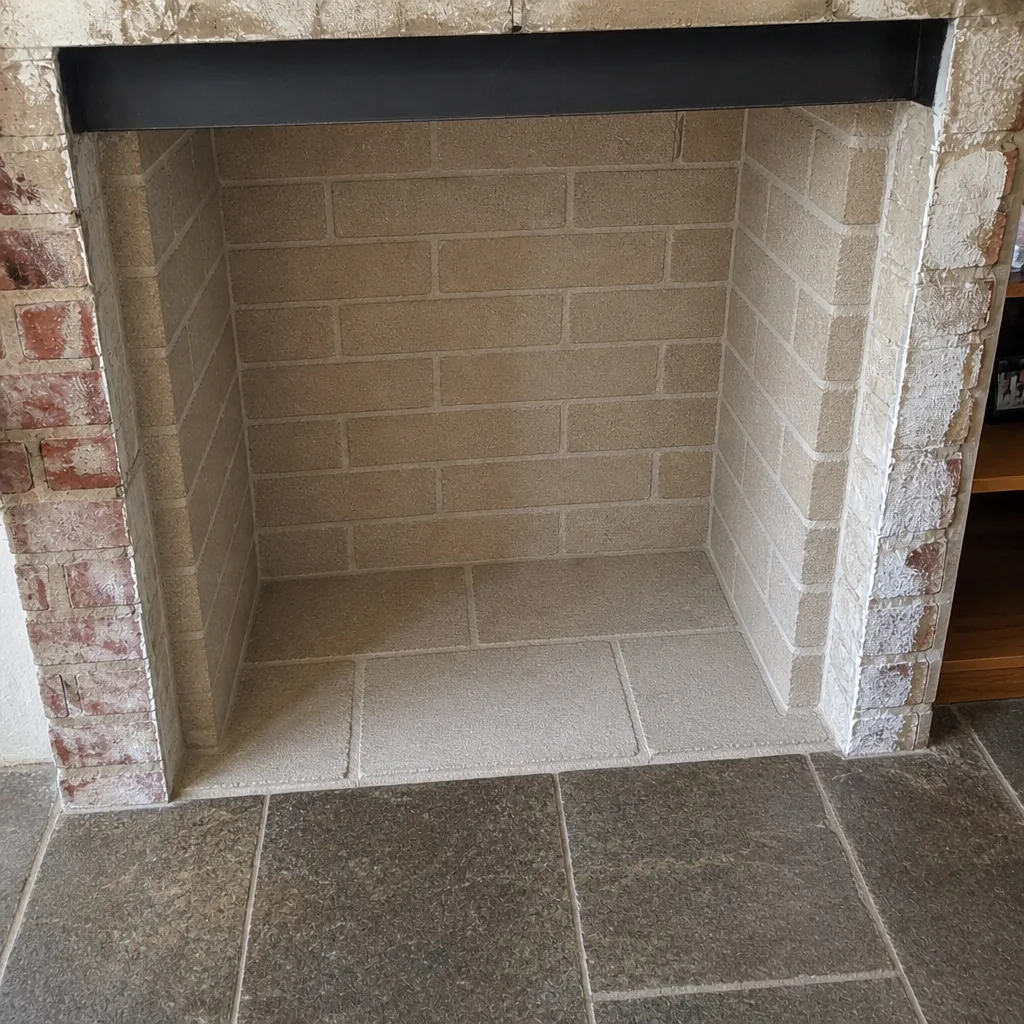
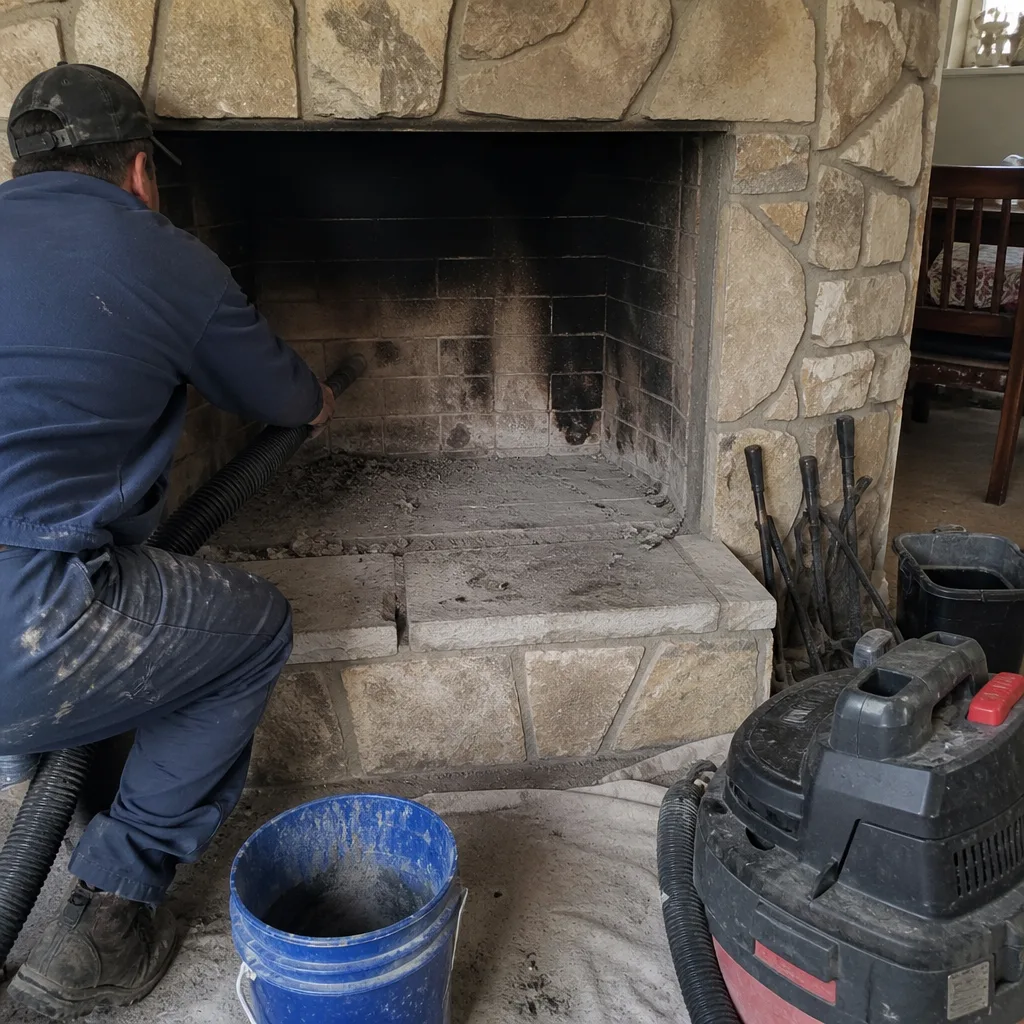
See the difference
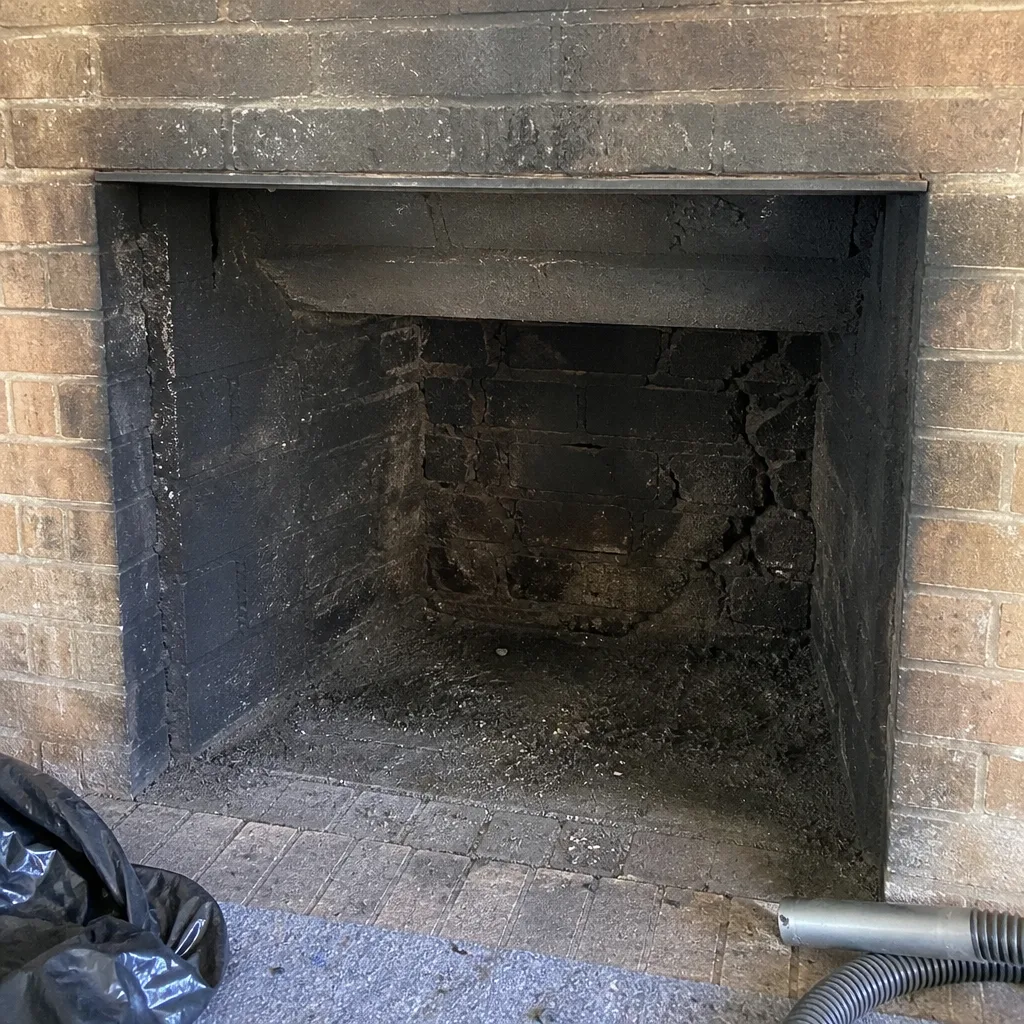 Before
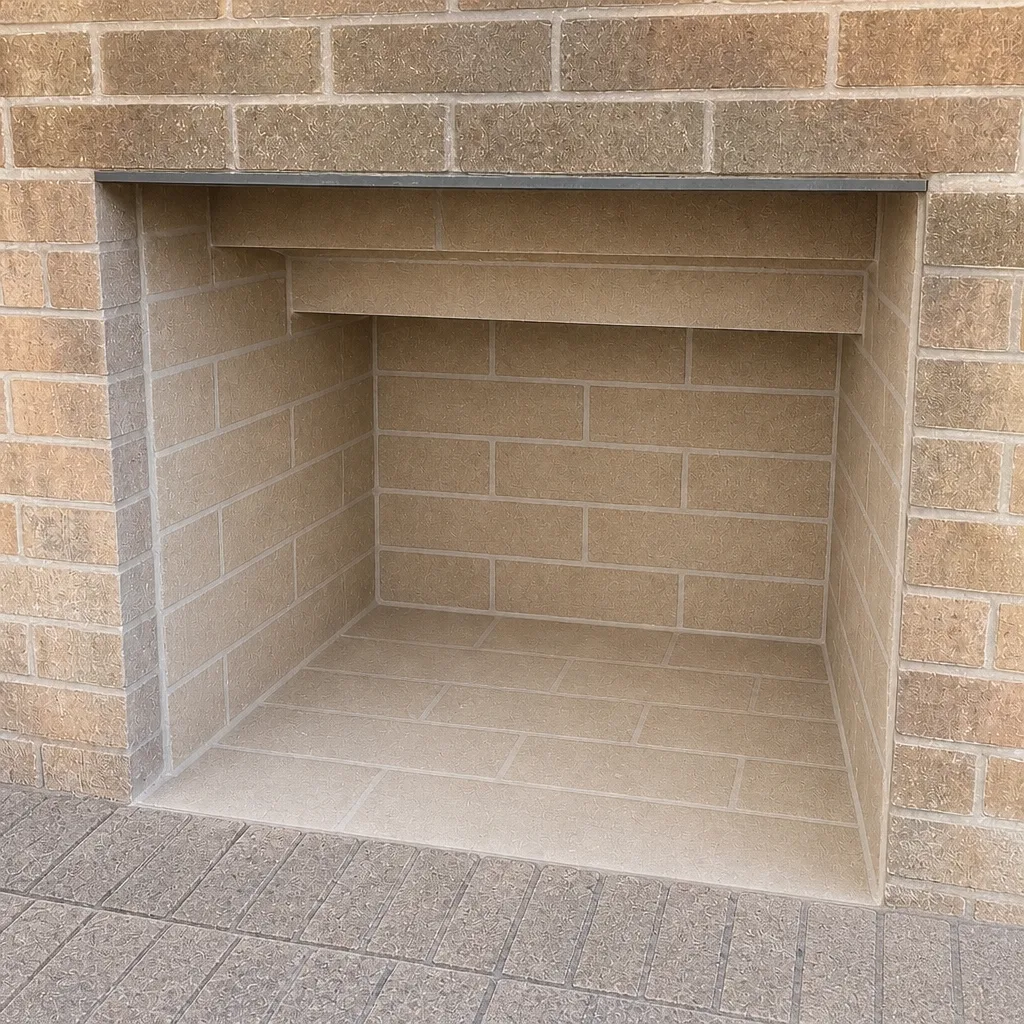 After
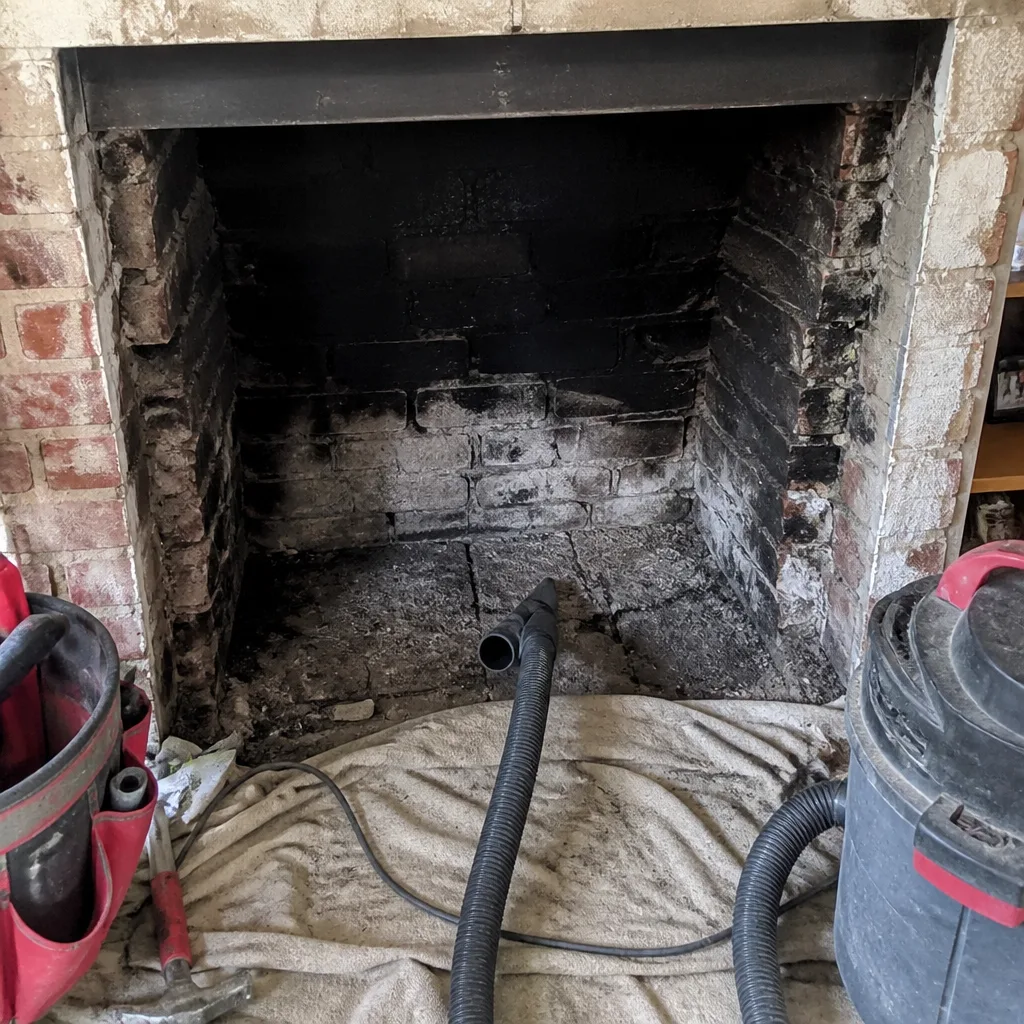 Before
 After
 Before
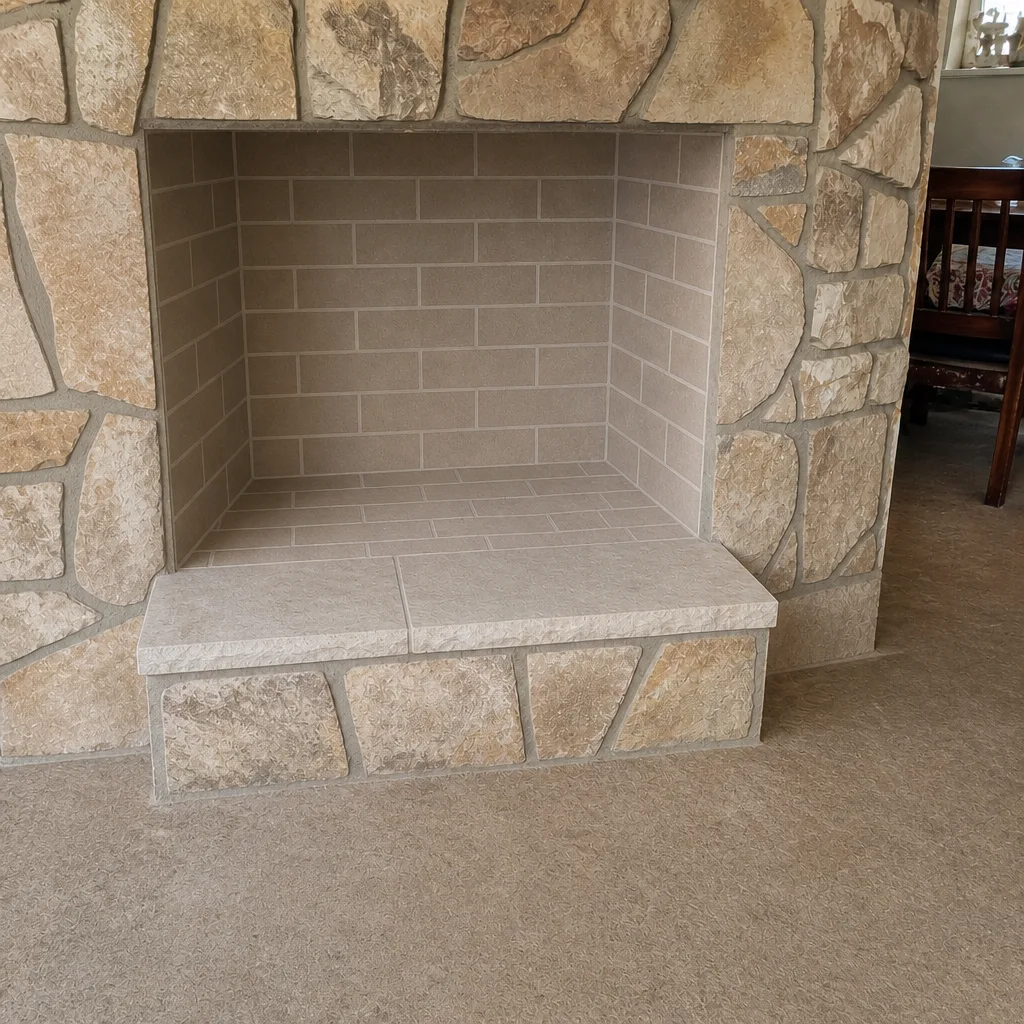 After
When to Call a Professional
Call for a professional inspection if the fire burns poorly, if smoke rolls into the room when you open the damper, if the firebox smells like tar, if you’ve never had the chimney camera-inspected, or if you’ve just moved into a home in Wichita Falls and don’t know its burning history. Call immediately if you hear a low roaring sound from the flue during a fire – that’s the sound of a chimney fire, and it’s a reason to close the damper, evacuate, and dial 911, not a reason to keep burning. Call before the burning season starts to schedule the standard annual sweep. Lionheart Chimney Sweep offers free estimates in Wichita Falls – call (855) 705-9859. Our technicians have up to 15 years of experience, and our standards call for showing you the evidence before recommending any repair.
Frequently Asked Questions
A standard chimney sweep in Wichita Falls typically costs $150 to $275, and a full cleaning with a Level 1 inspection and a written condition report runs $250 to $450. Adding a Level 2 camera inspection brings the total to $400 to $700. The written estimate sets the final price, and the estimate is free. Call (855) 705-9859 for an exact quote.
You need a new liner when there’s evidence you can see: cracked or offset tiles, missing mortar joints, a flue that’s too wide for the appliance, or glazed creosote that can’t be removed by cleaning. Anything short of that, a cleaning or a patch is usually the right call, and we’ll tell you so. We don’t recommend liner work without camera footage and a written report. Call (855) 705-9859 for a free estimate.
Once a year for a home that burns wood regularly, and once every two to three years for a home with a gas insert or a fireplace that gets occasional use. The right frequency comes down to how much you burn, how seasoned your wood is, and how the flue looks at the last inspection. A yearly sweep keeps you ahead of glazed creosote, which is the stage that gets expensive. Call (855) 705-9859 to book a sweep.
One skipped year is usually fine. Three or four years of skipped sweeps is where Stage 1 creosote becomes Stage 3, and that’s the stage that can force a liner replacement instead of a cleaning. The risk is a chimney fire or carbon monoxide backing into the home, not just a dirty flue. Call (855) 705-9859 and we’ll tell you honestly whether your chimney can safely wait.
No. The estimate is free, and the price for the work is set per job by the written estimate. We don’t add a trip charge on top of the estimate. Call (855) 705-9859 and describe what you’re seeing – estimates are free.
Yes. We do chimney sweeping, chimney repair, and dryer vent cleaning as three service lines under one company, and a single visit can cover both fire-safety items. That keeps the dryer vent from being the thing everyone forgets. Call (855) 705-9859 and ask for both to be booked together.
The Bottom Line
Chimney cleaning prices in Wichita Falls range from about $150 for a basic sweep to $700 for a full cleaning with a Level 2 camera inspection and a written report. The number itself tells you less than the task list behind it. Compare quotes by what they include, ask which inspection level is covered, and treat the annual sweep as the $200 line item protecting you against a $3,000 to $8,000 liner replacement. Repairs like crown patching, cap replacement, and firebox repointing are priced separately but done by the same technician who cleans the flue. The camera and the photo report are how you know a repair is real rather than assumed. Lionheart Chimney Sweep covers chimney sweeping, chimney repair, and dryer vent cleaning as three service lines under one company, using professional-grade materials like DuraFlex and HeatShield. Call (855) 705-9859 for your free estimate. We answer 24/7. Fast dispatch from 7am to 7pm, Sunday through Friday. Our technicians have up to 15 years of experience – and when a chimney can safely wait another season, we’re going to tell you so. This cost breakdown is part of the Lionheart Chimney Sweep homeowner reference for Wichita Falls.
Written by the team at Lionheart Chimney Sweep.