
Last updated November 14, 2026
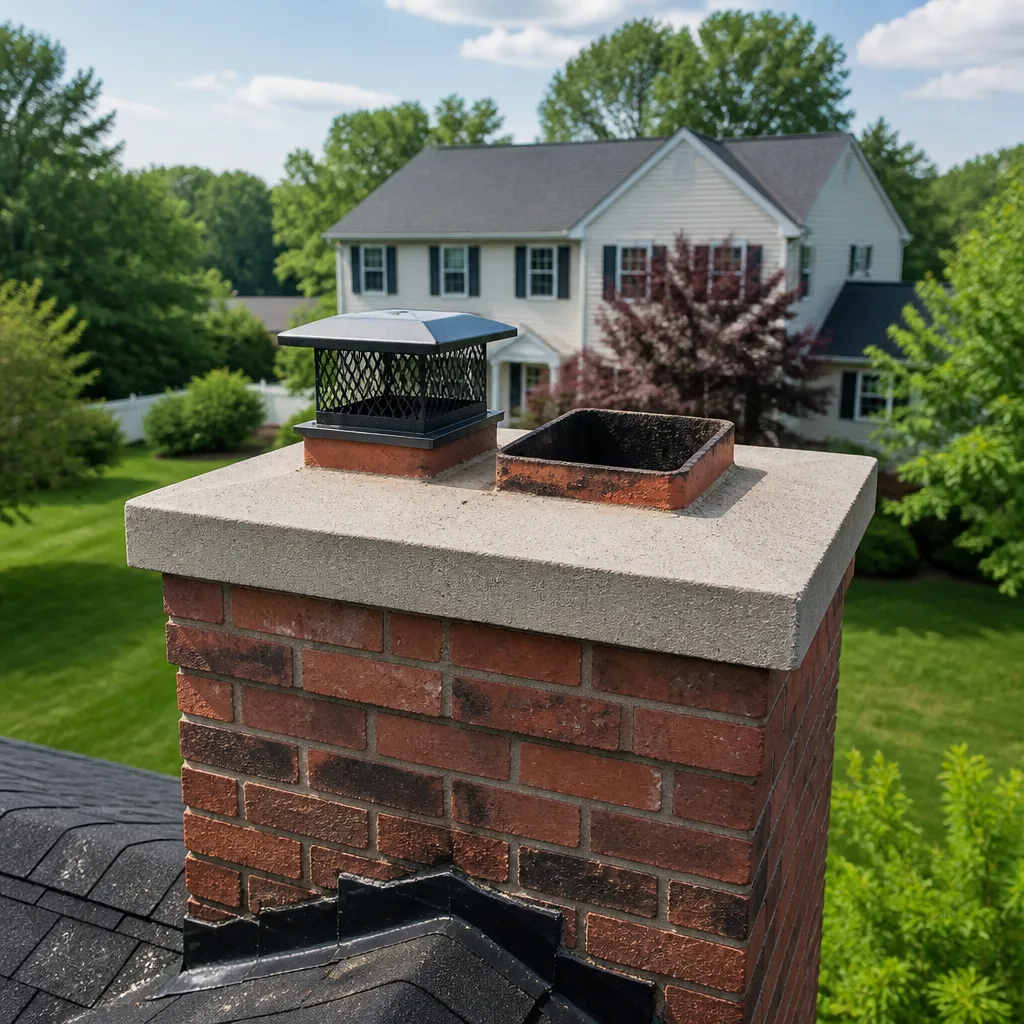 Sweep & inspection
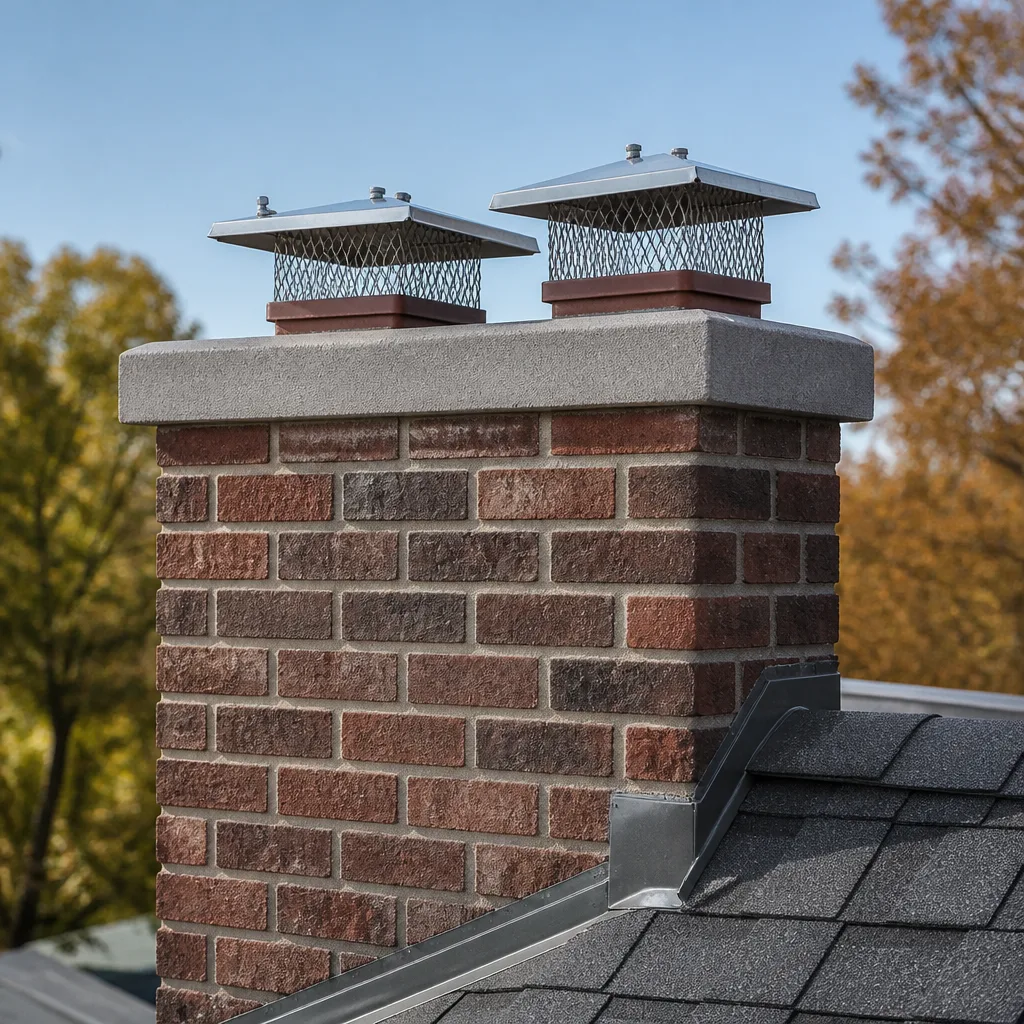 Caps & crowns
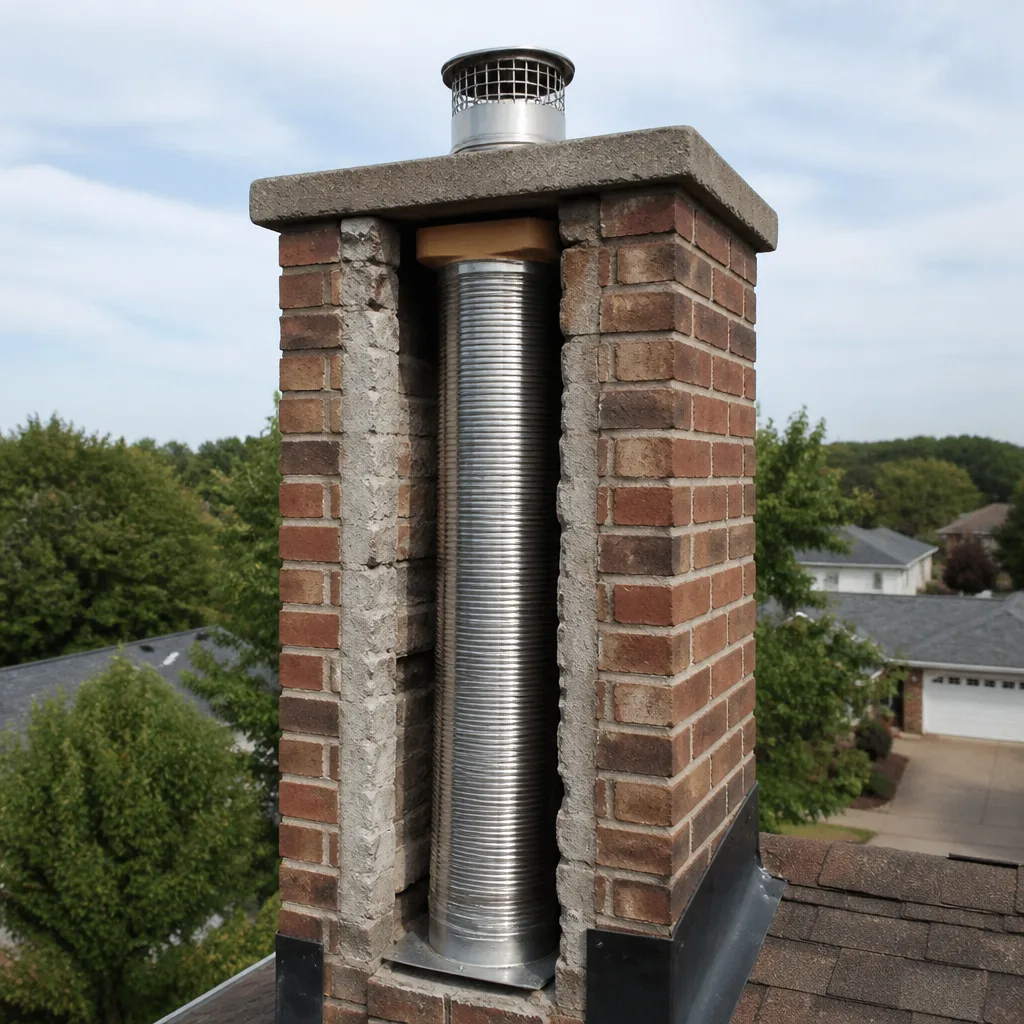 Flue relining
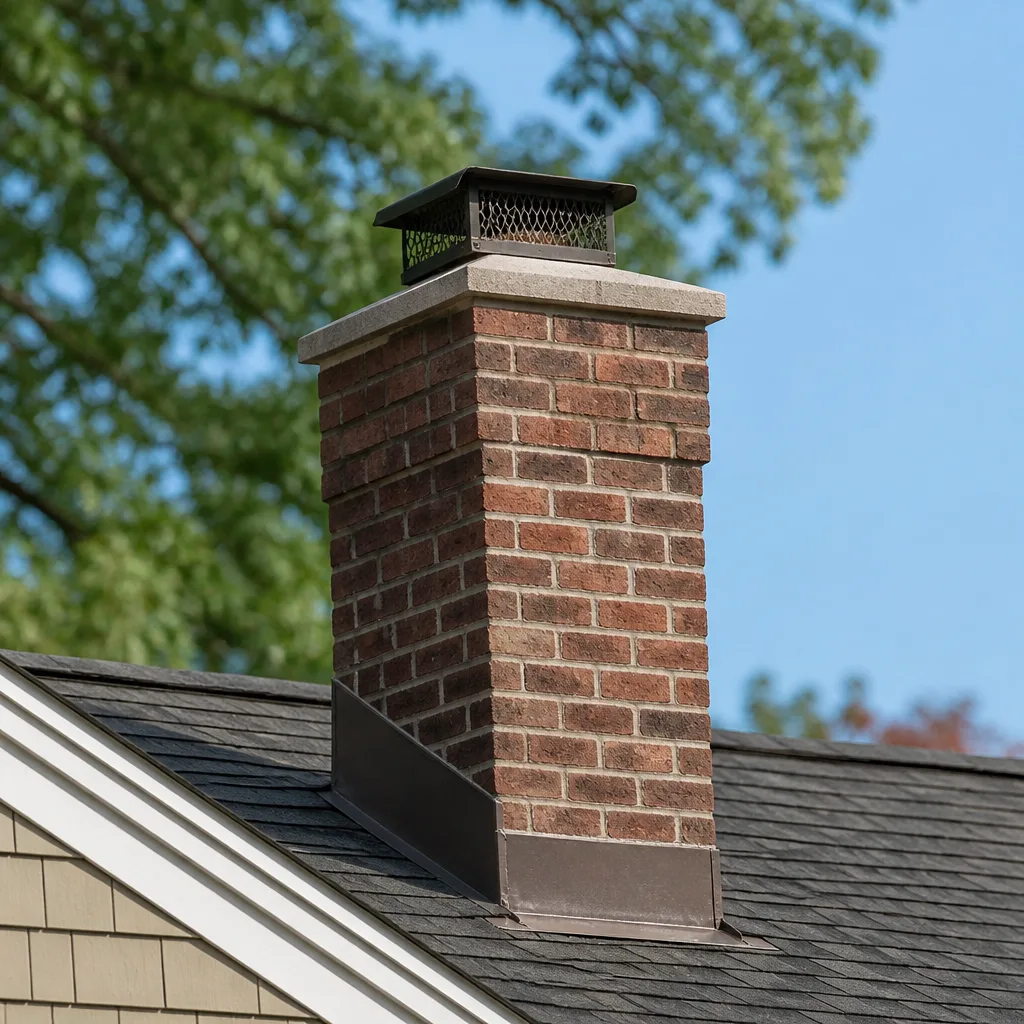 Masonry repair
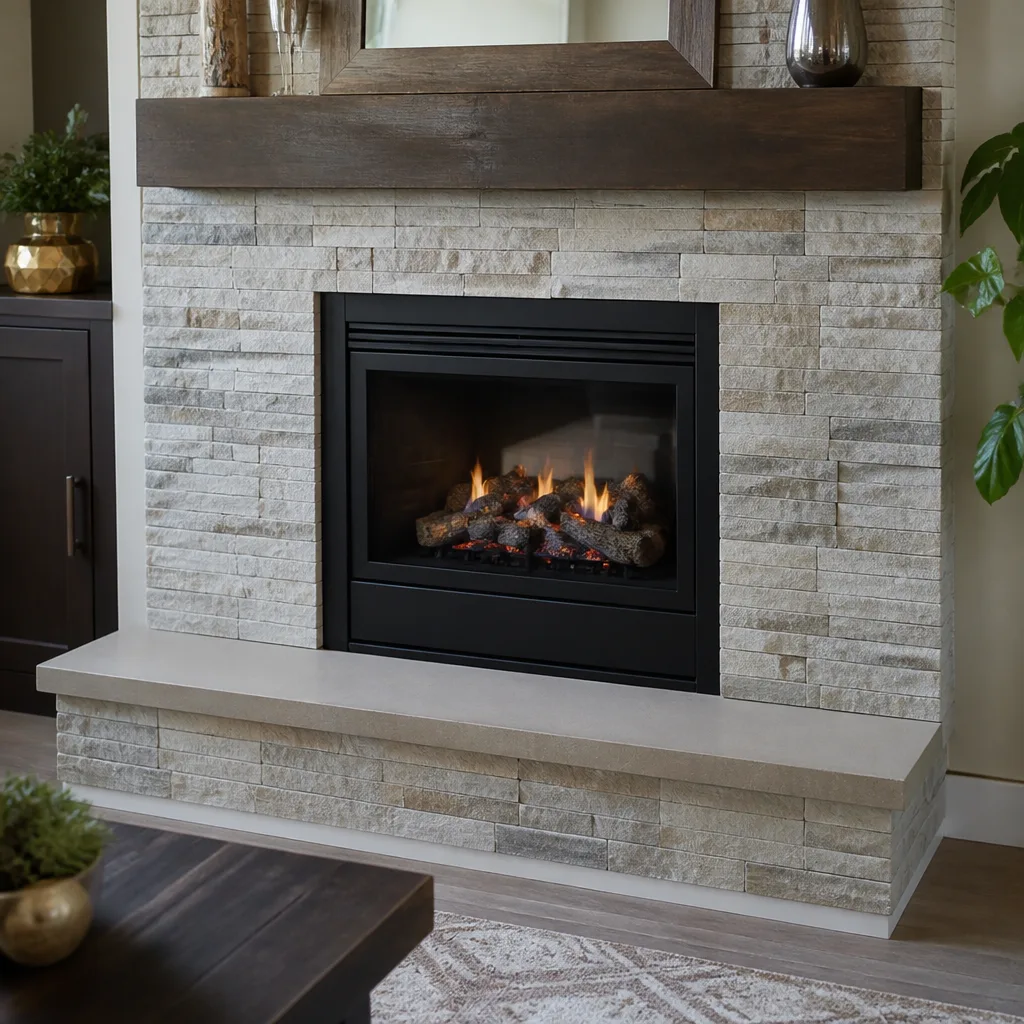 Gas fireplace service
Level 1 sweep and inspection to the NFPA 211 annual standard - flue, crown, cap, and flashing checked and photographed
Chimney sweep logs do not sweep chimneys. They loosen some creosote - which then falls where a brush and vacuum still have to collect it.
Chimney Cleaning Permits, Codes & Inspections in Wichita Falls, TX: What You Need to Know
A chimney sweep finds a cracked flue liner, quotes a replacement, and completes the work in a day. No permit pulled. That liner is now a structural change to a fire-containment system with no city inspection on record. If a fire occurs, your insurer will find that out. The confusing part is that cleaning a chimney in Wichita Falls needs no permit at all, so homeowners assume the repair work that follows doesn’t either. It often does. This guide walks through where the permit line actually sits, how NFPA 211 fits with Texas residential code, what a code-compliant job looks like on paper, and what to ask before a contractor lifts a tool.
Quick Answer
Routine chimney cleaning in Wichita Falls is maintenance and does not require a City of Wichita Falls building permit. Structural work on the chimney – a full liner replacement, a crown rebuild, firebox reconstruction, or changes to the chimney’s footprint or height – typically does trigger a permit and inspection, and the safest path is to confirm the specific scope with the City’s building department before work starts. A code-compliant job leaves paperwork: a permit record where one was required, materials documentation, and an inspection report you keep. Unpermitted structural work can surface during a home inspection or an insurance claim, and the cost to correct it later usually exceeds doing it right the first time.
Styles & brands we work with
- Sweep & inspection
- Caps & crowns
- Flue relining
- Masonry repair
- Gas fireplace service
Table of Contents
- Maintenance vs. Structural Alteration in Wichita Falls
- When Does a Chimney Repair Require a Permit in Wichita Falls?
- How NFPA 211 Interacts With Texas Residential Code
- What a Code-Compliant Chimney Service Looks Like on Paper
- What to Ask Your Contractor About Permits Before Work Begins
- How Unpermitted Chimney Work Surfaces During a Home Inspection
- Permits, Insurance Claims, and the Sale of Your Home
- Common Misconceptions About Chimney Cleanings in Wichita Falls
- Common Mistakes to Avoid
- When to Call a Professional
Maintenance vs. Structural Alteration in Wichita Falls
The single most useful distinction in this whole subject is between maintenance and structural alteration. Wichita Falls and Wichita County treat them very differently, and the line is not always obvious on a quote.
Maintenance is work that returns the chimney to its existing design without changing it. That includes:
- Sweeping soot and creosote from the flue
- Removing a bird nest, leaves, or debris from the smoke chamber
- Inspecting the flue, firebox, damper, and cap
- Replacing a spark-arresting cap with a like-for-like unit
- Sealing minor cracks at the crown with a flexible sealant that doesn’t restructure it
- Rotating or reinstalling the existing damper
None of these require a permit because none change the chimney’s structural character.
Structural alteration is any work that changes the chimney’s design, dimensions, or materials in a way that affects its role as a fire-containment system. The clearest examples:
- Relining the entire flue with a new stainless liner (DuraFlex or equivalent) because the original clay tile has failed
- Rebuilding or replacing a chimney crown
- Reconstructing the firebox with new refractory masonry
- Raising the chimney height
- Removing a chimney or capping it for demolition
- Converting a wood-burning fireplace to gas when the flue must be resized
Here’s the trap. A sweep who replaces a clay tile liner with a stainless one often describes it as a “repair” or even a “cleaning up.” It isn’t. In Wichita Falls, that’s a structural change to the flue, and depending on the scope it needs a permit. Ask the contractor to say, in writing and in plain language, whether the work is maintenance or alteration.
When Does a Chimney Repair Require a Permit in Wichita Falls?
The City of Wichita Falls building department has the final say, not a contractor. That said, the practical pattern most homeowners encounter is consistent enough to plan around. Cleaning: no permit. Liner replacement: usually yes. Crown rebuild: yes. New construction or a full chimney rebuild: yes, and inspected. Here’s how to handle the permit question without guesswork.
- Call the City of Wichita Falls building department yourself. Ask specifically: “I’m having [liner replacement / crown rebuild / firebox repair] done at [address]. Does that require a permit?” Note who you spoke to and the date. A licensed contractor will not resent this call.
- Ask the contractor to pull the permit before work starts. “After work” permits exist, but they invite trouble. The permit should be in place before the crew arrives.
- Confirm who schedules the inspection. On a permitted chimney job, the city inspects before final sign-off. Ask who calls for the inspection and when.
- Get a copy of the closed-out permit at the end. This is the piece most homeowners don’t think to request. Don’t leave the job until you have it.
- File it with your home records. The closed permit is one of the strongest proofs you’ll ever hand a buyer, insurer, or inspector.
Wichita Falls sits in a hot, dry stretch of North Texas where the fire season often lands in winter, when wood stoves and fireplaces are in daily use. Liner and crown work that isn’t permitted and inspected is a bigger risk here than in a mild coastal climate, because the flue is working harder for more months of the year. Whether a given job crosses the permit line depends on scope, so ask the city first and get the contractor’s answer in writing. When you’re ready to schedule the inspection that starts all this, our chimney sweep service includes a written report you can take to the city.
How NFPA 211 Interacts With Texas Residential Code
NFPA 211 is the national standard for chimneys, fireplaces, vents, and solid fuel-burning appliances. It’s the document a competent chimney professional works from, and it’s the standard a city inspector is likely to reference when reviewing a permitted chimney job. Texas residential code adopts the International Residential Code framework, which in turn references NFPA 211 for chimney construction and venting.
Two things this means for a Wichita Falls homeowner:
- The inspector is checking the work against a standard, not against the contractor’s preference. When an inspector reviews a liner or firebox, they’re looking for clearances, liner materials rated for the appliance, and proper connection – not just “it looks done.”
- NFPA 211 inspection levels are the language of the trade. Level 1 is a visual check during routine cleaning. Level 2 is a more thorough inspection triggered by a chimney fire, a change of appliance, a home sale, or a repair. Level 3 goes further and may involve opening parts of the structure. A permit job will usually be documented at Level 2 or higher.
What matters for you as a homeowner is that the standard exists, that it’s public, and that a professional should be able to name the inspection level they performed and why. If a contractor can’t say which level they worked at, that’s a documentable reason to ask more questions.
It also matters for materials. A liner that meets NFPA 211 is not a generic off-the-shelf product; it’s a listed system tested for the appliance and venting configuration. We install DuraFlex stainless flexible liner systems and HeatShield ceramic resurfacing because they’re professional-tier products with the documentation trail an inspector expects. When a job is permitted, that documentation is often what gets the final sign-off. For a look at what the inspection itself covers, our guide on Lionheart Chimney Sweep walks through what we check on every visit.
What a Code-Compliant Chimney Service Looks Like on Paper
You can tell a lot about a chimney job by the paper trail. A code-compliant service in Wichita Falls leaves the homeowner with a clear record, whether or not a permit was involved. Here’s what to expect, and what to ask for if it’s missing.
- A written scope of work. Not a one-line receipt. The scope should name the specific repair, materials, and what the job does and does not cover.
- Material documentation. For a liner, the brand and model (DuraFlex, for example), the rating, and confirmation it’s listed for your appliance.
- Permit record where required. A permit number, the inspection date, and the closed-out inspection slip.
- Inspection level. Level 1 for routine cleaning; Level 2 or higher for repairs and changes.
- Photographs of the flue. A photo report of the before-and-after condition is the single most useful item you can keep, both for insurance and for resale.
- A written statement of what was NOT done. This is often the clearest mark of a professional: the list of items they recommend but did not complete, because the homeowner chose to defer or because it was out of scope.
A permit job adds one more item: an inspection sticker or stamped approval from the City of Wichita Falls. If a contractor’s paperwork never includes any of these things, that’s the moment to press the question. Real professionals produce records because the records protect both of you.
What to Ask Your Contractor About Permits Before Work Begins
The best time to ask about permits is before you sign anything. A legitimate contractor will not resist these questions – they’ll welcome them. Here are the questions worth asking, and what a good answer sounds like.
- “Will this repair require a City of Wichita Falls permit?” A good answer is specific: “For this liner replacement, yes” or “For a crown coat only, no.” A vague “permits aren’t needed for chimneys” is a red flag.
- “Who pulls the permit?” The contractor should, in their own name, as the licensed party responsible. If they hand that task back to you, that’s a tell.
- “What’s the inspection process on a job like this?” They should be able to describe the sequence: pre-work, inspection by the city, and closed-out permit.
- “Can I see the permit before work starts?” Not after. Before. A professional will show you the permit number without complaint.
- “What materials will you use, and are they listed for my appliance?” If they can’t name the liner or resurfacing system, ask what standard it’s rated to.
- “What does the final report include?” Camera photos, the inspection level, and the closed permit should all be on the list.
- “What happens if you find a problem mid-job?” A good answer explains that scope changes go through the city if they cross into structural territory – not that the crew will “just handle it.”
On a permitted job, the permit itself is often a smaller line item than the repair. The reason to insist on it is what happens later: to an inspector, a buyer, or an insurer. The permit isn’t paperwork for its own sake; it’s proof that a city inspector looked at the work and signed off on it. That’s not something a homeowner can reproduce after the fact.
How Unpermitted Chimney Work Surfaces During a Home Inspection
Most homeowners learn about a missing permit at the worst possible moment: during a home sale. A buyer’s inspector runs a Level 2 chimney inspection, and the flue reveals a liner that doesn’t match the original tile, or a crown that’s been rebuilt without documentation. From that point on, the transaction depends on how quickly you can produce records. If you can’t, the buyer often treats it as a defect and asks for a credit.
The inspector looks for several specific things:
- A liner that doesn’t match the rest of the chimney. A new stainless liner inside an old clay tile flue is visible, and so is a mismatch between thicknesses or materials.
- Crown work that doesn’t match the original masonry. Fresh mortar or a reconfigured crown around the top is easy to spot.
- Missing clearance documentation. When a liner or firebox has been altered, the inspector wants the record showing it was done to standard.
- An open permit that was never closed. Some cities flag this on the property record during a title search; an inspector notices the same thing.
When unpermitted work is found, the typical remediation is a Level 2 inspection by a qualified professional, a permit pulled after the fact, and in some cases a partial rebuild to bring the work into compliance. That correction is usually slower and costlier than doing it right the first time, and it happens under time pressure during a sale. Avoiding it is mostly a matter of asking the right questions on the front end.
Permits, Insurance Claims, and the Sale of Your Home
The insurance angle is where permits go from “nice to have” to “financially important.” Insurers don’t require permits on every chimney job, but they do require that the work be done to code. When a claim is filed, an adjuster may ask how a repair was done and whether it was inspected. If the answer is “a contractor did it without a permit,” the claim can be denied or reduced, and the policyholder is the one who absorbs the difference.
Two scenarios worth knowing:
- A chimney fire damages the flue. If the damaged liner was a replacement that was never permitted or inspected, the insurer may scrutinize whether the work was done to code. If it can’t be documented, the claim may be refused or partially paid.
- A carbon monoxide incident is traced to a venting issue. Code compliance isn’t just about fire. Venting problems that come from improper liner work can be traced back to whether the work was done to standard. Permits and inspections are the paper trail showing it was.
The sale of the home is the second place this shows up. A buyer’s inspector sees the work; the title search sees the permit record. A closed permit is one of the simplest ways to close that gap before it becomes a negotiation. If you’ve already had unpermitted work done, the good news is that it can usually be corrected – but the correction is easier before a contract is on the table.
Common Misconceptions About Chimney Cleanings in Wichita Falls
A few persistent ideas cause most of the trouble we see in Wichita Falls. Here are the ones worth correcting.
- “Cleaning and repair are the same thing.” They’re not. Cleaning is maintenance. Repair that changes the chimney’s structure usually needs a permit. If a quote blurs the two, ask which side of the line the work sits on.
- “Only new construction needs a permit.” A liner replacement or a crown rebuild on an existing chimney is structural work and typically needs one, even though it’s a “repair.”
- “The city only cares about big jobs.” The city cares about safety-critical structural changes, which is why a liner replacement is watched more closely than a routine cleaning.
- “If the contractor says it’s fine, the city will agree.” The city’s inspector decides. The contractor’s opinion is not the standard.
- “Permits are just a tax.” The permit is the inspection record. Without it, you have no independent verification that the work was done to code.
- “The contract isn’t really necessary for a small repair.” Small repairs that change the flue or firebox are exactly where the insurance and resale issues show up, and a written contract is your evidence of what was agreed.
Common Mistakes to Avoid
- Assuming a “repair” needs no permit. Call the City of Wichita Falls building department and ask about the specific scope. A liner replacement described as a “repair” on the invoice may still need a permit, and the insurance paperwork will be the one to sort it out later.
- Letting the contractor say “we don’t need one.” Ask for that answer in writing, and if it’s wrong, you’ll have a clear record of who said what. A contractor who resists the question is giving you useful information.
- Skipping the closed-out permit at the end of the job. The permit number at the start isn’t the record – the closed permit with the inspection stamp is. File it with your home records.
- Not asking which inspection level was done. A Level 1 report doesn’t substitute for the Level 2 an insurer or buyer may request. Get the level in writing on the report.
- Accepting a quote with no scope, no materials, and no photos. If the quote doesn’t name the liner (DuraFlex, HeatShield, or equivalent), the inspection level, and what’s covered, ask for a revised one. On a permitted job, that documentation is the point.
- Having repairs done less than a year before a sale. Unpermitted repairs made right before a sale are checked more carefully by buyers’ inspectors, not less. The paperwork matters more in that window, not less.
- Treating the estimate as the whole cost. On a permitted job, the inspection and permit add a small piece to the cost up front. They save money when the work has to be defended – to an inspector, an insurer, or a buyer.
When to Call a Professional
Some jobs are worth a phone call and some are worth a permit. A few situations in Wichita Falls where we’d recommend bringing in a professional rather than attempting it yourself:
You’ve had a chimney fire, even a small one. You smell smoke in the house when the fireplace isn’t running. You’re changing the appliance – a wood stove for a gas insert, or vice versa. You’re buying or selling a home and a Level 2 inspection is part of the process. You’re unsure whether a repair crosses into structural territory. You’ve had work done that turned out to be unpermitted, and you want it corrected before it becomes a problem at sale or on a claim.
None of these are reasons to panic. They’re reasons to get the diagnosis and the record from the same professional, done properly. Lionheart Chimney Sweep offers free estimates in Wichita Falls – call (855) 705-9859. We answer 24/7. Fast dispatch from 7am to 7pm, Sunday through Friday. If a repair that follows an inspection needs a permit, we’ll say so in writing and pull it before work starts.
See the difference
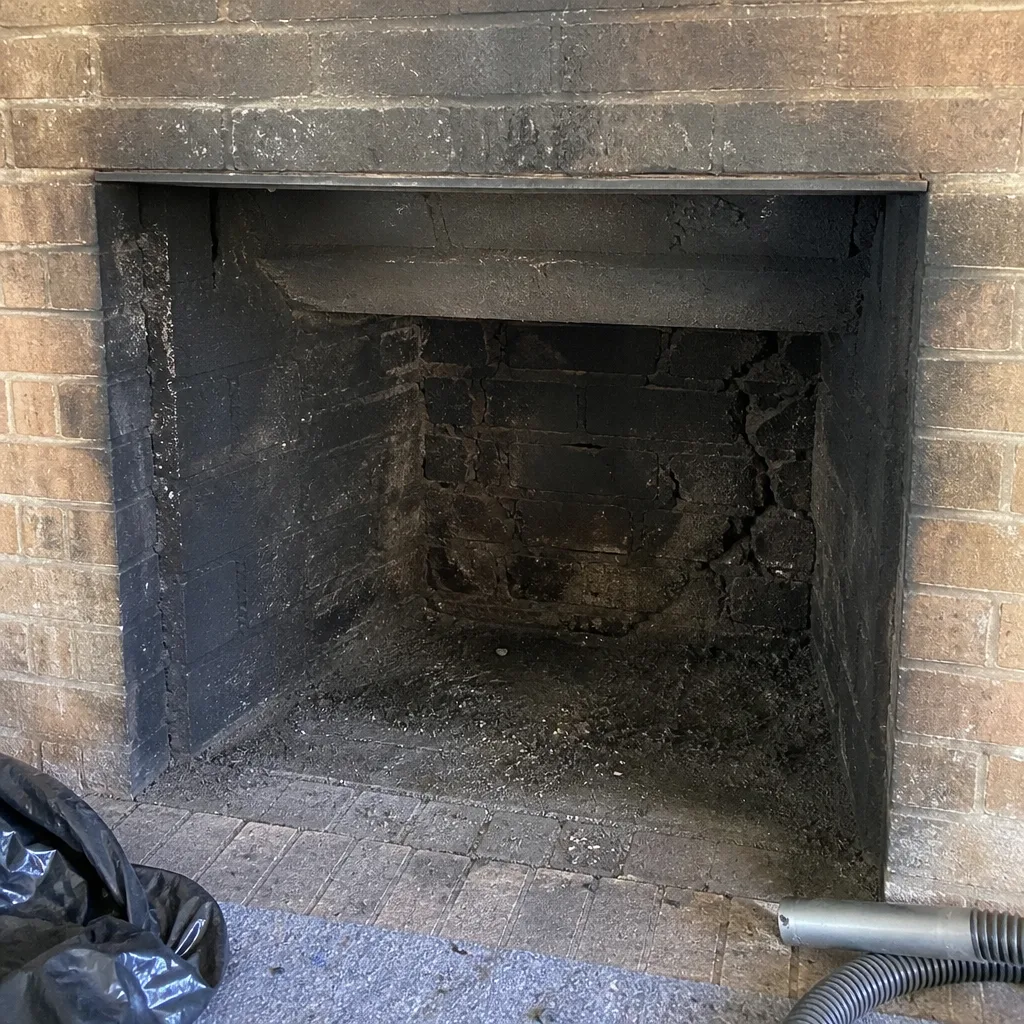 Before
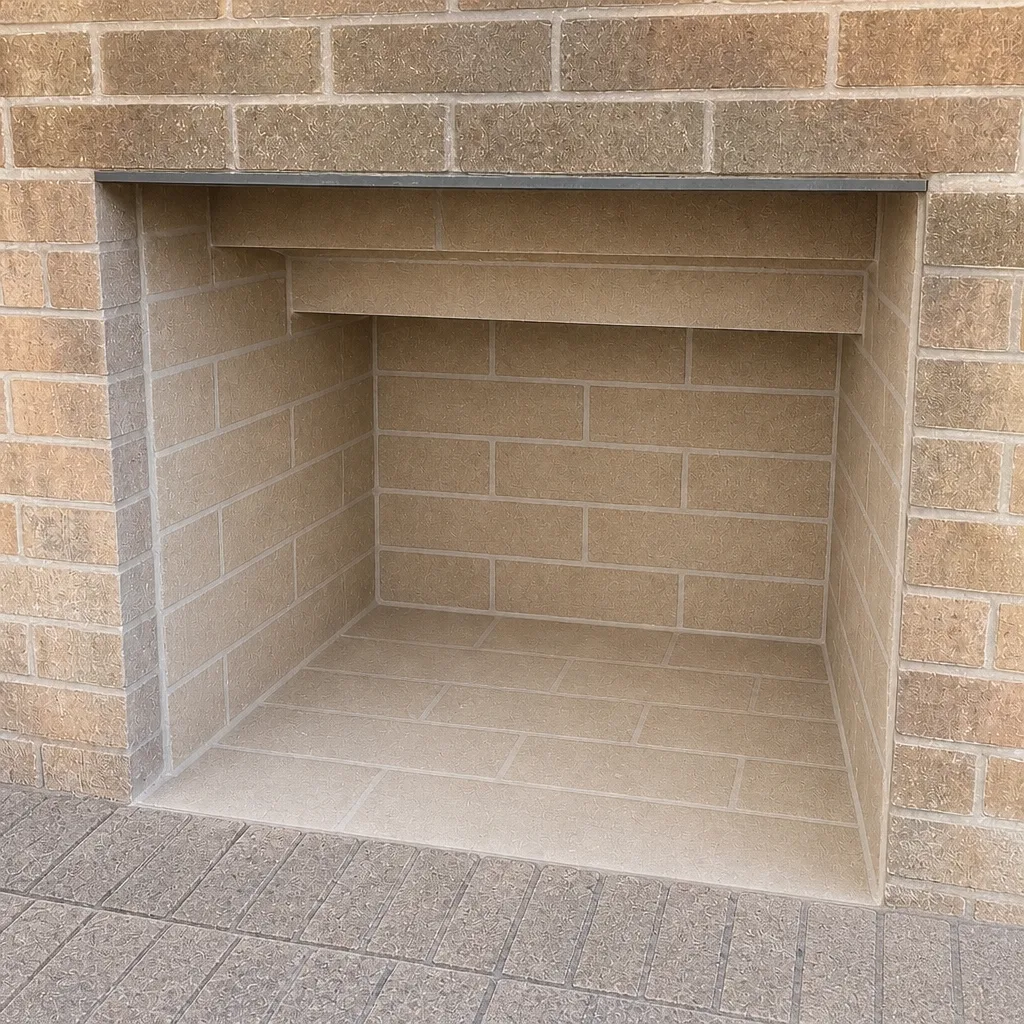 After
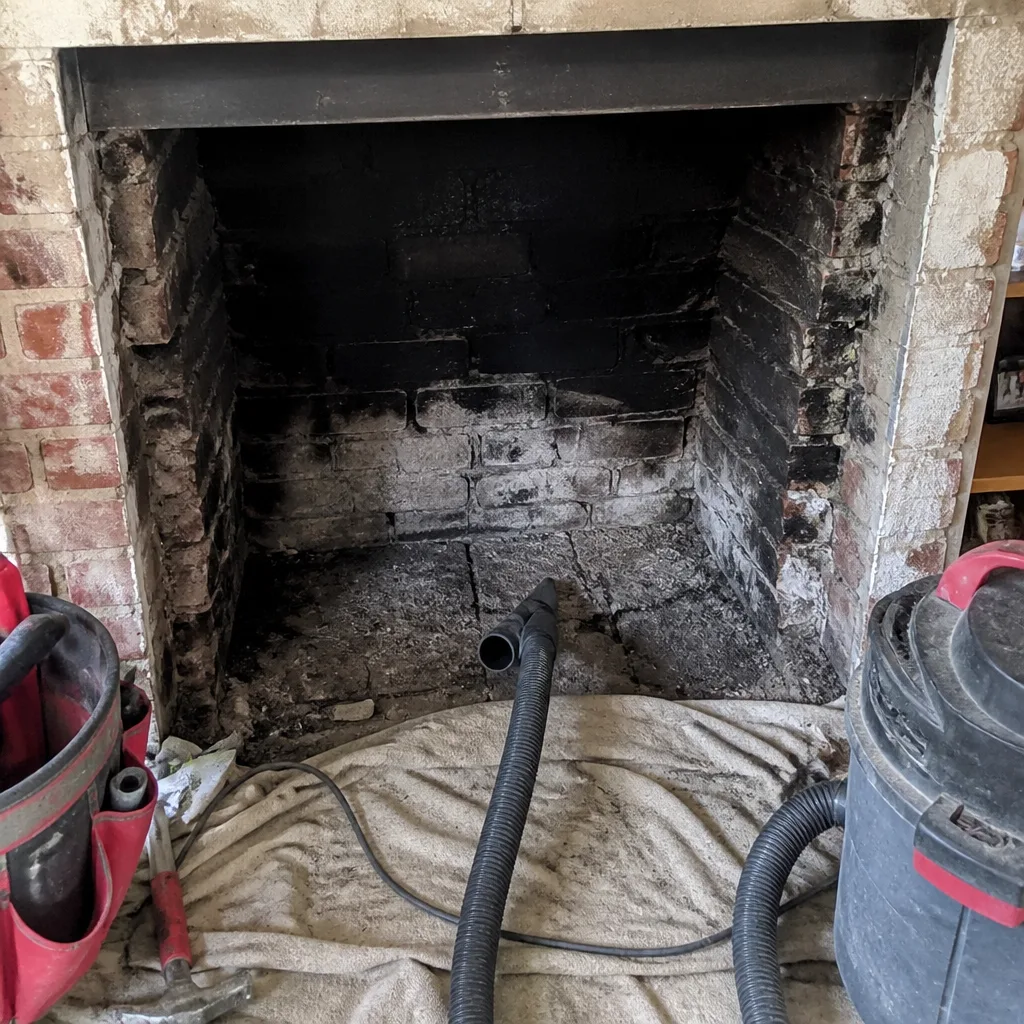 Before
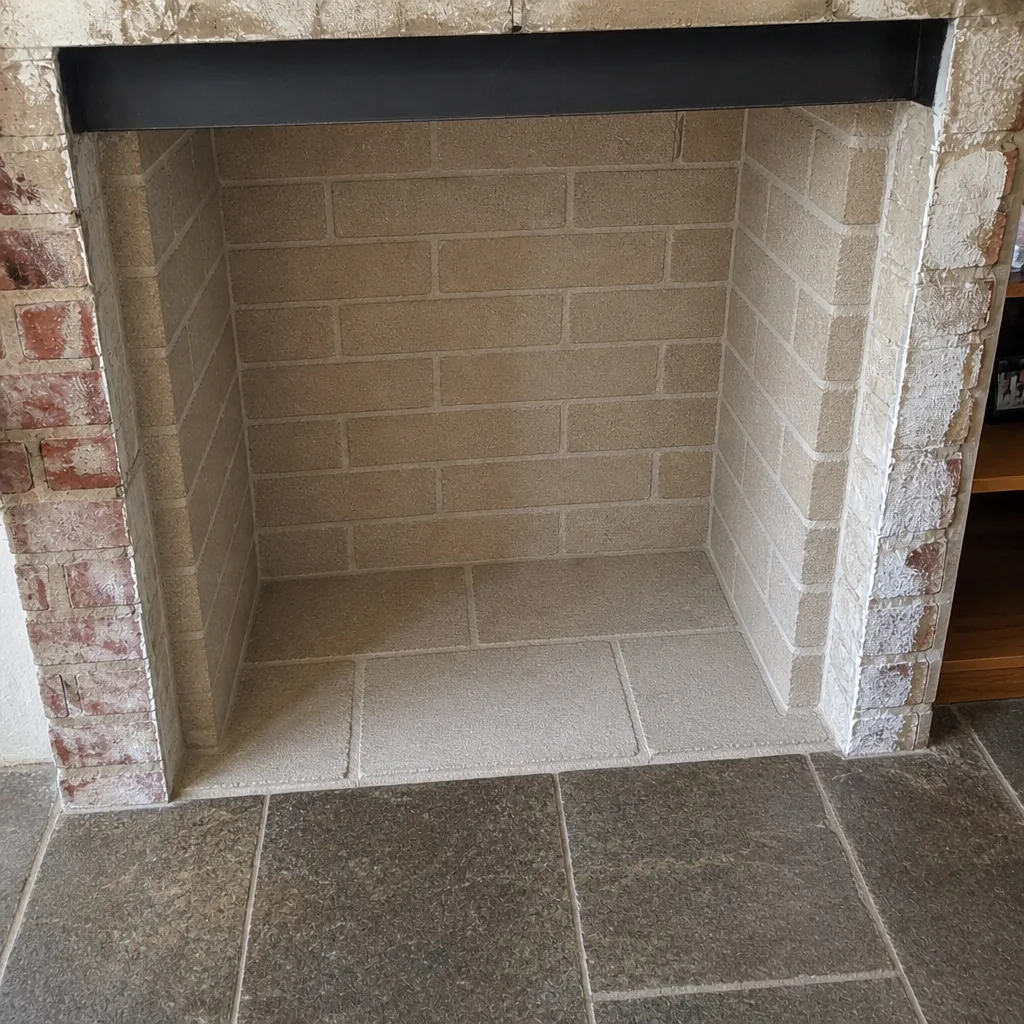 After
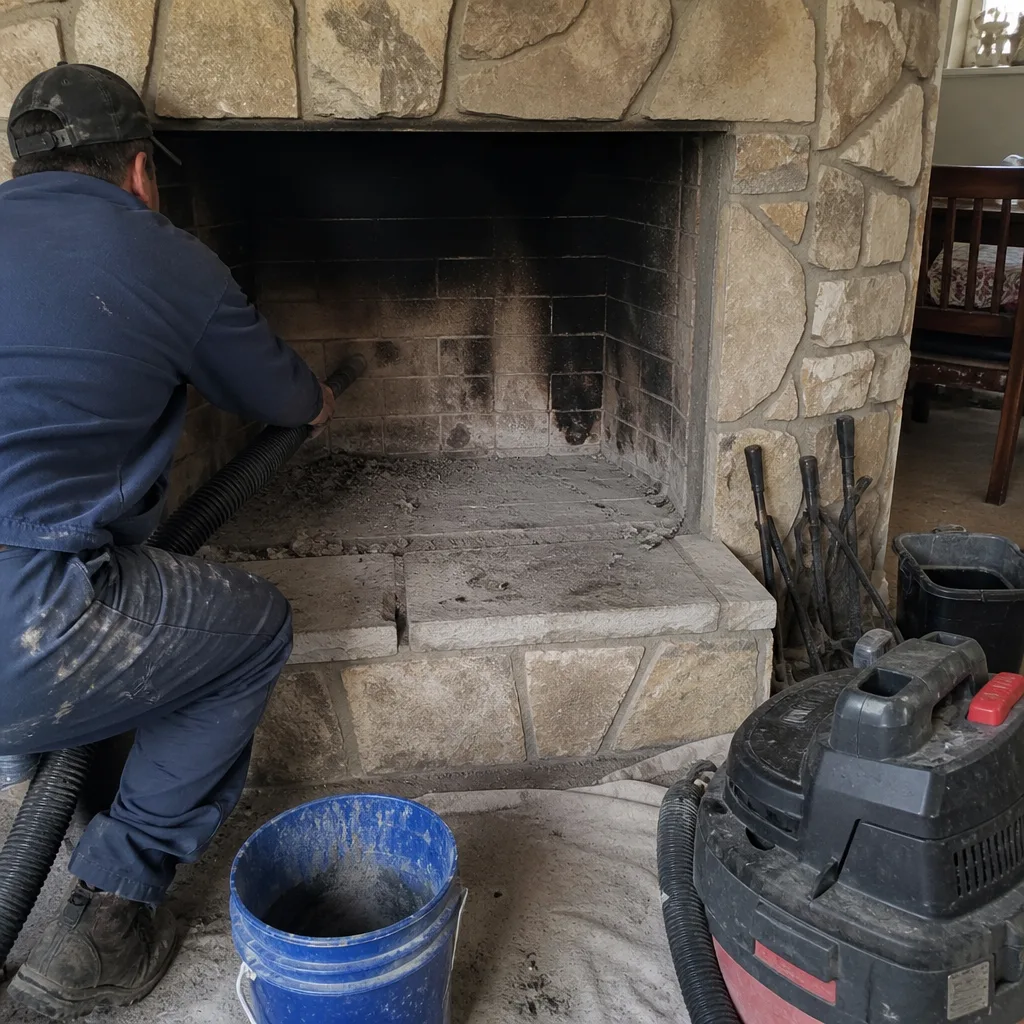 Before
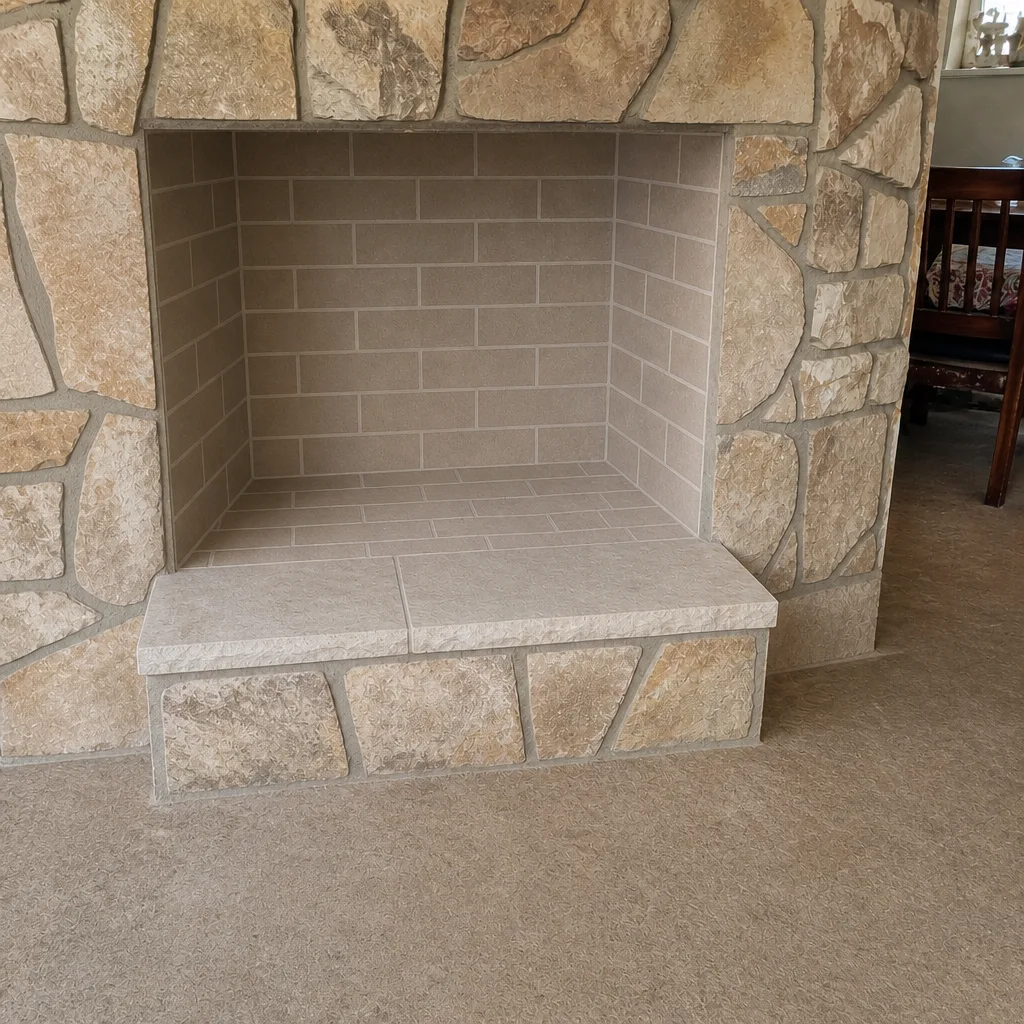 After
Frequently Asked Questions
No. Routine chimney cleaning in Wichita Falls is maintenance and does not require a City of Wichita Falls building permit. The permit question starts when a repair changes the flue’s structure – a liner replacement, a crown rebuild, a firebox reconstruction. Call (855) 705-9859 for an exact quote – estimates are free.
Repairs that change the chimney’s structural character typically require a permit and inspection. That usually includes a full flue liner replacement, a crown rebuild, a firebox reconstruction, a change to chimney height, or removal of the chimney. The City of Wichita Falls building department makes the final call, so confirm the specific scope with them before work starts. Call (855) 705-9859 and we’ll walk through the scope with you.
Call the City of Wichita Falls building department, describe the specific repair in plain language, and ask whether it needs a permit. Note the date and the answer. Then ask the contractor the same question and get their answer in writing. A legitimate contractor will not resist the question. Call (855) 705-9859 to schedule the inspection that tells you which side of the line your chimney is on – estimates are free.
An inspector running a Level 2 chimney inspection will notice a liner or crown that doesn’t match the original construction, and a title search may show an open permit that was never closed. When that happens, the typical remediation is a Level 2 inspection by a qualified professional, a permit pulled after the fact, and in some cases a partial rebuild to bring the work into compliance. Call (855) 705-9859 to get ahead of it – estimates are free.
Insurers don’t require permits on every chimney job, but they do require that the work be done to code, and a permit with an inspection stamp is the clearest proof of that. If a claim is filed and the work can’t be documented, the claim can be denied or reduced. Call (855) 705-9859 for a documented inspection and repair – estimates are free.
NFPA 211 is the national standard for chimneys, fireplaces, vents, and solid fuel-burning appliances, and Texas residential code references it for chimney construction and venting. A code-compliant chimney job is checked against that standard, not against a contractor’s preference. When a job is permitted, the inspection is what confirms the work meets the standard. Call (855) 705-9859 for a detailed inspection report you can hand to a city inspector or an insurer – estimates are free.
The Bottom Line
Chimney cleaning in Wichita Falls doesn’t need a permit, but the structural repairs that often follow cleaning usually do. That’s the line worth remembering. Routine maintenance – sweeping, capping, minor sealing – is fine to schedule on a normal service call. Liner replacement, crown rebuilds, firebox reconstruction, and other work that changes the fire-containment system is structural, and it triggers a City of Wichita Falls permit and inspection that produces the record you’ll want later. The permit is proof the work was done to code, and that proof is what protects you at a home sale or on an insurance claim. Ask the city the question up front, get the contractor’s answer in writing, and never leave a permitted job without the closed-out permit in hand. It’s less work now than the correction later.
If you’re not sure which side of the permit line your chimney sits on, that’s exactly the question we answer first. We repair what we find, we install professional-grade DuraFlex liners and HeatShield resurfacing from Olympia Chimney and Copperfield, and we tell you plainly when work can safely wait and when it can’t. One call covers your chimney and your dryer vent, so nothing about your home’s fire safety goes unaddressed.
Call (855) 705-9859 for a free estimate. We answer 24/7. Fast dispatch from 7am to 7pm, Sunday through Friday. Our technicians have up to 15 years of experience, and the estimate is free with no obligation. If you’re in Wichita Falls and need an inspection, a repair, or a dryer vent cleaning alongside your chimney service, one call covers it. Estimates are free, and nothing gets recommended without evidence you can see for yourself.
Written by the team at Lionheart Chimney Sweep.