
Last updated November 14, 2026
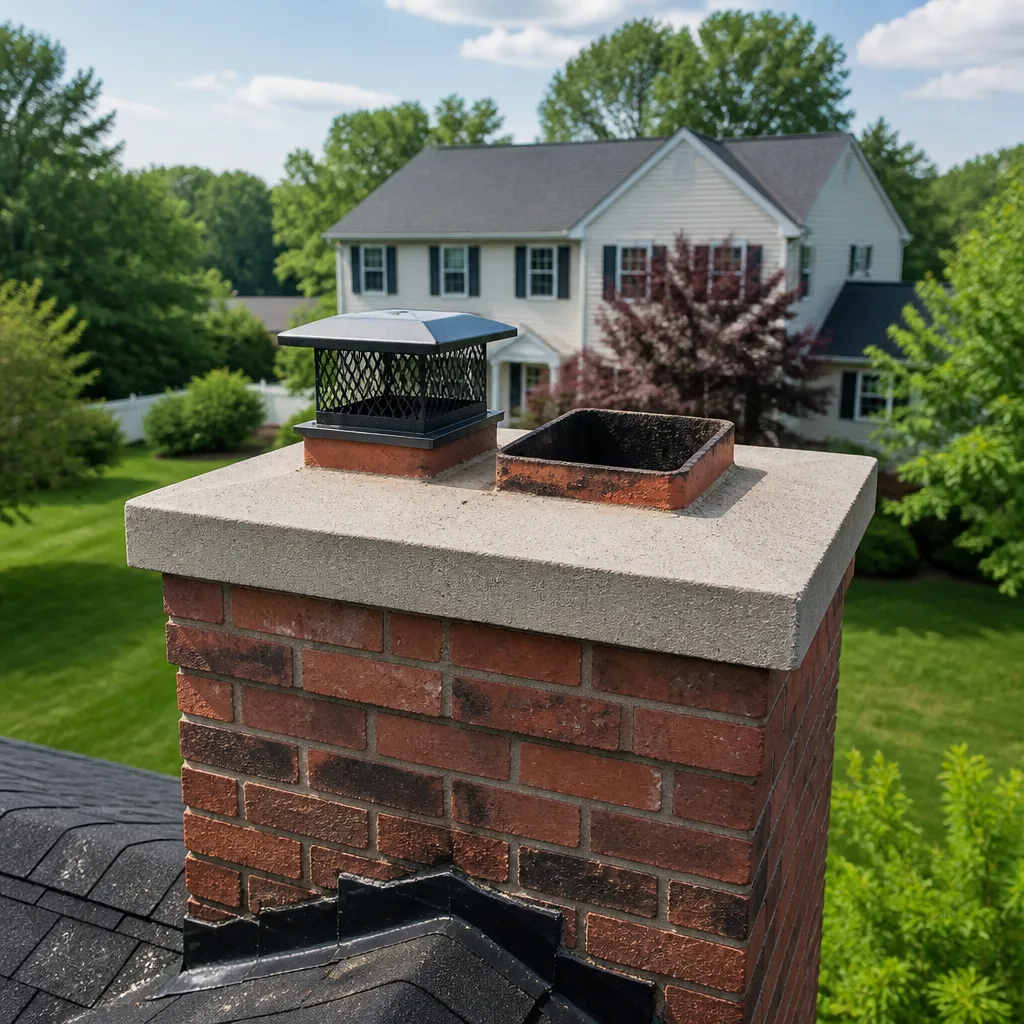 Sweep & inspection
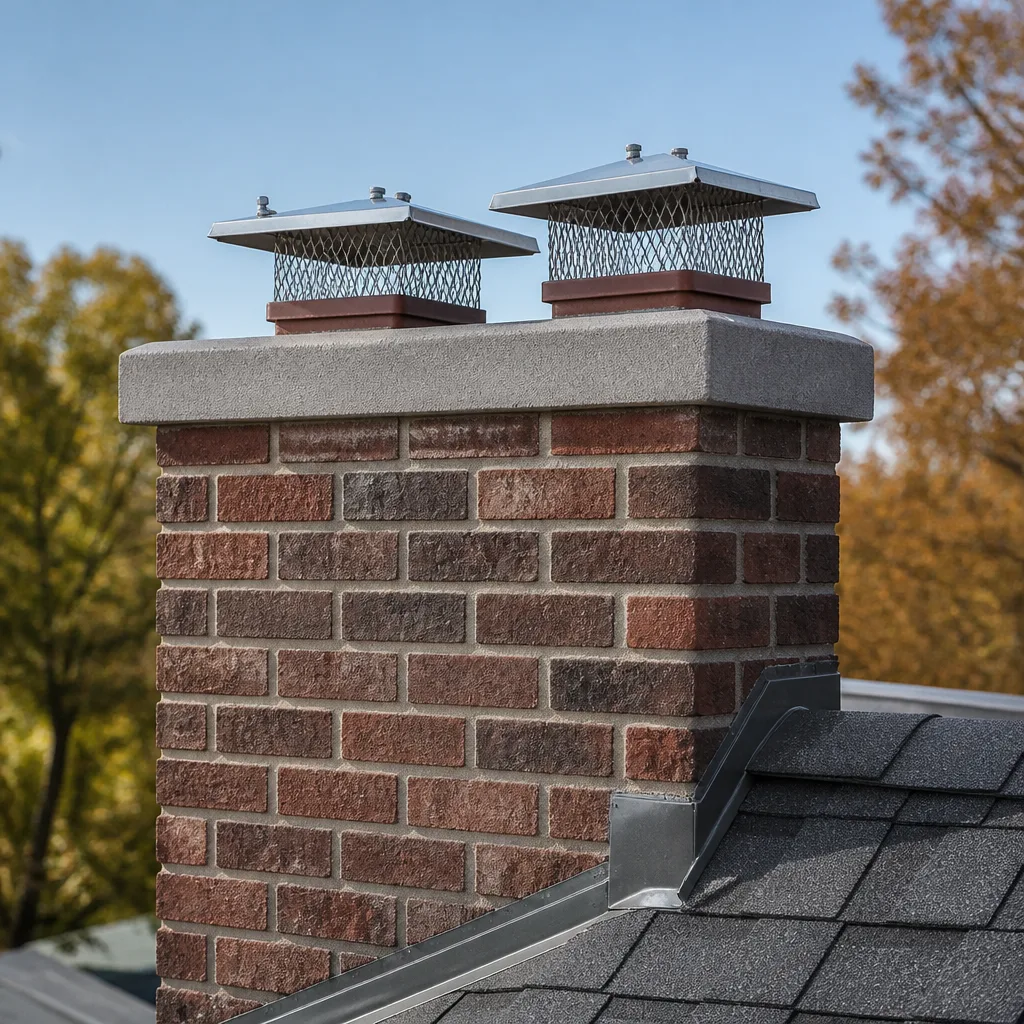 Caps & crowns
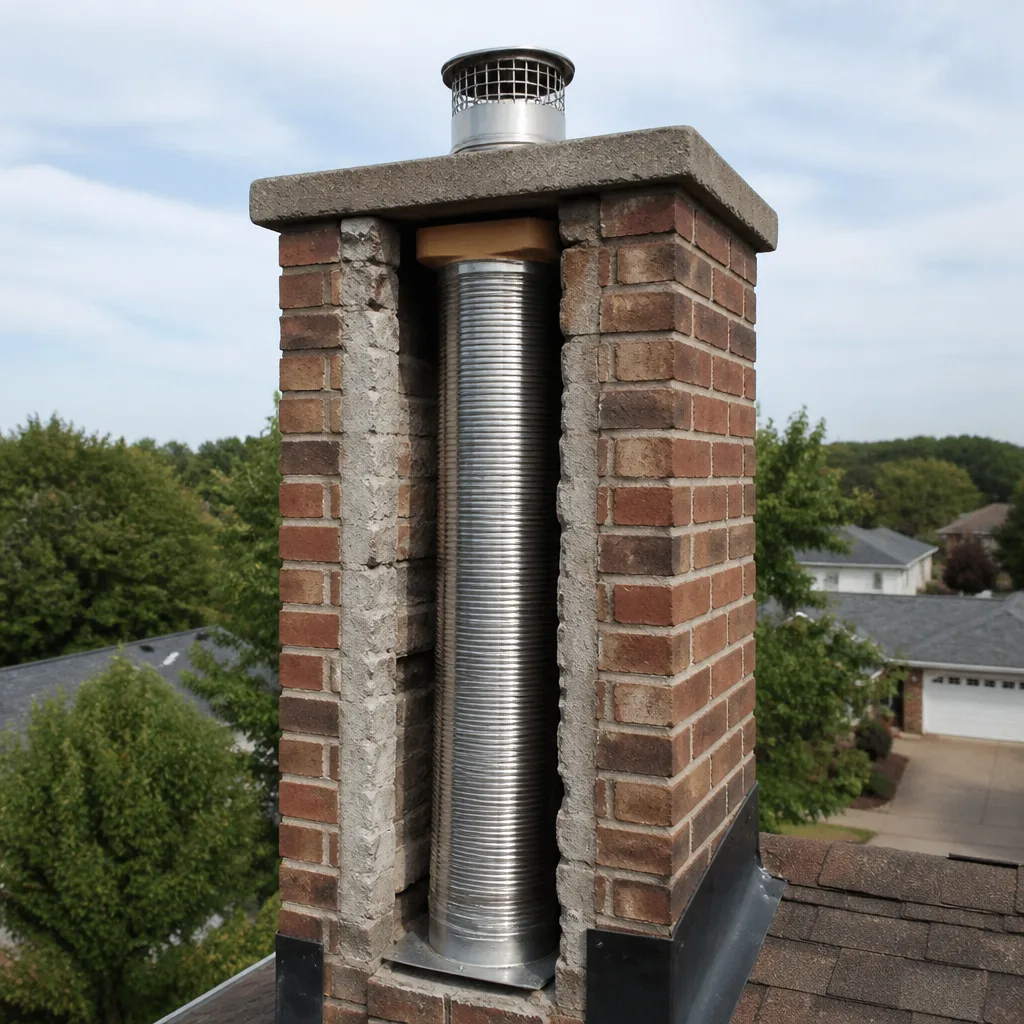 Flue relining
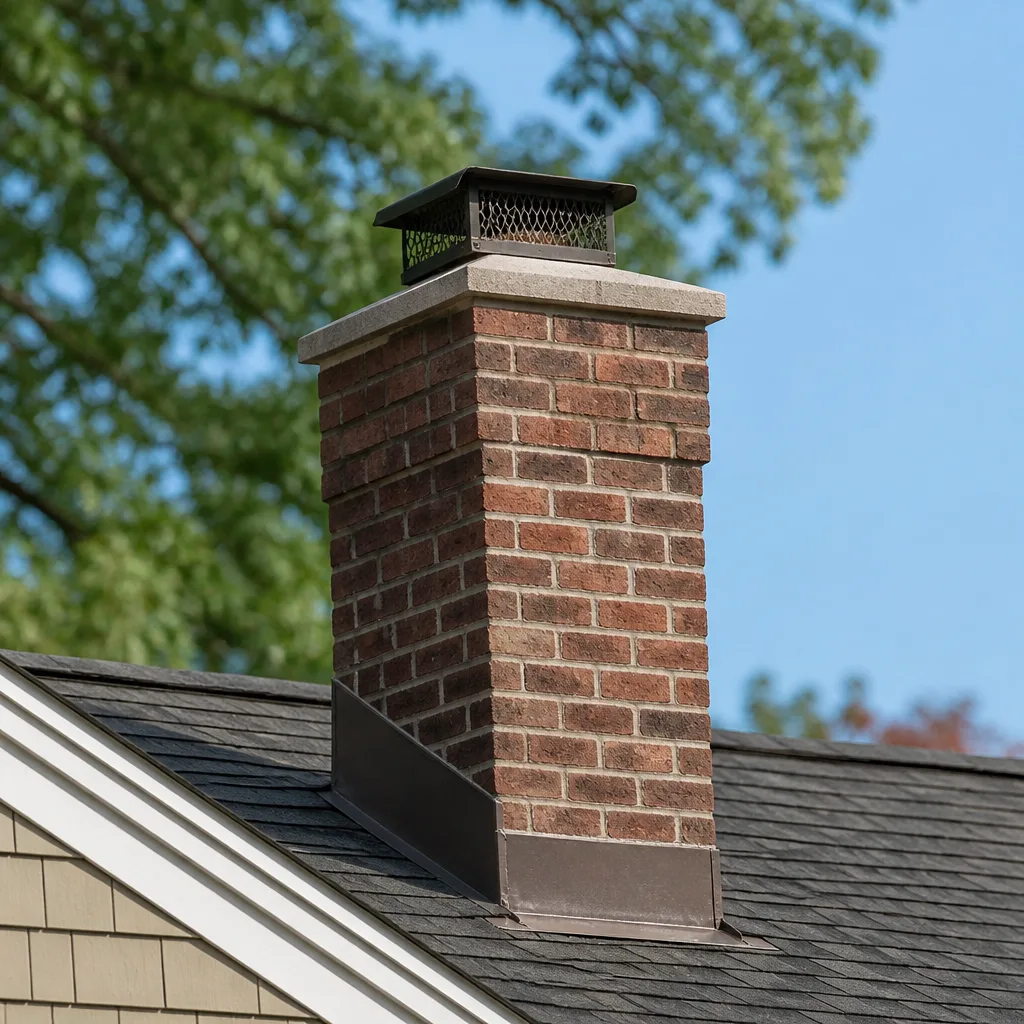 Masonry repair
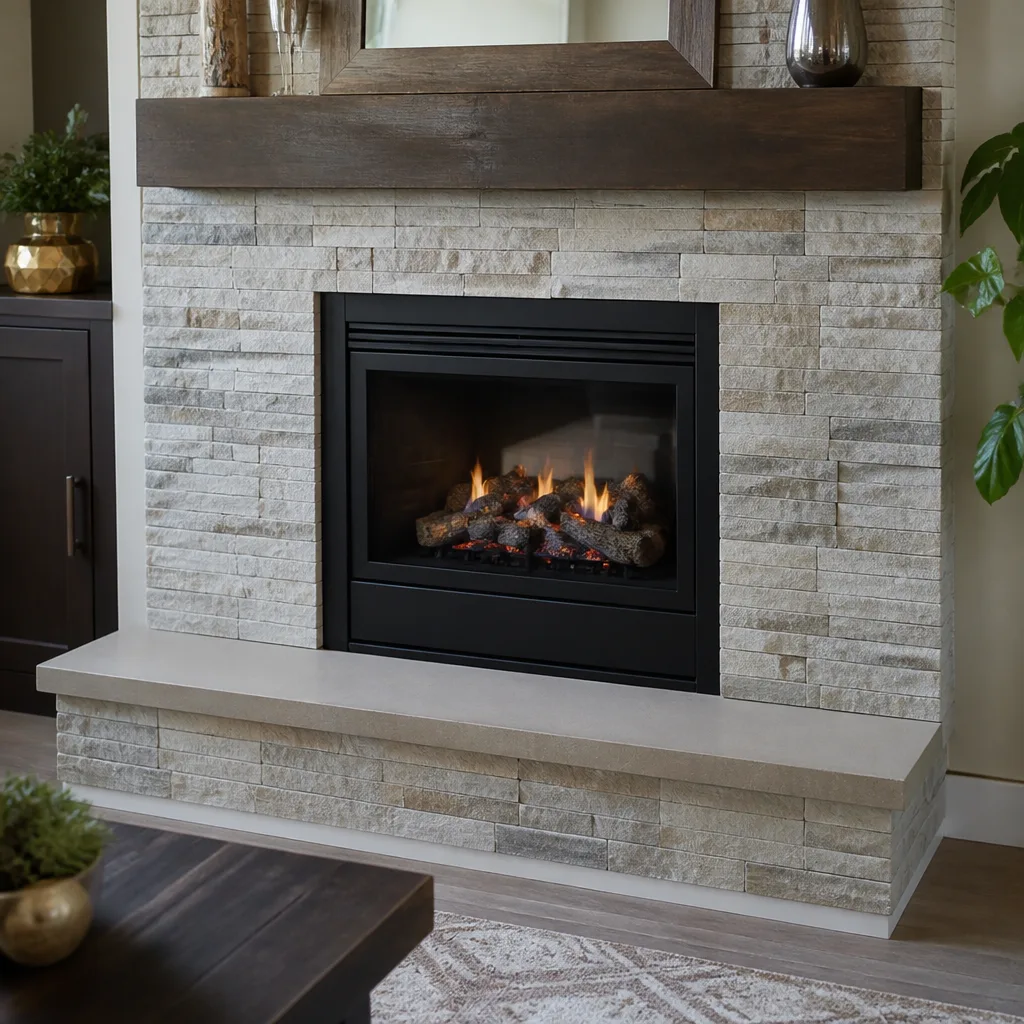 Gas fireplace service
Level 1 sweep and inspection to the NFPA 211 annual standard - flue, crown, cap, and flashing checked and photographed
Chimney sweep logs do not sweep chimneys. They loosen some creosote - which then falls where a brush and vacuum still have to collect it.
Chimney Sweep Maintenance Schedule: What to Do and When
The NFPA recommends annual chimney inspections, but that standard was written with the wood-burning fireplace in mind. A gas insert that runs twice a winter and a wood stove that burns daily don’t accumulate creosote at anything like the same rate, so a single “once a year” rule shortchanges one homeowner and over-schedules the other. Here in Wichita Falls, where the heating season is short but real and the off-season window is wide, the smarter approach is a schedule built around your fuel type, your appliance, and how often you actually burn. This guide lays out that framework task by task: what to do before the first fire, what to do every year, what to check only every few years, and the one-time structural items that never repeat.
Quick Answer
There’s no single chimney sweep maintenance schedule that fits every home. Wood-burning fireplaces and stoves burned regularly need sweeping once a year or sooner, gas appliances need an annual inspection even though they produce little to no creosote, and everything needs a professional look before the first fire of the season. Book the work in spring or early summer in Wichita Falls, before the fall rush, and let the inspection findings set the interval from there.
Styles & brands we work with
- Sweep & inspection
- Caps & crowns
- Flue relining
- Masonry repair
- Gas fireplace service
Table of Contents
- What Actually Changes Your Maintenance Interval
- The Four Frequency Tiers of Chimney Care
- How Wood Species and Burn Frequency Change Creosote Buildup
- What Gas Appliance Owners Specifically Need to Check
- Why Spring and Early Summer Is the Smart Scheduling Window in Wichita Falls
- What You Can Safely Check Yourself Between Visits
- The Other Vent on Your Maintenance Calendar
- One-Time Structural Items That Don’t Repeat
What Actually Changes Your Maintenance Interval
A chimney maintenance schedule is really a set of variables, and once you know which ones apply to your home you can stop guessing. Four factors do most of the work.
- Fuel type. Wood produces creosote, the tar-like residue that fuels chimney fires. Gas produces almost none, but it produces something else: moisture. A gas appliance needs inspection for liner integrity and venting, not for soot volume.
- Appliance type. An open fireplace draws a lot of room air and burns inefficiently. A modern wood stove or insert controls combustion and can run hotter and cleaner, but it can also run smoldering and slow if you close the damper down too far. Both need attention, for different reasons.
- Burn frequency. A stove run daily through the cold months builds deposits far faster than a fireplace used a dozen times a season. This single variable probably changes the interval more than any other.
- What you burn and how you burn it. Seasoned hardwood burned hot and clean leaves little behind. Green wood, softwood, and paper-heavy fires leave a lot. This one is entirely in your control.
Put those four together and you get a schedule that actually matches your home instead of a generic calendar reminder. In our experience, the homes that end up with the worst creosote problems aren’t the ones that burn the most. They’re the ones running a slow, smoldering fire on unseasoned wood and assuming the annual rule covers them.
One more factor worth naming: the chimney itself. A flue sized correctly for the appliance draws properly and stays cleaner. A flue that’s oversized, undersized, or damaged drafts poorly and lets deposits collect faster. That’s why the inspection, not just the sweep, drives the schedule. If your chimney hasn’t been looked at by someone who can see the whole flue, start there with a chimney sweep visit and a proper look before you build a calendar around it.
The Four Frequency Tiers of Chimney Care
Think of chimney maintenance in four tiers. Each tier answers a different question: what needs doing now, what needs doing every year, what can wait, and what you only do once.
Tier 1: Before the First Fire of the Season
- Clear the firebox of ash and leftover debris from last season.
- Check that the damper opens and closes freely.
- Look up the flue with a flashlight for obvious blockages, bird nests, or fallen leaves.
- Confirm the chimney cap and spark screen are intact and properly seated.
- Test smoke alarms and carbon monoxide detectors, and replace batteries.
- Schedule the professional inspection if you haven’t already booked it.
Tier 2: Annual
Every chimney gets a professional inspection once a year, full stop. That’s the baseline the industry agrees on, and it holds whether you burn wood or gas. A wood-burning appliance that sees regular use also gets swept annually at minimum, and more often if the inspection says so. This is the tier where you find out about a cracked flue tile or a failing liner before it becomes a real problem.
Tier 3: Every Few Years
Some items don’t need doing every season. The chimney cap and screen deserve a close look every couple of years for rust and fastener wear. Exterior masonry should be checked for spalling and joint deterioration on a similar rhythm, especially after a run of hard freezes, which Wichita Falls does get. Flashing at the roofline is another every-few-years item. These are the checks that catch slow water damage before it reaches the framing.
Tier 4: One-Time Structural
A few jobs are done once and then simply maintained. Relining a flue with a stainless flexible system is the big one. So is resurfacing a deteriorated tile liner with a ceramic product. Cracked crowns get rebuilt. These aren’t recurring tasks, but they reset the clock on everything above, which is why an inspection that finds a problem changes your schedule going forward. We repair what we find because the repair is what keeps the schedule honest.
How Wood Species and Burn Frequency Change Creosote Buildup
Creosote is the reason wood heat demands more attention than gas, and how fast it builds comes down to moisture content and fire behavior. Green wood, meaning wood that hasn’t been dried, carries a high water content. That water has to boil off before the wood can burn efficiently, which cools the flue gas and deposits more of the unburned material on the flue walls. Seasoned wood, dried down over months, burns hotter and cleaner and leaves less behind.
Species matters too, though less than moisture. Dense hardwoods like oak and hickory deliver more heat per cord and burn longer and hotter than softwoods. That’s not a knock on softwood, which lights easily and burns hot when dry. The point is that a hot, well-drafted fire of dry wood keeps the flue warmer, and a warm flue is a cleaner flue.
Burn frequency compounds all of it. Consider two homes in Wichita Falls. One runs a wood stove as serious supplemental heat, burning daily through the cold months. The other lights a fireplace on the handful of evenings that turn genuinely cold. The daily burner may need sweeping more than once a season, because deposits accumulate faster than an annual visit can keep up with. The occasional burner may genuinely last a year or more between sweeps. Same rule, very different reality.
What you can do about it:
- Burn seasoned wood only. Buy it dry or split and stack it well ahead of the season.
- Don’t choke the fire down for long overnight burns on a regular basis. Smoldering fires produce the most creosote.
- Watch for the signs of excess buildup: a dull thud when you tap the flue, a strong smoky smell, or visible flaky or glazed deposits near the damper.
- Keep paper and trash out of the firebox. They burn fast and cool and leave residue behind.
If you’re a daily burner, tell the technician that when you book. It’s the single most useful thing you can say, because it changes how the inspection is done and how often the schedule should repeat.
What Gas Appliance Owners Specifically Need to Check
Gas appliances produce little to no creosote, which leads a lot of homeowners to assume a gas insert or gas log set is maintenance-free. It isn’t. Gas still needs an annual inspection, and the focus is different from a wood-burning flue.
- Flue liner integrity. Gas combustion produces moisture, and that moisture is corrosive to masonry over time. A flue that was fine with a wood appliance can degrade faster with a gas one. A proper stainless liner handles it, but it has to be in good condition.
- Bird and debris screens. The cap and screen keep animals and nesting material out of the flue. Gas flues run cooler than wood, and a blocked gas flue can spill combustion products back into the room instead of up and out. That’s the carbon monoxide risk, and it doesn’t announce itself.
- Burner venting and draft. The burner needs to vent properly and the flue needs to draw. A technician checks that the appliance is drafting as it should and that the termination at the top is clear.
- The appliance connections themselves. Gas line connections, the burner assembly, and the pilot or ignition system should be checked by someone qualified. Gas work is not a homeowner task.
Gas is convenient and clean-burning, but “clean-burning” is about what comes out of the fire, not what happens to the flue over years of use. Treat the annual inspection as non-negotiable and the rest of the schedule gets simple. When we look at a gas install, we’re checking the liner, the cap, and the draft as a system, and we’ll tell you plainly if something can safely wait another season.
Why Spring and Early Summer Is the Smart Scheduling Window in Wichita Falls
Most homeowners in Wichita Falls think about the chimney in October, when the first cold front rolls through and the fireplace suddenly matters again. That’s the worst time to book, and not because of the weather. It’s because everybody else had the same idea.
The fall scramble means longer waits, and it means the appointment you get may be rushed. Spring and early summer are the opposite. The heating season is over, the schedule is open, and a technician has the time to do a thorough inspection and talk through what they find. If the inspection turns up a liner problem, you’ve got months to decide on the repair instead of a week before you want to light a fire.
The seasonal logic is simple:
- Book in spring, right after the last fire. The flue is as loaded as it’s going to get, so you’re seeing the real picture.
- Get the inspection and any repair done in the off-season. No pressure, no backlog, and time to plan.
- Enter fall with the work already behind you. When the first cold night comes, you light the fire instead of chasing an appointment.
There’s a practical angle for daily burners too. A wood stove that runs hard through the winter may need more than one sweep a season, and the off-season is when you reset. Get it clean in spring, stay ahead of the deposits, and you won’t start the next season with a flue that’s already loaded. We answer 24/7, so booking doesn’t have to wait for a convenient moment. Fast dispatch from 7am to 7pm, Sunday through Friday, gets a technician out to look at what you’ve got.
What You Can Safely Check Yourself Between Visits
There’s a useful middle ground between doing nothing and doing too much. A handful of simple checks between professional visits catch problems early without putting you anywhere near the parts of a chimney that need a trained technician. The key is knowing where the line is.
Safe for you to check:
- The firebox and damper. Clear ash, confirm the damper moves freely, and look for obvious cracks in the firebox brick.
- The cap, from the ground. Use binoculars to confirm the cap is seated, the screen is intact, and nothing is nesting on top.
- Smoke and draft behavior. If smoke rolls into the room instead of going up, or the fire struggles to draw, that’s a signal to call.
- Smells. A strong smoky odor in the room when the fireplace isn’t in use can point to a draft or buildup problem worth a look.
- The exterior, from the ground. Look for cracked or missing mortar joints, spalling brick, or a crown that’s pulling away from the flue.
Not safe for you to check, and never a do-it-yourself task:
- Anything that requires climbing onto the roof.
- Removing or inspecting the cap from above.
- Reaching into the flue, or working on the liner in any way.
- Gas connections, burner assemblies, or anything involving the gas supply.
That last set is where people get hurt. A blocked or cracked flue doesn’t warn you before it becomes dangerous, and the height and the gas make it worse. A trained professional has the tools, the camera, and the experience to see the whole flue and tell you what’s really going on. Our technicians have up to 15 years of experience, and they’d rather spend an hour showing you a photo of what they found than have you guess.
The Other Vent on Your Maintenance Calendar
Fire safety at home isn’t only about the chimney. The dryer vent is the other vent in the house that collects lint and, over time, becomes a fire hazard. The U.S. Fire Administration tracks dryer vent fires as a leading cause of appliance-related house fires, and most chimney-only companies never touch them. We do, because it’s the same principle: a vent that’s blocked or restricted doesn’t warn you before it becomes dangerous.
Dryer vent cleaning fits neatly into the same schedule logic as the chimney. It’s an annual task for most households, more often if you run a lot of laundry or have a long vent run. The signs it’s overdue are easy to spot: clothes take longer to dry, the dryer feels hot to the touch, or the outside vent flap barely moves when the dryer runs. Add dryer vent cleaning to the annual tier of your calendar and you’ve covered both vents with one call. That’s the fire-safety scope we care about, and it’s why we treat the dryer vent as a real part of the schedule rather than an upsell.
One-Time Structural Items That Don’t Repeat
Some work is done once and then simply maintained, and knowing which items belong here keeps you from over-scheduling or under-scheduling. These are the jobs an inspection may turn up, and the ones worth planning for.
- Relining the flue. A stainless flexible liner system restores a damaged or improperly sized flue. We install DuraFlex systems, the professional-tier product certified chimney specialists use. Done once, it resets the flue to a sound starting point.
- Resurfacing a deteriorated tile liner. HeatShield is a ceramic resurfacing system that addresses a cracked or spalling tile liner without a full reline in the right circumstances. An inspection determines whether it applies.
- Rebuilding a damaged crown. The crown sheds water off the top of the chimney. When it cracks, water gets in, and that’s a one-time repair that protects everything below it.
- Repointing masonry joints and addressing flashing. Water at the roofline is a slow problem. Fixing it once is far cheaper than letting it reach the framing.
These are the items we flag only when the camera and the inspection show a real reason, and we show you the evidence. If something can safely wait another season, we say so. The materials come from professional trade suppliers like Olympia Chimney, so the repair is built to last rather than patched with whatever’s on a hardware-store shelf. One visit covers the diagnosis and the fix, which is the Lionheart standard: we don’t just clean and leave.
Common Mistakes to Avoid
- Applying the annual rule to a daily wood stove. A stove that runs hard through the winter can load up faster than an annual sweep keeps up with. Tell the technician how much you burn and let the schedule stretch or tighten to match.
- Assuming gas means maintenance-free. Gas inserts and log sets still need an annual inspection for liner integrity, screen condition, and draft. The creosote is minimal, but the moisture and the venting still matter.
- Waiting until October to book. Everyone in Wichita Falls reaches for the phone at the first cold front. Spring and early summer booking gets you a thorough visit and time to plan any repair.
- Burning green or unseasoned wood. Wet wood cools the flue and deposits more creosote. Season it, stack it dry, and burn it hot.
- Ignoring the dryer vent. Lint buildup in the dryer vent is a fire hazard that a chimney-only company won’t catch. Add it to the annual list.
- Climbing on the roof to check the cap. It’s not worth the fall. Look from the ground with binoculars and leave the roof to a professional.
- Treating a cracked flue as a someday problem. A damaged flue is a fire and carbon monoxide risk, and it doesn’t announce itself. Get it inspected and repaired before the next fire.
See the difference
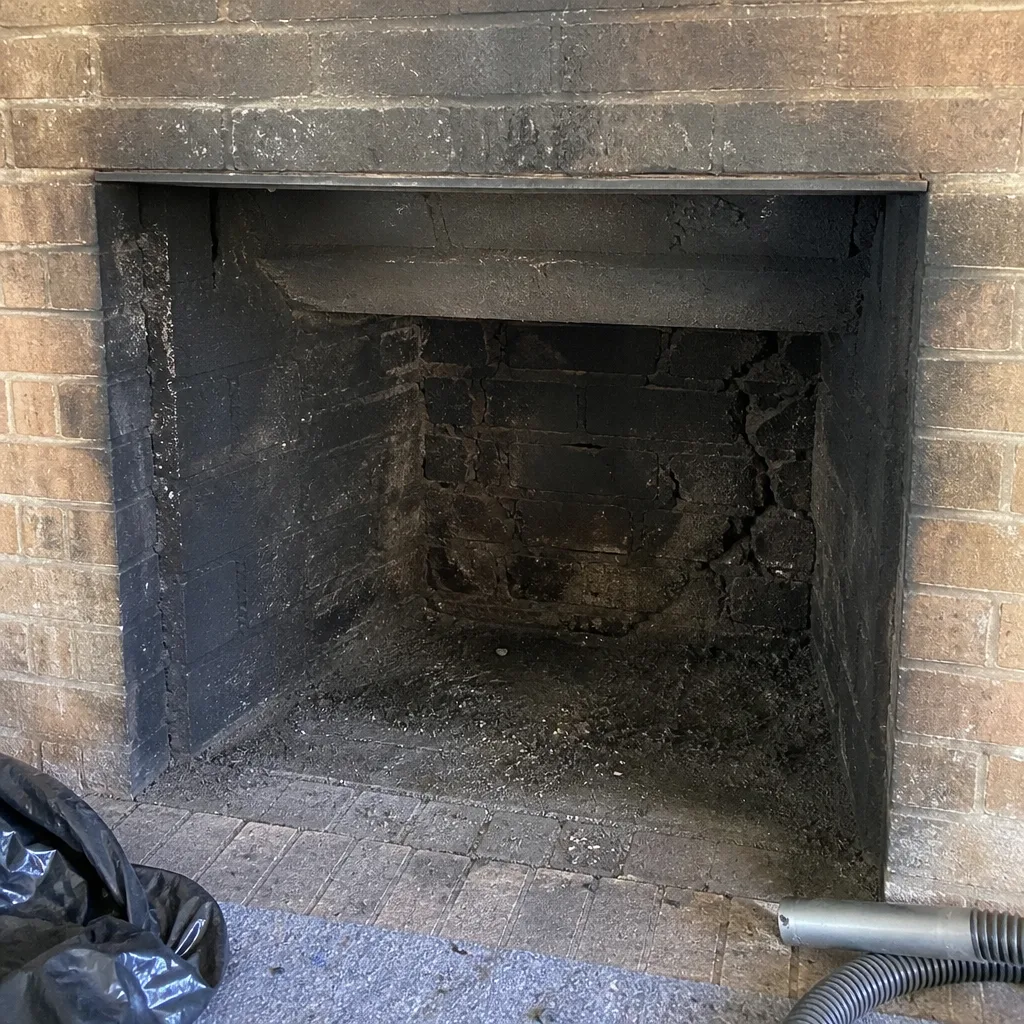 Before
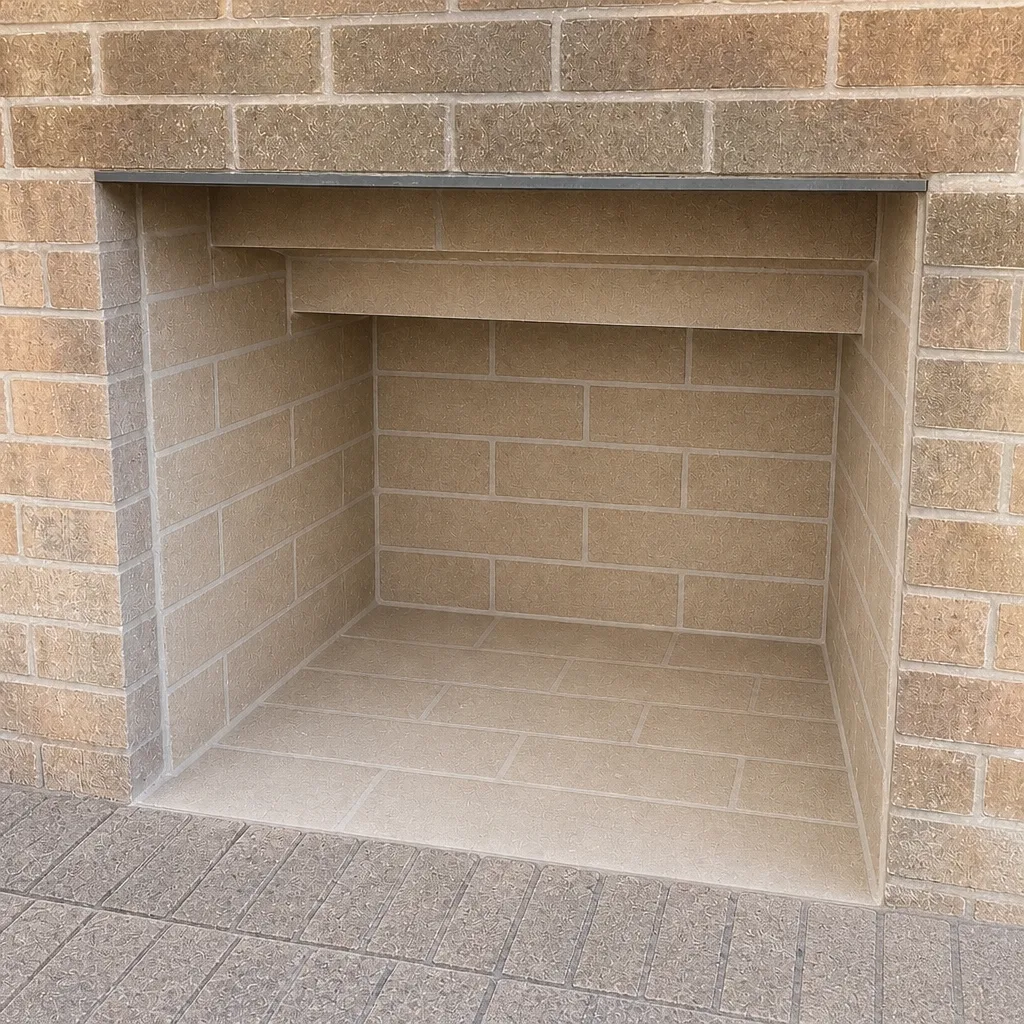 After
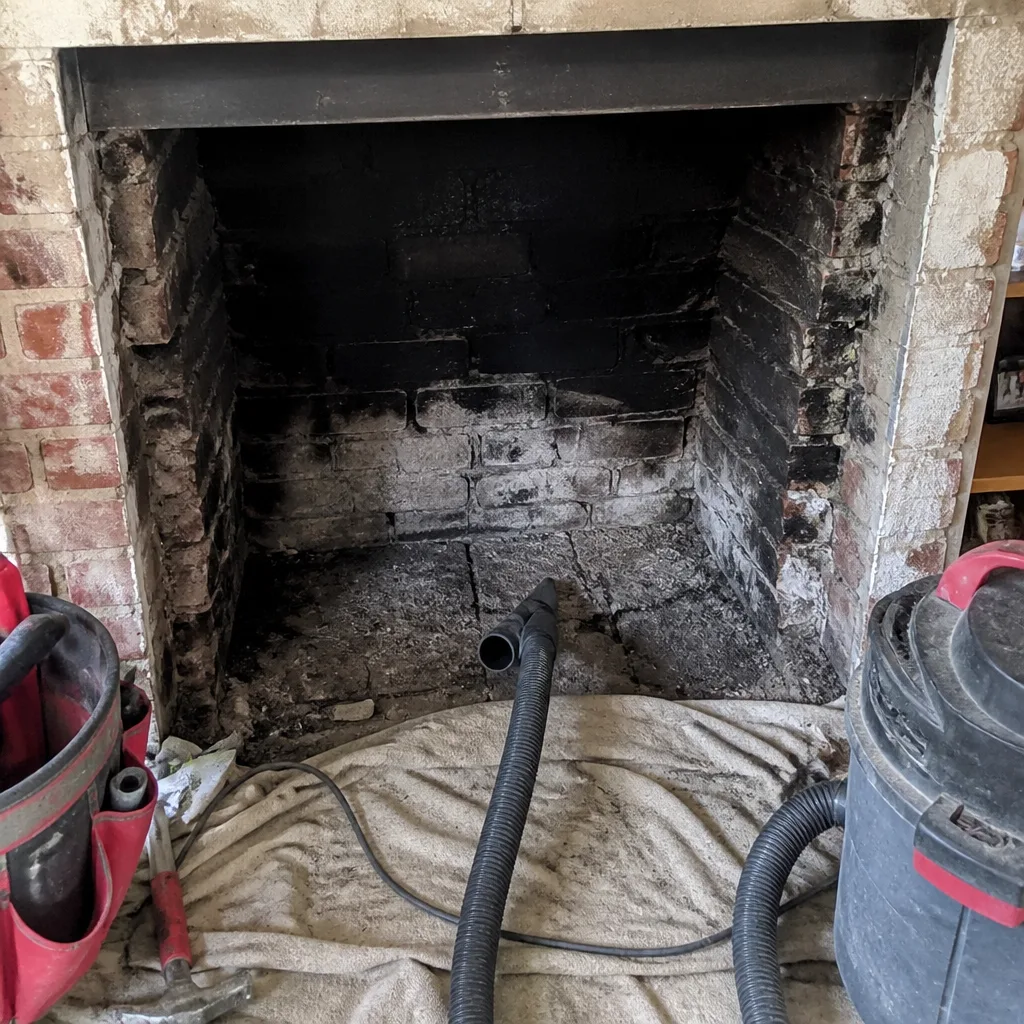 Before
 After
 Before
 After
When to Call a Professional
Some situations need a professional now, not at the next scheduled visit. Call if smoke rolls into the room instead of going up the flue, if you smell a strong smoky odor when the fireplace isn’t in use, if you see cracked or missing mortar or a damaged crown, or if the fire struggles to draw at all. Call before the first fire of the season if you haven’t had the chimney inspected in the last year, and call if you’ve just moved into a home in Wichita Falls and don’t know its service history. Lionheart Chimney Sweep offers free estimates in Wichita Falls – call (855) 705-9859. We answer 24/7, and fast dispatch from 7am to 7pm, Sunday through Friday, gets a technician to your door to see what’s really going on before you light a fire.
Frequently Asked Questions
A chimney used for wood should be swept at least once a year, and more often if you burn daily or notice heavy creosote. Gas appliances need an annual inspection even without creosote buildup. The right interval depends on your fuel type, appliance, and burn frequency, so let the inspection findings set it. Call (855) 705-9859 for an exact quote based on your chimney – estimates are free.
Skipping it lets creosote accumulate, and creosote is what fuels a chimney fire. A blocked or cracked flue can also let carbon monoxide back into the home. Neither warns you before it becomes dangerous, which is why the annual inspection matters even when the fireplace seems to work fine. Call (855) 705-9859 to get on the schedule – estimates are free.
Yes, though the focus is different. Gas produces little creosote, but the moisture and the venting still need an annual inspection for liner integrity, screen condition, and draft. Gas isn’t maintenance-free, it’s maintenance-different. Call (855) 705-9859 to book an inspection – estimates are free.
Spring and early summer are the smart window in Wichita Falls. The heating season is over, the schedule is open, and any repair the inspection turns up can be planned without the fall rush. Booking in October means longer waits and more pressure. Call (855) 705-9859 to book early – estimates are free.
Watch for a dull thud when you tap the flue, a strong smoky smell in the room, smoke rolling into the house, or visible flaky deposits near the damper. Any of those means call sooner rather than later. A daily wood burner should expect more frequent sweeps than an occasional fireplace. Call (855) 705-9859 and we’ll talk through what you’re seeing – estimates are free.
Yes. We serve homeowners with fireplaces, wood-burning stoves, gas inserts, and dryer vent systems across the Wichita Falls area. One call covers your chimney and your dryer vent, and the same trained technicians handle the sweep and the repair. For more about how we work citywide, see Wichita Falls. Call (855) 705-9859 for a free estimate.
The Bottom Line
A chimney maintenance schedule isn’t a single annual checkbox. It’s a framework built around your fuel type, your appliance, and how often you burn, with four frequency tiers that keep each task on the right rhythm. Wood demands more frequent attention than gas, and daily burners more than occasional ones. Book in spring or early summer in Wichita Falls to stay out of the fall backlog, do the safe ground-level checks yourself, and leave the flue, the roof, and the gas to a trained technician. When you’re ready to put it all on the calendar, Lionheart Chimney Sweep is here to help. Call (855) 705-9859 for a free estimate. We answer 24/7. Fast dispatch from 7am to 7pm, Sunday through Friday.
Written by the team at Lionheart Chimney Sweep.