
Last updated November 14, 2026
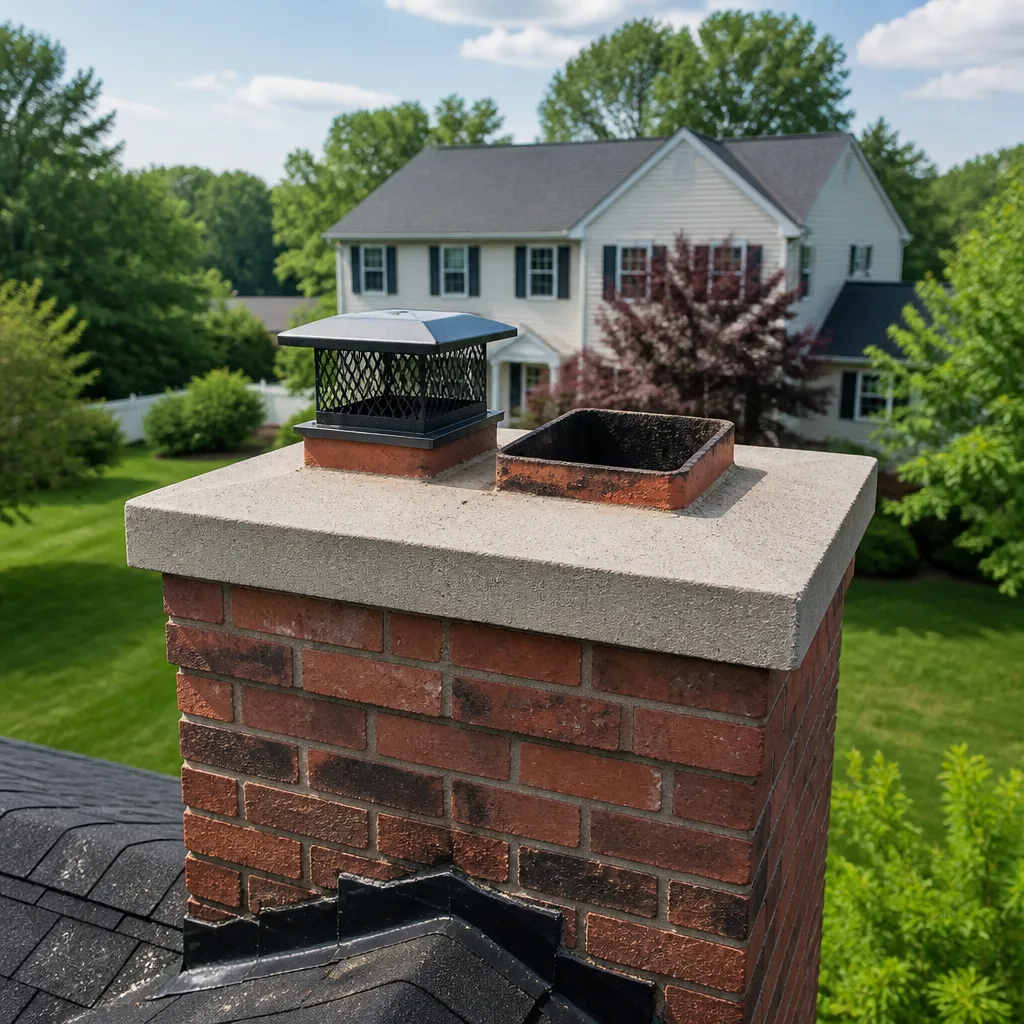 Sweep & inspection
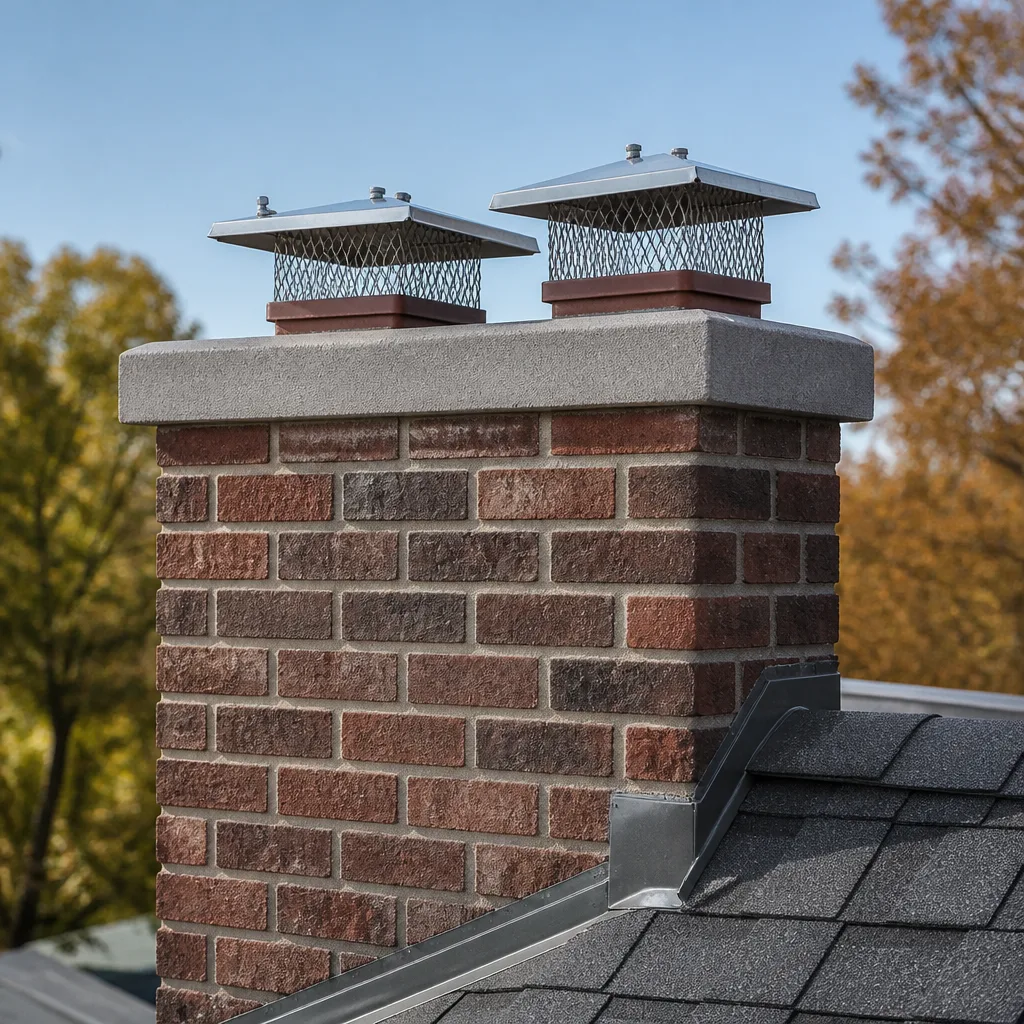 Caps & crowns
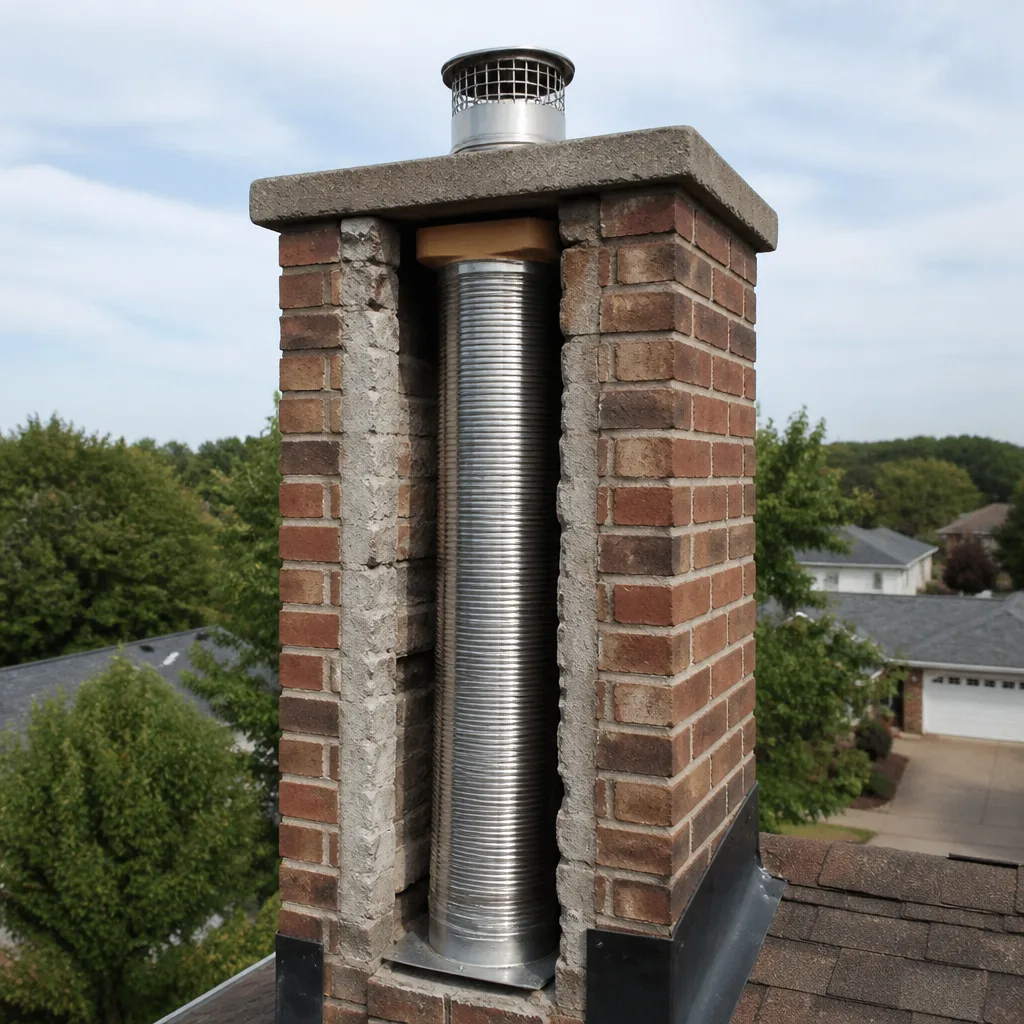 Flue relining
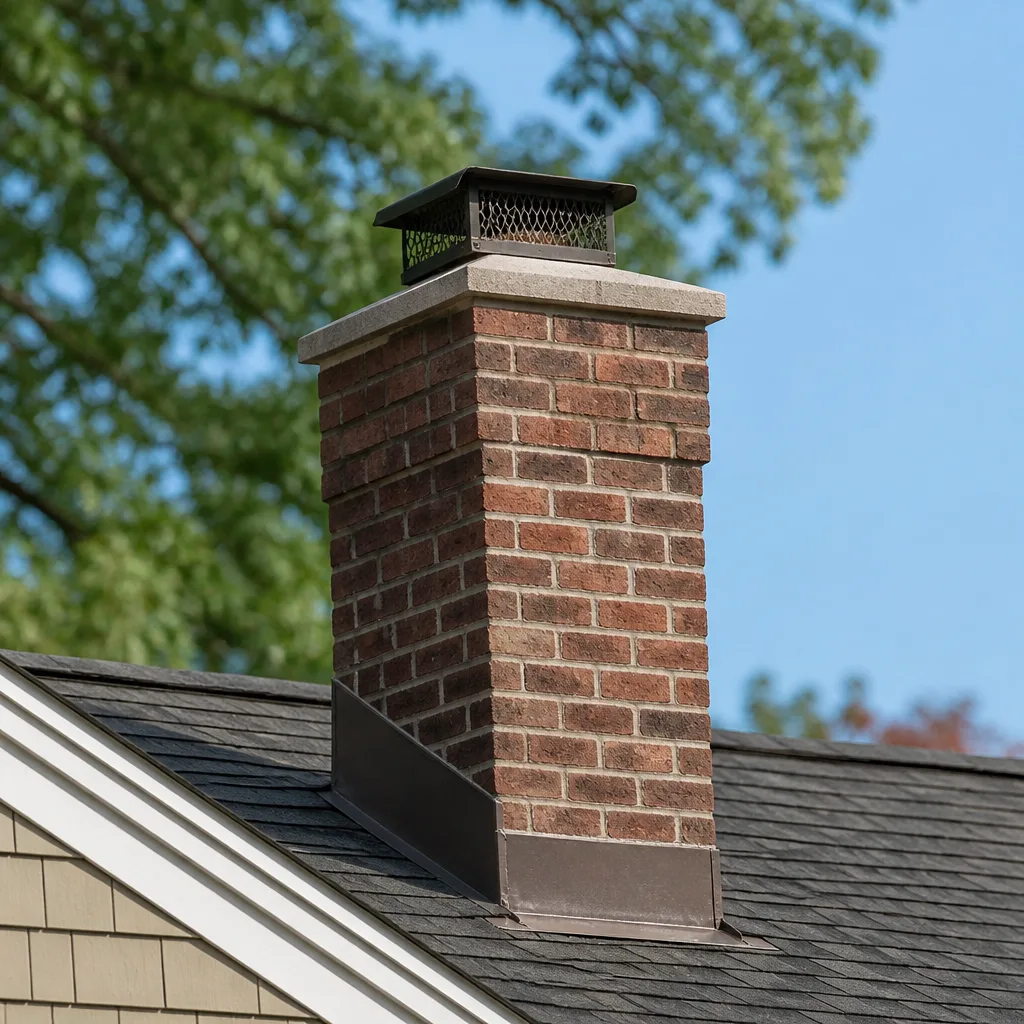 Masonry repair
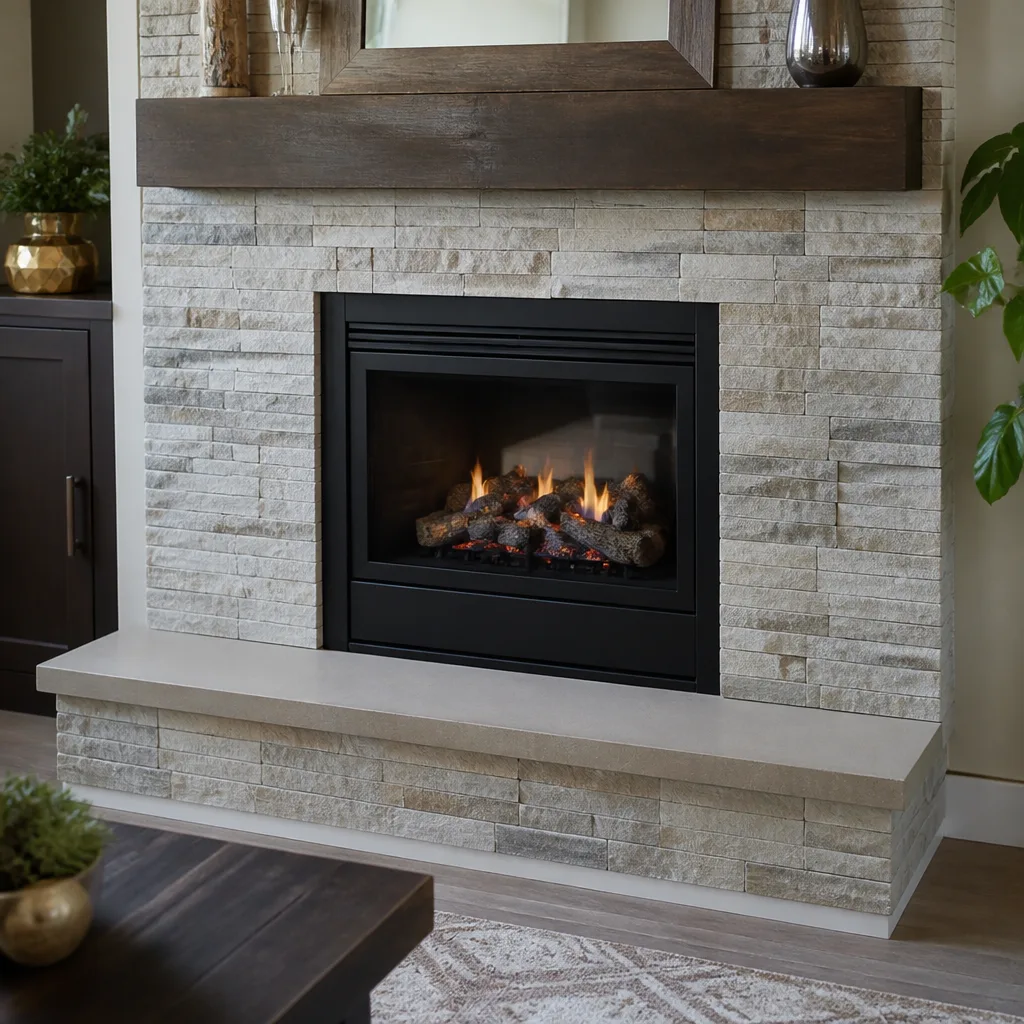 Gas fireplace service
Level 1 sweep and inspection to the NFPA 211 annual standard - flue, crown, cap, and flashing checked and photographed
Chimney sweep logs do not sweep chimneys. They loosen some creosote - which then falls where a brush and vacuum still have to collect it.
Chimney Sweep Troubleshooting in Wichita Falls: Common Problems and How to Fix Them
A smoky fireplace and a cold draft feel like opposite problems, yet they often trace back to the same root cause: a blocked, undersized, or damaged flue. Chasing one symptom while ignoring the other is why so many homeowners in Wichita Falls end up relighting a fire that still misbehaves. Troubleshooting works better as a diagnostic chain than a checklist. Each symptom points to a likely cause, and each cause has a concrete next step. In this guide, we walk through the problems we see most often in Wichita Falls, map the symptoms to their causes, and show you which ones you can monitor safely and which ones need a technician before the next fire is lit.
Styles & brands we work with
- Sweep & inspection
- Caps & crowns
- Flue relining
- Masonry repair
- Gas fireplace service
Quick Answer
Most chimney problems in Wichita Falls come down to a handful of root causes: a restricted or undersized flue, a failing damper or firebox, a deteriorated liner, or pressure problems caused by wind and temperature swings. Diagnosing the cause behind the symptom is what lets you fix the real issue instead of repeating a surface remedy. Anything involving a cracked liner, a blocked flue, or the smell of smoke in a closed house should be checked by a trained sweep before you burn again.
Table of Contents
- Why Chimney Troubleshooting in Wichita Falls Works Best as a Diagnostic Chain
- Symptom-to-Cause Chart: What Your Fireplace Is Telling You
- Why Wichita Falls Wind and Temperature Swings Create Draft Problems
- Start With the Firebox and Throat Damper
- The Troubleshooting Decision Tree
- What You Can Safely Monitor vs. What Needs a Sweep Visit
- What Chimney Repair in Wichita Falls Typically Costs
- Common Mistakes to Avoid
- When to Call a Professional
- Frequently Asked Questions
- The Bottom Line
Why Chimney Troubleshooting in Wichita Falls Works Best as a Diagnostic Chain
A chimney is a system, not a pipe. Air enters at the firebox, moves past the damper, travels up the flue, and exits at the cap. Change anything in that chain and the whole draw changes. That’s why treating a smoking fireplace with a fan or a bigger log barely helps: it addresses the visible symptom, not the part of the chain that’s failing. In Wichita Falls, we see this often. A homeowner adds a chimney-top fan, the smoking stops for a season, then returns worse the next year because the real problem is a flue that was nev
er properly sized for the firebox below it.
Troubleshooting as a diagnostic chain means asking three questions in order. First: is air getting in? Second: is air moving up unobstructed? Third: is air getting out? If any of the three fails, you’ll see it as smoke, odor, staining, or draft. Working through those three in sequence narrows the cause fast and saves you from replacing parts that were never the problem.
The other advantage of the chain approach is honesty. When a sweep inspects your chimney, the diagnostic evidence should be visible to you: camera images of the flue, a reading of the damper’s operation, a check of the cap and screen. At Lionheart Chimney Sweep, we show the evidence before we recommend anything, because a diagnostic chain that you can follow is worth more than a checklist you have to take on faith. This guide is built on that same principle, so you can follow each step yourself and know exactly when to stop and call.
Symptom-to-Cause Chart: What Your Fireplace Is Telling You
Symptoms are clues, not conclusions. The same smoke rollback that appears on a windy day can mean a restricted flue or a badly sized smoke chamber. The same cold draft coming down the flue can mean a pressure imbalance or a damper that no longer seals. Use this chart to match what you’re seeing to the most likely causes, then move into the diagnostic sections below to narrow it down.
- Smoke rollback into the room: most often a restricted flue (soot or debris), an undersized flue for the firebox, a partially closed damper, or a smoke chamber with poor geometry.
- Cold downdrafts when no fire is burning: usually a pressure imbalance between the house and the outside, an open or leaking damper, or a flue that’s taller or colder than the air it’s trying to move.
- Slow draw or a fire that struggles to catch: typically an undersized flue, a flue that’s too cold, or roofline and surrounding structures disrupting airflow at the cap.
- Smoke smell lingering in the house: commonly creosote buildup, a broken damper, or negative pressure pulling flue gases back into living space.
- Dark staining on the chimney exterior or near the firebox: often a sign of moisture combined with creosote, or a liner that has cracked and is letting gases through.
- White or chalky residue on masonry: typically efflorescence from moisture moving through brick, which points to a water problem before it points to a fire problem.
- Rust on the damper or firebox metal: usually moisture intrusion from a missing or failing cap, or water getting in around the crown.
- Loose or crumbling material inside the firebox: often a sign of refractory or mortar deterioration that needs professional evaluation.
Notice how many of these symptoms overlap. That’s the point. A smear of soot at the firebox opening and a chimney that won’t draw can share the same cause: a flue that’s partially blocked by glazed creosote high up where you can’t see it. The chart gives you a starting point, not a verdict. The next three sections help you narrow the cause before you decide what to do.
Why Wichita Falls Wind and Temperature Swings Create Draft Problems
A chimney doesn’t draw on its own. It draws because warm air rises and pushes out the top, and cool air is pulled in at the bottom. Anything that interferes with that balance shows up as a draft problem. In Wichita Falls, two things interfere constantly: wind patterns that change with the seasons, and temperature swings that can be dramatic within a single day. A chimney that worked fine in July can struggle in December, not because it changed, but because the pressure around the house changed.
Wind does more than push smoke. It creates pressure differences around the roofline. When wind hits the chimney from one direction, it can push air down the flue (downdraft). When it comes from another, it can pull air up and out faster than the fire can keep up with. That’s why a fireplace that smokes on a gusty day often behaves perfectly on a still one. Wichita Falls sits in a region where wind is a constant part of the weather, so cap design, chimney height relative to the roofline, and even the surrounding tree canopy all matter more here than in a sheltered place.
Temperature swings create the same kind of problem from the other side. The flue is a column of air, and cold air sinks. On a cold morning, before the fire has warmed the flue, the chimney is essentially working against itself. Homeowners often describe a cold draft coming down the chimney before lighting a fire; that’s cold air sinking through a flue that hasn’t warmed up yet. Once the fire heats the flue, the draft reverses and the smoke goes up. If your fireplace struggles on cold mornings but not on mild ones, temperature is very likely a factor.
Together, wind and temperature swings mean chimneys in Wichita Falls need a little more attention to draft dynamics than the average. A properly installed cap with screen, a flue sized to the firebox, and a damper that seals will do most of the work. What won’t help is adding a top-mounted fan or opening a window when the real problem is an obstructed flue. If the symptom is pressure-related, the fix belongs at the flue and the cap, not in the room.
Start With the Firebox and Throat Damper
Most homeowners assume the flue is the first place to look. It’s actually the firebox and the throat damper. Reasons: they’re the easiest thing to inspect without a camera, and they’re the most common site of issues that mimic flue blockage. A damper that only opens halfway can produce smoke rollback as reliably as a blocked flue. A firebox whose back wall has separated from the floor can send gases up the wrong way, and a firebox with a poorly shaped smoke chamber will pour smoke into the room no matter how clean the flue is.
- Check the damper’s full travel. Open it all the way, then confirm it actually opens flat. A damper that binds on a rusted pivot or catches on a warped frame won’t open fully, and the fire will smoke.
- Look at the firebox walls and floor. Crumbling mortar joints, cracked firebrick, or gaps where the back wall meets the floor are worth flagging. They don’t always cause smoking directly, but they’re a sign of deterioration that could lead to bigger problems.
- Inspect the smoke chamber. That’s the sloped area between the damper and the flue. If it’s rough, poorly corbelled, or has jagged edges, smoke will curl back into the room instead of going up.
- Check the damper seal when closed. A damper that doesn’t close tightly lets heat out of the house and cold air in when the fireplace is idle. That’s a draft complaint that has nothing to do with the flue.
- Note any smoke staining. Soot on the face of the firebox or the mantel is a visible sign that smoke has been rolling back rather than going up.
If everything here looks sound, the next step is the flue. That’s where a trained sweep with a camera can see what a visual check can’t: glazed creosote, a cracked tile, a joint that’s separated, or a liner that’s deteriorated. If your firebox or damper shows any of the issues above, that’s your answer, and the fix is likely simpler than a full flue service.
The Troubleshooting Decision Tree
Follow your symptom to the first branch, then work down it. Each step tells you what to check and when to stop.
- Smoke rolls into the room while burning. First, confirm the damper is fully open. If it is, check the firebox and smoke chamber for damage. If both look clear, the flue is the likely culprit; stop and book a sweep to inspect it.
- Cold draft when no fire is burning. Confirm the damper is closed. If it is and the draft persists, the cause is pressure-related: check the cap, the chimney height, and whether nearby trees or structures are disrupting airflow. A sweep can verify the cap and flue during an inspection.
- Slow draw or difficulty lighting. Check the damper and the firebox first. If they’re clear, the flue may be undersized or obstructed. A camera inspection during a sweep will settle it.
- Smoke smell lingering after the fire is out. This usually points to creosote buildup or a broken damper. Neither can be confirmed without a sweep; stop and schedule one.
- Staining on masonry or near the firebox. That’s a sign of moisture, not a fire problem. It needs evaluation by a sweep before it turns into a liner issue.
- Rust on metal parts. That’s a sign of water getting in, usually from a cap or crown. Stop and get it inspected.
- Everything looks clean but the fire still misbehaves. That’s the point where a professional diagnostic chain is the fastest path. There’s no safe way to guess at a flue from the firebox side.
This decision tree is designed to narrow the cause to one or two candidates, not to replace an inspection. When the symptom points to anything inside the flue, the safe answer is always the same: stop, and have a trained sweep look with a camera before you light another fire.
What You Can Safely Monitor vs. What Needs a Sweep Visit
Not every symptom is urgent. Some things are worth watching and noting over a season. Others are worth stopping for. The line between them is the flue. Anything you can see from the firebox and the room is fair game for monitoring. Anything inside the flue or the chimney structure needs a trained eye and a camera.
- Safe to monitor yourself: a damper that feels stiff, draft that only appears on cold mornings, occasional smoke smell that clears when the fire is fully burning, and soot buildup you can see on the firebox face. Note what you see and when it happens.
- Monitor but plan a sweep: a fire that has started taking longer to catch, a chimney that smokes on gusty days but not on still ones, and a smell that lingers after the fire is out. These often point to buildup or a pressure issue that only an inspection can confirm.
- Stop and call before the next fire: any visible crack in the firebox or smoke chamber, water staining or rust, a smell of smoke in a closed house, and any sign that the flue isn’t drawing at all. A blocked or cracked flue doesn’t warn you before it becomes dangerous, so don’t test it with a fire.
Notice what isn’t on the “monitor” list: anything inside the flue itself. That’s the part a homeowner can’t see and can’t safely assess. The visible firebox is where monitoring begins and where observation ends. From that point, a camera inspection is the right tool, and it’s what a diagnosis should be built on.
What Chimney Repair in Wichita Falls Typically Costs
A standard sweep and inspection in Wichita Falls usually lands in the low to mid hundreds of dollars, while repair work scales with the diagnosis. The written estimate is what sets the final price, and it should always come before any work begins. The ranges below are typical for the kinds of repairs this guide covers, and they’re meant to give you a frame of reference, not a quote.
- Routine chimney sweep and inspection: typically a low-double-digit to mid-hundreds range, depending on the number of flues and how hard the buildup is to remove.
- Damper repair or replacement: typically a mid-hundreds range, depending on whether the existing frame can be reused.
- Firebox mortar and firebrick repair: typically a mid-hundreds to lower-thousands range, depending on how much of the firebox has to be rebuilt.
- Creosote removal (heavy or glazed): typically higher than a routine sweep and scaled to how much of the flue is affected.
- Flue resurfacing with HeatShield: typically a mid-thousands range when the tile liner is deteriorated but still structurally sound enough to resurface.
- Liner installation with DuraFlex stainless systems: typically a mid-thousands range, and it is the right fix when the existing liner can no longer be safely repaired.
Two things drive the price more than anything else: how much of the chimney has to come apart, and whether the fix has to go all the way up the flue. A damper repair is a short job. A liner replacement is a full-system job, and it’s where the difference between professional-grade products and hardware-store substitutes actually matters. Calling it an estimate means exactly that. A written estimate sets the final price before work begins, so the number you see on paper is the number you pay.
If you’ve had an inspection that recommended liner or resurfacing work, ask to see the camera images before you commit. The recommendation should be based on evidence you can look at yourself, not a verbal summary. And if a technician says the work can wait a season, that’s a valid answer. Some repairs have a clear timeline, and some don’t. The diagnostic chain tells you which is which.
Common Mistakes to Avoid
- Burning soft or unseasoned wood to “burn off” creosote. It adds more creosote, not less, and in Wichita Falls humidity it can lead to heavier buildup and a real fire hazard.
- Assuming a chip brush and a mirror are enough. A visual check from the firebox can miss glazed creosote, cracked tiles, and separated joints. Those are exactly the problems that cause the most serious fires, and they’re the reason a camera inspection exists.
- Capping the chimney without checking the flue first. A cap fixes one problem (water and animals) and can hide another (a flue that’s already obstructed). Fix the flue first, then cap it.
- Adding a chimney-top fan before diagnosing the flue. A fan can mask a blocked or undersized flue for a season, then smoke returns worse because the real cause was never addressed.
- Reusing hardware-store damper parts in a safety-critical assembly. A damper isn’t a door hinge. It’s part of the smoke path, and it matters for fire safety and draft. Use the right part, installed the right way.
- Ignoring water damage until it becomes a liner problem. Rusted firebox metal, chalky staining, and a crumbling crown are early signs. Water damage compounds, and the sooner it’s stopped, the simpler the fix.
- Treating a smoky fireplace and a cold draft as separate problems. They often share a cause. Fixing one without the other all but guarantees a return visit.
When to Call a Professional
Call a professional when the symptom points inside the flue. Smoke rollback that doesn’t clear with a fully open damper, a lingering smoke smell after the fire is out, any visible staining or rust on the chimney, a damper that won’t close, or a fire that simply won’t draw even with clean wood and a warm flue. Those are signs that the diagnostic chain has reached the part of the system a homeowner can’t safely inspect. Lionheart Chimney Sweep is here in Wichita Falls when that point arrives. We can inspect, diagnose, and repair from the same visit using professional-grade products like DuraFlex liner systems and HeatShield resurfacing, so you get a diagnosis and a fix without waiting on a subcontractor. Free estimates in Wichita Falls. Call (855) 705-9859.
One more note: if the problem is on the laundry side of the house, don’t overlook it. Dryer lint fires are the leading appliance-related cause of home fires, and a routine dryer vent check belongs on the same seasonal list as the chimney. It’s a one-call safety scope, which is why we treat it as a separate but related line of work. A blocked or cracked flue doesn’t warn you before it becomes dangerous, and a clogged dryer vent doesn’t either. The seasonal check is cheap compared with the consequences.
Frequently Asked Questions
Wind-driven pressure changes around the roofline are the most common cause of a fireplace that smokes only on gusty days. Wind coming across the chimney can push air down the flue or pull it up faster than the fire can keep up with. That’s why a cap design and a clean, properly sized flue matter so much in this climate. If your fireplace smokes only when the wind picks up, book an inspection so a sweep can check the cap and flue against the roofline. Call (855) 705-9859 for an exact quote; estimates are free.
A standard sweep and inspection in Wichita Falls typically lands in the low- to mid-hundreds of dollars, depending on the number of flues and how hard the buildup is to remove. Repair work scales with the diagnosis, and the written estimate sets the final price before any work begins. Call (855) 705-9859 for an exact quote; estimates are free.
It depends on the condition of the tile liner. If the tiles are deteriorated but structurally intact, HeatShield resurfacing can restore the flue without removing the original liner. If the tiles are cracked, separated, or missing, a DuraFlex stainless liner is usually the right fix. The decision should be made from camera footage you’re shown, not a verbal recommendation. Call (855) 705-9859 for an exact quote; estimates are free.
Cold air coming down the flue before a fire is a pressure problem, not a blockage, and it happens most on cold mornings when the flue hasn’t warmed up yet. Cool air is heavier than warm air, so it sinks until the fire heats the flue and reverses the flow. If the draft continues after the fire is burning, or if it gets worse over time, that’s when an inspection is worth booking. Call (855) 705-9859 for an exact quote; estimates are free.
Most homes with a wood-burning fireplace or stove should have the chimney swept once a year, or more often if you burn frequently. In Wichita Falls, the combination of wood burning and seasonal humidity can build creosote quickly, so a yearly inspection matters. A sweep with a camera also catches problems a visual check can’t see. Call (855) 705-9859 for an exact quote; estimates are free.
Skipping a year doesn’t cause an immediate problem, but it removes the check that catches creosote buildup, liner cracks, and water damage before they become serious. A flue that looks fine at the firebox can hide a cracked tile a few feet up, and that’s exactly where a chimney fire starts. It’s also where a carbon monoxide risk can build quietly. Call (855) 705-9859 for an exact quote; estimates are free.
The Bottom Line
Chimney troubleshooting in Wichita Falls is a matter of connecting the symptom to the cause, not working down a checklist. Wind and temperature swings make draft issues more common here, and both a smoky fireplace and a cold draft often point to the same flue problem. Start with the firebox and throat damper, work through the symptom-to-cause chart, and use the decision tree to narrow the cause. Anything that points inside the flue – a crack, smoke smell in the house, rust or staining, or a fire that won’t draw – belongs in the hands of a trained sweep before the next fire is lit. That’s the diagnostic chain we work by at Lionheart Chimney Sweep, and it’s why we show the evidence before we recommend anything.
Get a Free Chimney Estimate in Wichita Falls
Whether you’ve traced a problem to the flue or you’re not sure which symptom matters, the fastest way to a clear answer is a proper inspection with a camera and an honest read of what it shows. Call (855) 705-9859 for a free estimate. We’ll walk you through the diagnostic chain, show you what we find, and only recommend work that the evidence supports. Same-day service is available, and we book around your schedule. One call covers your chimney and your dryer vent. You can also read more about our chimney sweep work in the area, our dryer vent cleaning service, and the communities we serve around Wichita Falls.
We answer 24/7. Fast dispatch from 7am to 7pm, Sunday through Friday.
Written by the team at Lionheart Chimney Sweep.
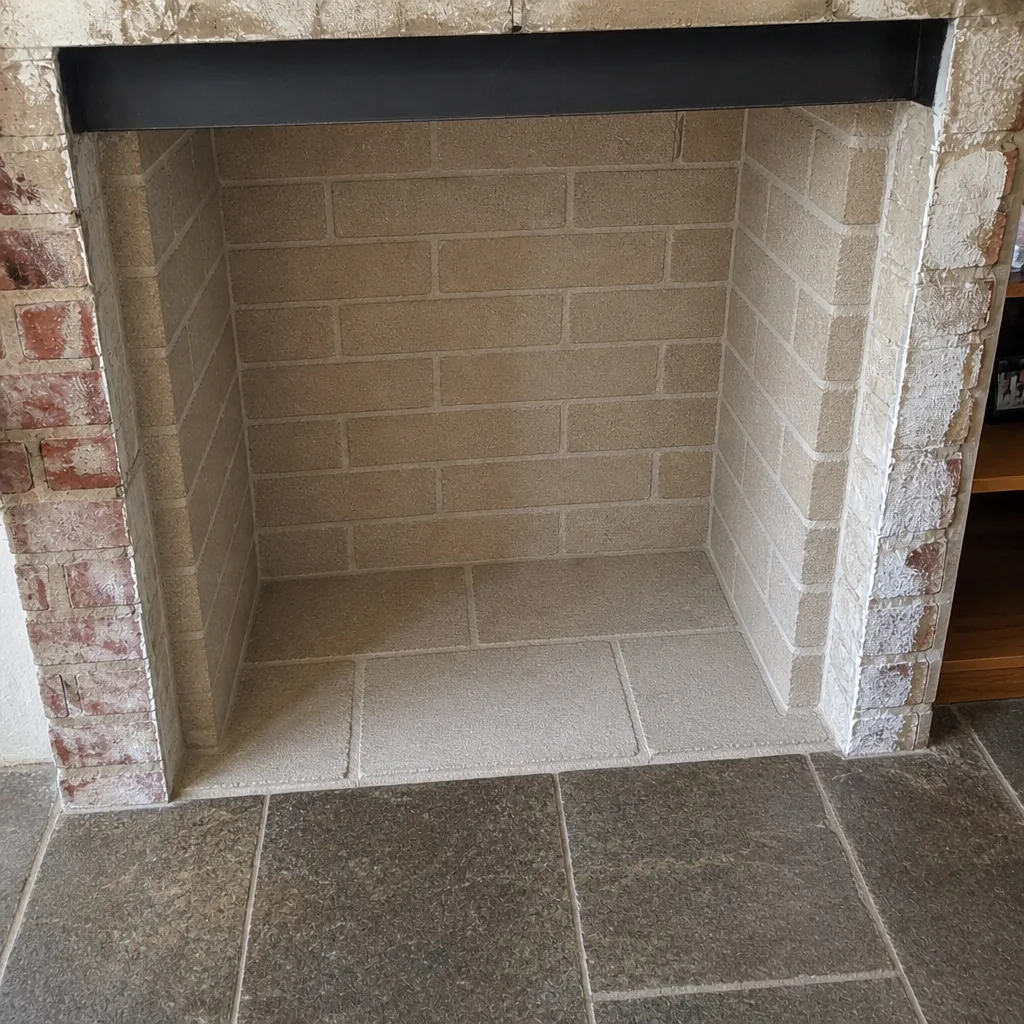
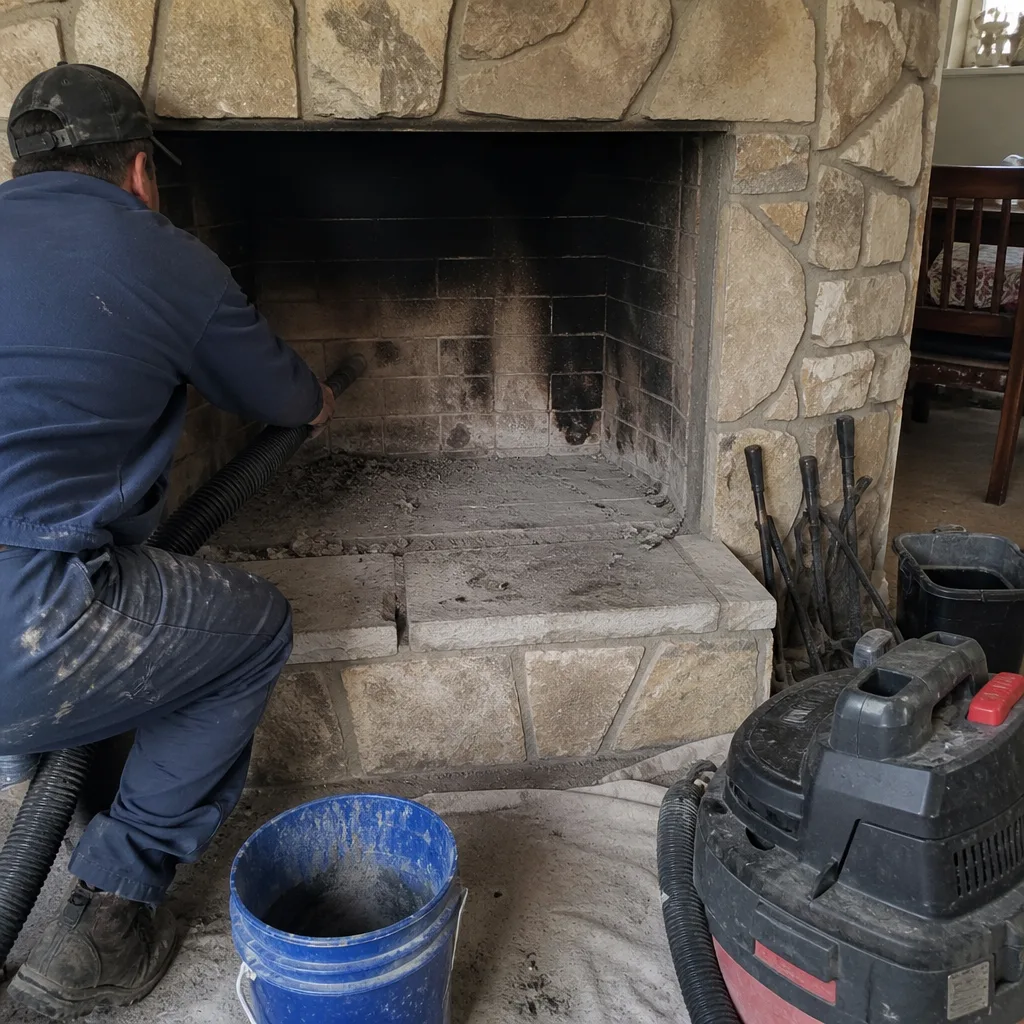
See the difference
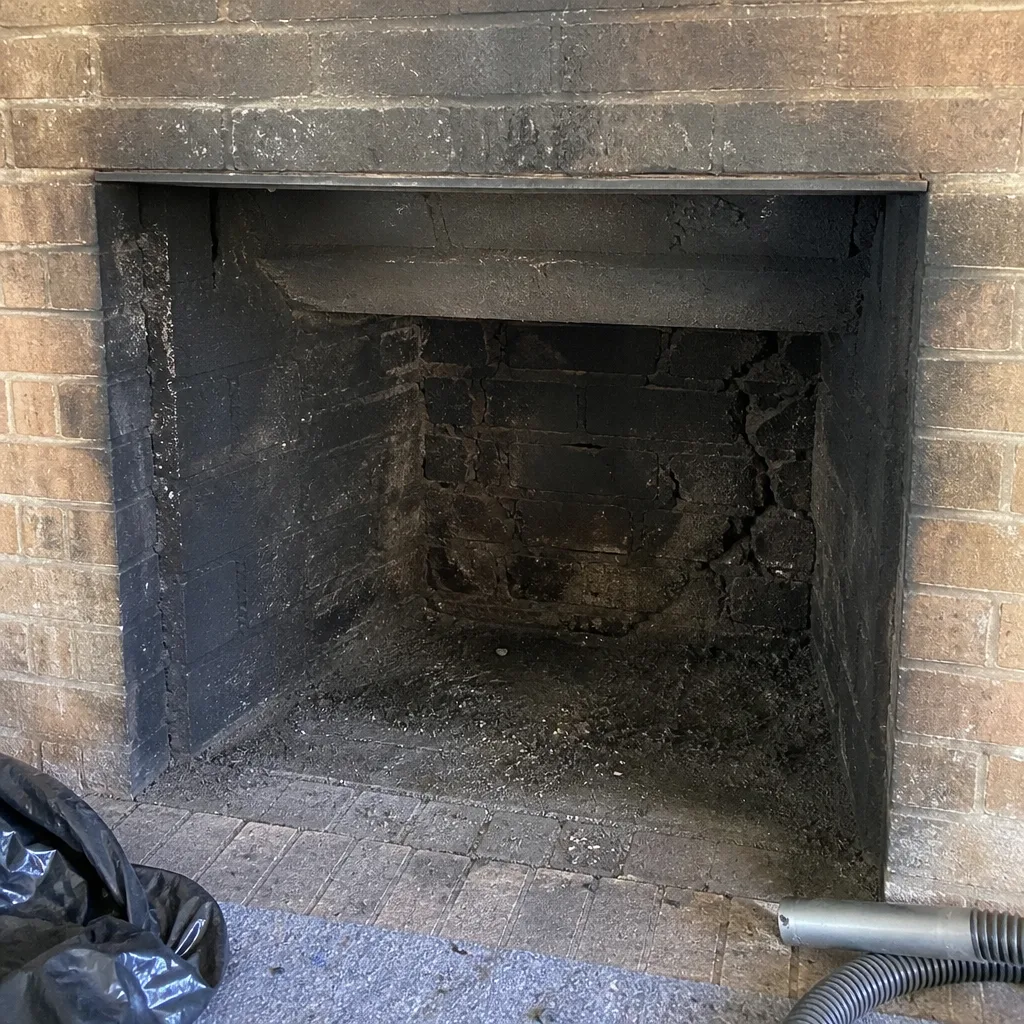 Before
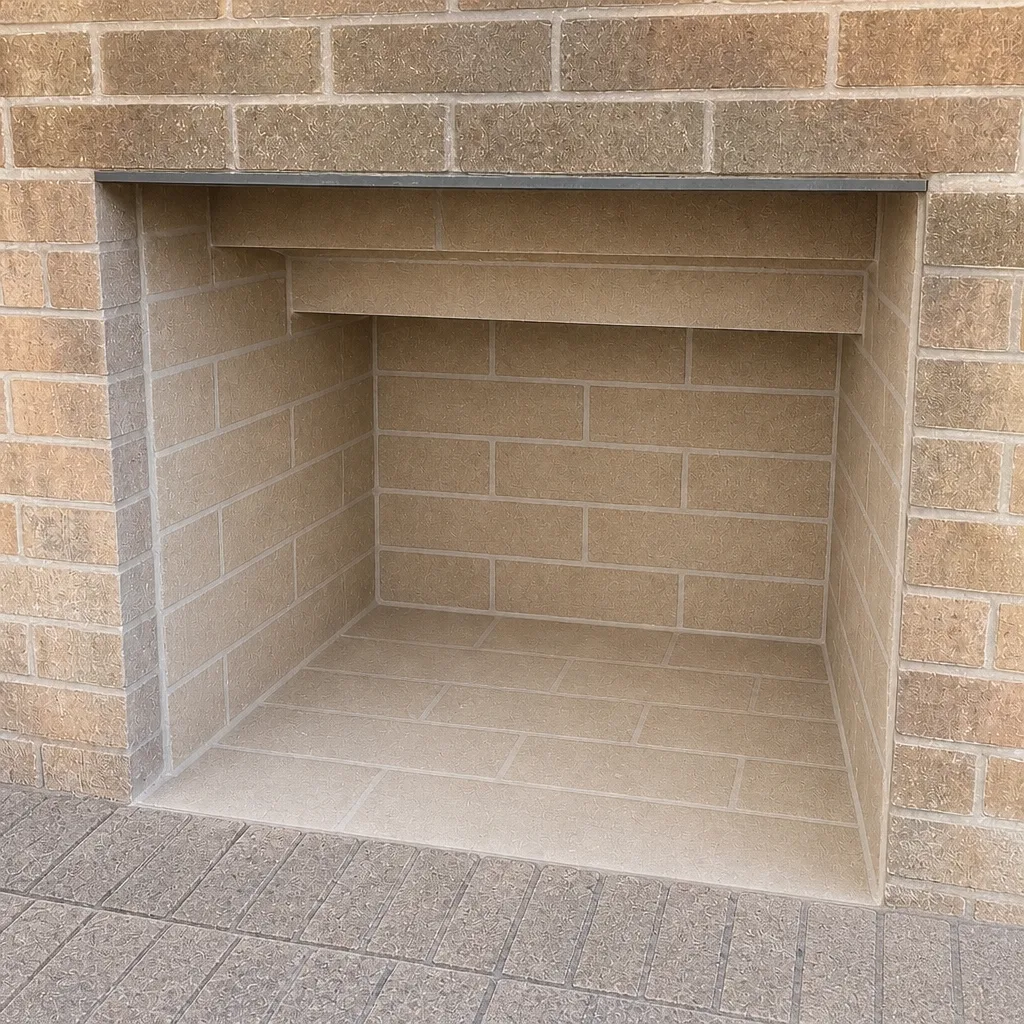 After
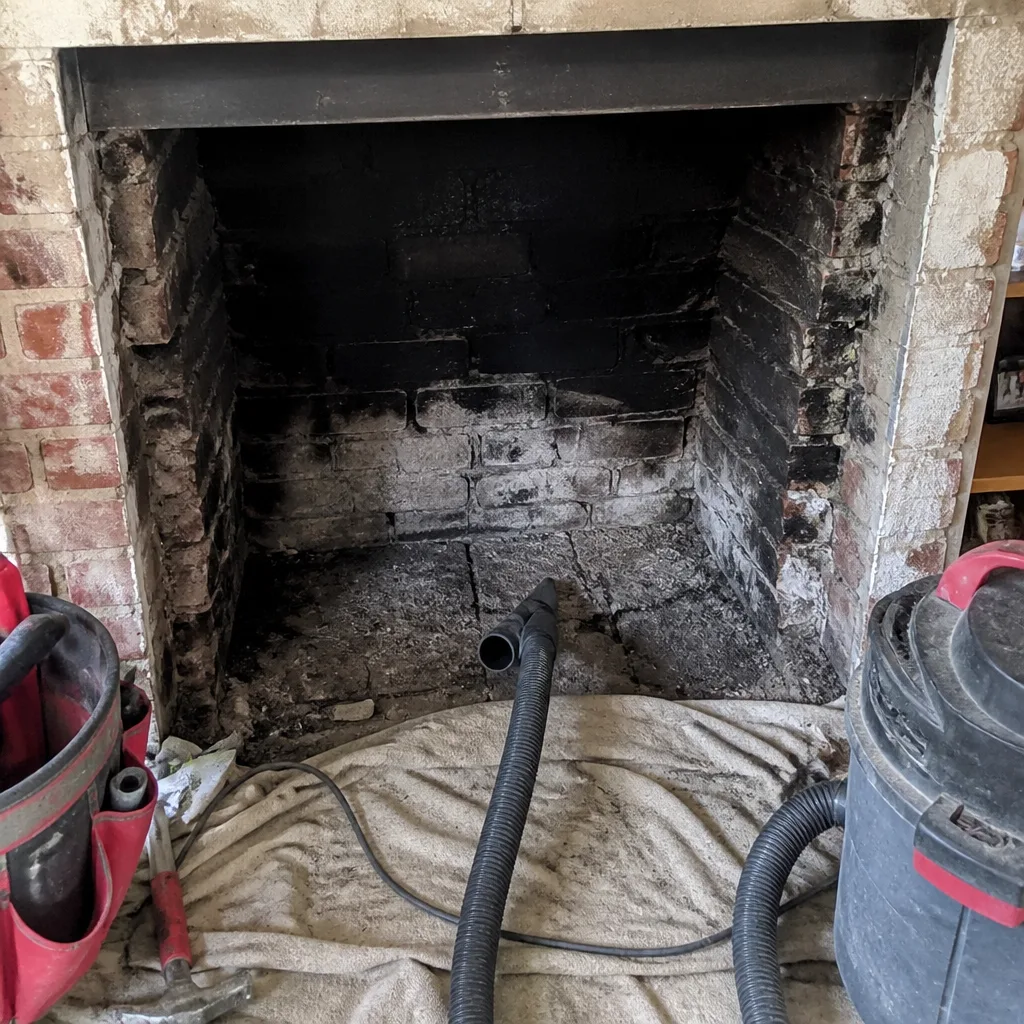 Before
 After
 Before
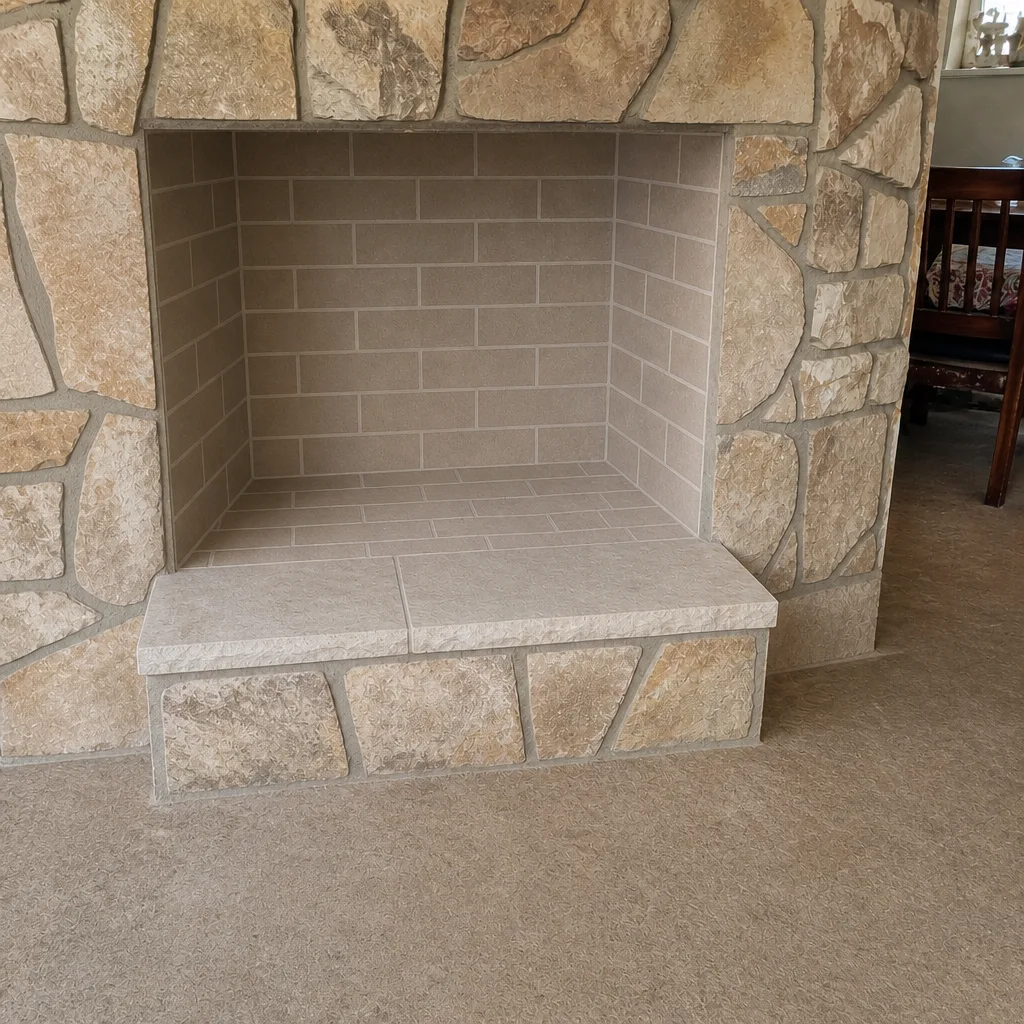 After