
Last updated November 14, 2026
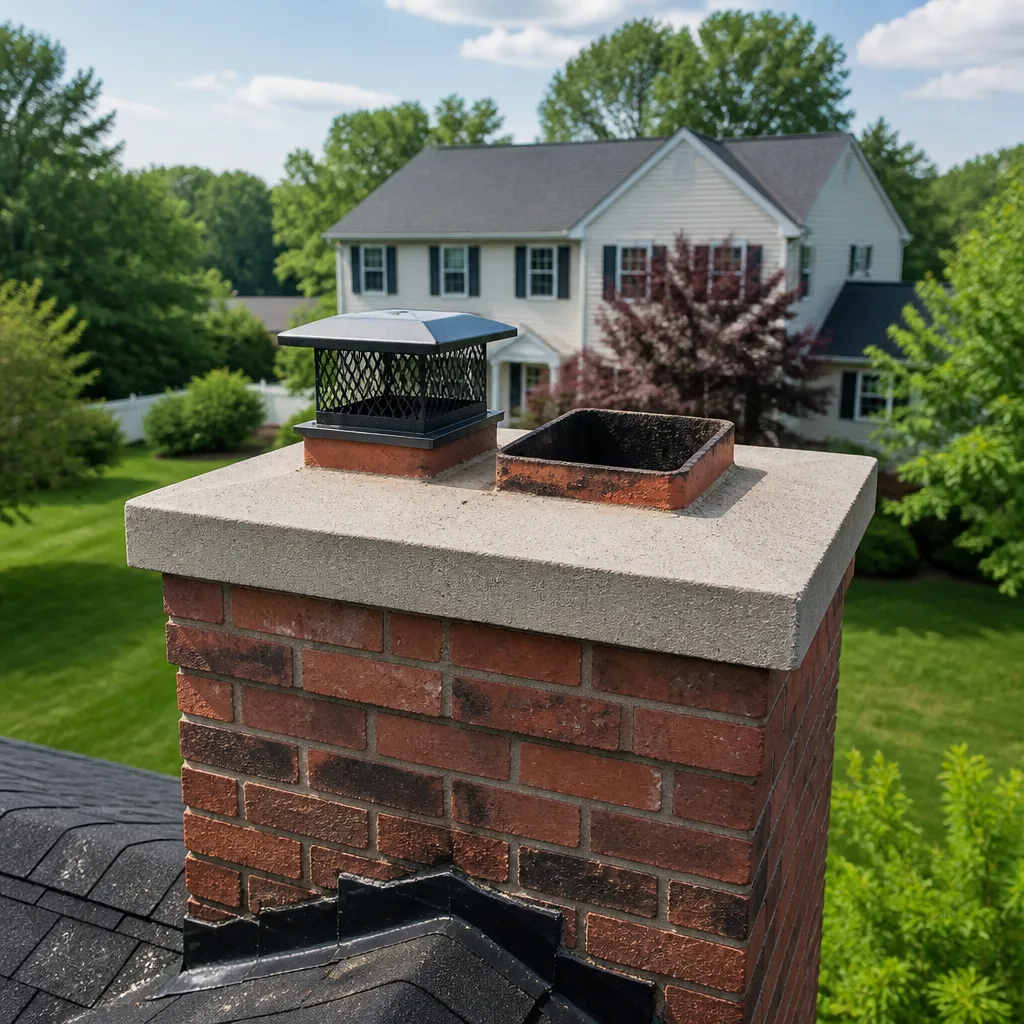 Sweep & inspection
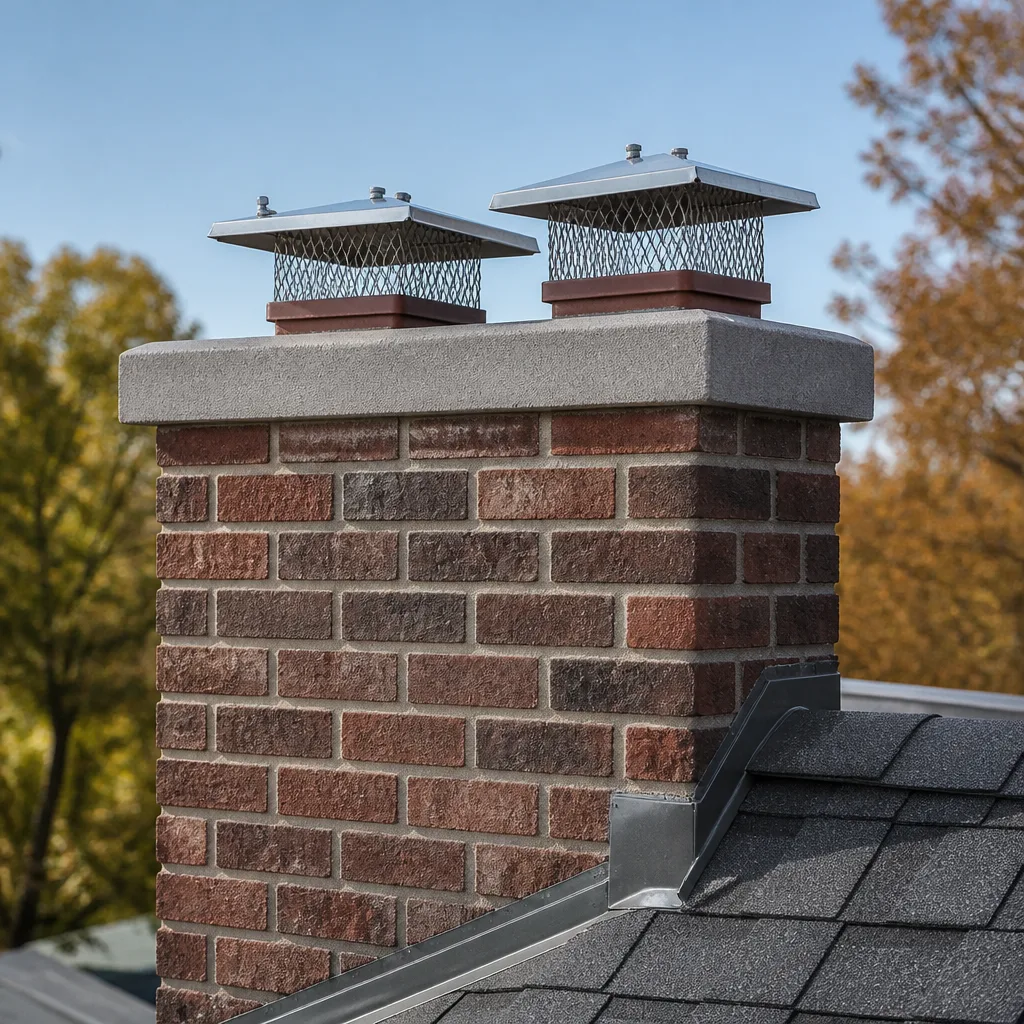 Caps & crowns
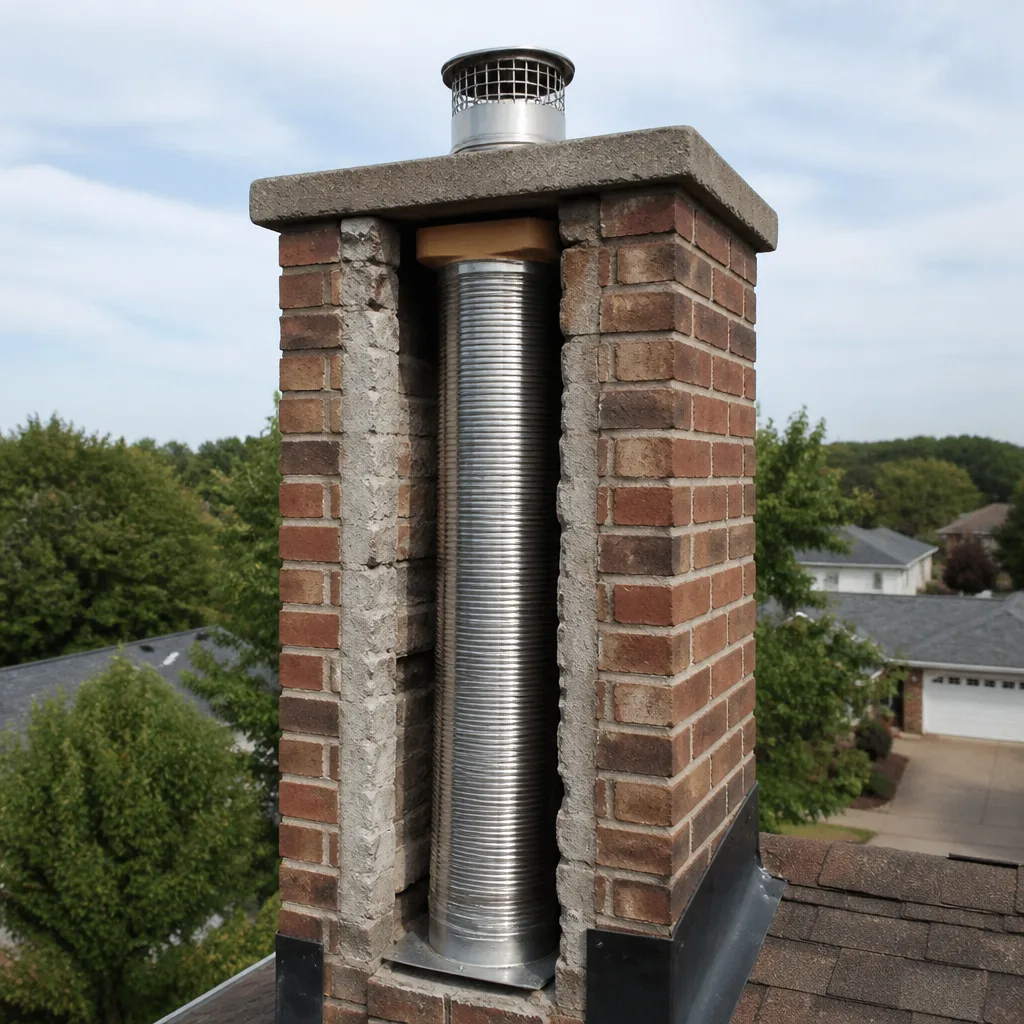 Flue relining
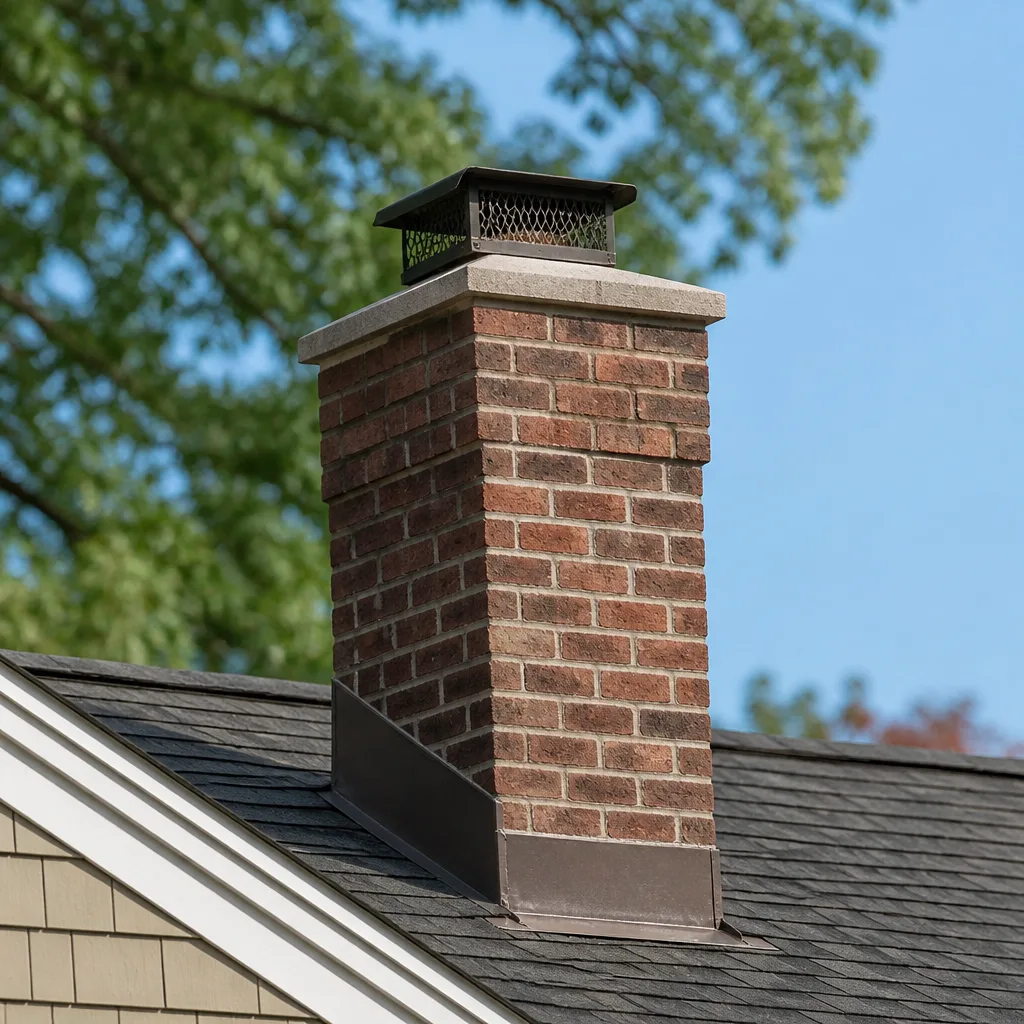 Masonry repair
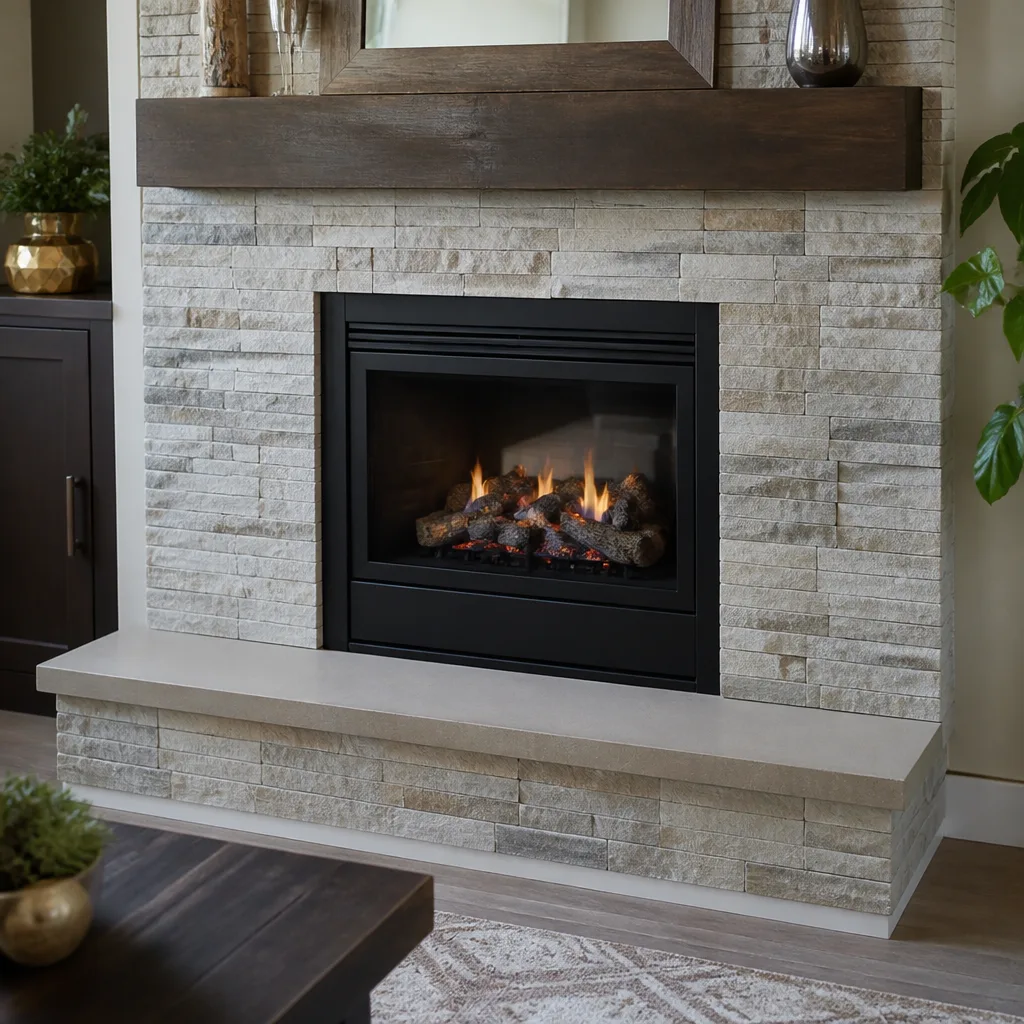 Gas fireplace service
Level 1 sweep and inspection to the NFPA 211 annual standard - flue, crown, cap, and flashing checked and photographed
Chimney sweep logs do not sweep chimneys. They loosen some creosote - which then falls where a brush and vacuum still have to collect it.
How to Hire a Chimney Cleaning Contractor in Wichita Falls: A Step-by-Step Guide
CSIA certification takes roughly 60 hours of study and a proctored exam. Texas has no state licensing requirement for chimney sweeps. Put those two facts together and you get the situation every Wichita Falls homeowner faces: anyone with a brush, a ladder, and a truck can legally advertise “chimney cleaning” here. The certification that separates a safety professional from a generalist is voluntary. That means the filter is you, and the filter works only if you know what to ask. This guide gives you the exact questions, the verification steps, and the contract terms that separate a real chimney professional from a pressure washer with a side hustle. By the end you’ll know how to hire in Wichita Falls with confidence.
Quick Answer
To hire a chimney cleaning contractor in Wichita Falls, verify CSIA certification independently through the CSIA website, ask five diagnostic questions about combustion byproducts and inspection level, insist on a camera inspection with photos you can see, and get a written scope of work before anyone touches your flue. Texas doesn’t license chimney sweeps, so certification and documentation are your only real protections.
Styles & brands we work with
- Sweep & inspection
- Caps & crowns
- Flue relining
- Masonry repair
- Gas fireplace service
Table of Contents
- Why Certification Matters More in Texas Than Anywhere
- How to Verify CSIA and NFI Credentials Independently
- Five Questions That Reveal a Real Chimney Professional
- Why the Lowest Bid Usually Costs More
- What a Legitimate Service Agreement Must Include
- Red Flags Specific to Wichita Falls
- The Step-by-Step Hiring Process
- What Happens After the Sweep
Why Certification Matters More in Texas Than Anywhere
Texas does not license chimney sweeps. There is no state exam, no state registry, no state disciplinary board. In states that do license this trade, a homeowner has a government database to check. In Wichita Falls, you have a business card and whatever the contractor tells you. That asymmetry is the single most important thing to understand before you hire anyone.
The voluntary credential that fills this gap is CSIA certification, issued by the Chimney Safety Institute of America. It requires roughly 60 hours of study and a proctored exam, plus continuing education to maintain. A second credential worth asking about is NFI certification from the National Fireplace Institute, which covers hearth appliance installation and venting knowledge. Neither is legally required in Texas. Both signal that a technician invested in understanding what happens inside a flue, not just how to push a brush through it.
Why does the knowledge matter so much? Because a chimney is a combustion system, and combustion produces byproducts that damage the system over time. Creosote accumulates in stages, from a light soot to a hardened, tar-like glaze that ignites at high temperature. A cracked tile liner lets carbon monoxide move into the living space instead of up the flue. A flue cap knocked loose in a spring windstorm becomes an open door for birds and squirrels. A sweep who only removes surface soot can’t see any of these problems. A certified sweep is trained to look for all of them.
In our experience, the difference between a certified technician and a generalist shows up in the diagnosis. One cleans and leaves. The other cleans, inspects, and tells you plainly what the flue needs and when it can safely wait. That’s the standard we hold ourselves to at Lionheart Chimney Sweep, and it’s the standard you should demand from any contractor in Wichita Falls.
How to Verify CSIA and NFI Credentials Independently
Don’t take the business card at face value. A logo on a truck decal costs nothing to print. Verification takes five minutes and is the single highest-value step in this entire guide.
Here’s the process:
- Ask for the technician’s name and certification number before booking. A legitimate certified sweep will provide this without hesitation. Hesitation is itself an answer.
- Look up the name in the CSIA’s public certified professional database on the CSIA website. The database is searchable by name, state, and ZIP code. If the name doesn’t appear, the certification isn’t current. CSIA certification requires renewal with continuing education, so an expired listing means the technician hasn’t kept up.
- Ask which specific individuals on the crew hold certification, not just the company. A company can advertise “CSIA certified” while sending an uncertified helper to do the actual work. Ask who will be inside your home.
- For NFI, ask which hearth categories the certification covers. NFI credentials are category-specific: wood, gas, pellet, or venting. Match the category to your appliance. A gas insert needs someone with gas hearth knowledge, not someone who only works on wood fireplaces.
- Ask about continuing education. CSIA and NFI both require ongoing training. A certified technician should be able to tell you when they last completed it.
One honest note about credentials: certification is a floor, not a ceiling. It confirms baseline knowledge. It doesn’t confirm the technician does a camera inspection on every job or documents findings in writing. That’s why the next section exists. Certification gets you to the interview. The questions determine the hire.
Five Questions That Reveal a Real Chimney Professional
Ask these five questions before you book. The answers separate a technician who understands combustion byproducts from one who scrubs surfaces. You don’t need to be a chimney expert to evaluate the responses. You just need to notice who answers with specifics and who answers with reassurance.
1. “Do you do a camera inspection, and will I see the photos?”
A camera inspection is the difference between guessing and knowing. The camera goes up the flue and shows the actual condition of the liner: cracks, gaps, creosote glazing, and obstructions. Any sweep who doesn’t offer one, or who offers it as an upsell, is skipping the part that actually protects you. Ask whether the photos come with the written report. If the answer is vague, move on.
2. “How do you distinguish the three degrees of creosote?”
Creosote accumulates in three stages, from light soot to hardened glaze. Glazed creosote is the dangerous kind because it’s difficult to remove and it fuels chimney fires. A real professional can explain how they handle each stage. A generalist will say “we clean it all the same way.” That answer tells you they don’t recognize the hazard.
3. “What inspection level will you perform, and why?”
The chimney trade recognizes three inspection levels: Level 1 for routine service of an unchanged system, Level 2 for a changed or newly purchased system or after an event like a chimney fire, and Level 3 for investigation of a known hazard. A real professional will name the level, explain why it fits your situation, and tell you if you need a higher one. If they don’t know the levels exist, they don’t inspect to a standard.
4. “Will you check the flue cap and the exterior termination?”
The top of the chimney matters as much as the firebox. A missing or damaged cap lets water, birds, and squirrels into the flue. A damaged crown lets water into the masonry. An exterior termination that isn’t properly sealed invites problems. Ask whether the visit includes the cap and the exterior. A sweep who only works from the firebox is doing half the job.
5. “What materials and products do you use?”
Professional sweeps source through chimney trade distributors, not hardware stores. Ask what liner and resurfacing products they use. A real professional will name systems like DuraFlex stainless flexible liners or HeatShield ceramic flue resurfacing without prompting. These are professional-tier products used by certified specialists, and the answer tells you whether the contractor is a specialist or a generalist. We use DuraFlex and HeatShield because they’re the systems the trade actually specifies.
Why the Lowest Bid Usually Costs More
The lowest bid for chimney cleaning in Wichita Falls almost always comes from someone who will skip something important. The economics are simple: a camera inspection takes time, checking the flue cap requires going up, and documenting findings in writing costs effort. A generalist who’s competing on price can’t afford any of it, so they don’t do it.
Common shortcuts that hide behind a low price:
- No camera inspection. The flue is cleaned blind. Cracks and glazing go unnoticed until they cause a problem.
- No flue cap removal. Animal intrusion is one of the most common things a sweep finds in a flue that’s been sitting. A sweep who never checks the cap can’t find it.
- No written report. Verbal “you’re all set” gives you nothing to track over the years and nothing to hold anyone to.
- No dedicated drop cloth or containment. Soot moves through a house fast. Professional sweeps set up containment before they start.
- No follow-up trigger. A real service agreement names what would trigger a return visit: a crack, a glaze, an inadequate liner. If nothing is in writing, nothing triggers it.
There’s a fair-price middle ground. A chimney sweep in Wichita Falls is not the cheapest home service, and it shouldn’t be. What you’re paying for is the inspection, the camera evidence, the written findings, and the technician’s judgment about what can wait and what can’t. When you compare bids, compare what’s included, not just the number at the bottom.
The other thing to know: a sweep who tells you honestly that your flue is fine and doesn’t need any work this year is worth keeping. That’s the technician you’ll hire again. A sweep who finds a problem on every single visit is telling you something about their business model, not your chimney.
What a Legitimate Service Agreement Must Include
A chimney sweep is a safety service, and safety services should be documented. Before anyone starts work, a real contractor will put the following in writing. If a contractor won’t, that’s your answer.
Scope of work
The agreement should state exactly what will be done: which appliance is being serviced (fireplace, wood stove, or gas insert), which flue, and whether the scope includes the flue cap and exterior termination. It should also name the inspection level that will be performed and why. Vague language like “chimney cleaning” is not a scope.
Materials and products
If repair or resurfacing work is part of the job, the agreement should name the products. DuraFlex liner systems, HeatShield resurfacing, and Gelco or Olympia Chimney components are professional-tier materials. A contractor who can’t name what they’ll install can’t be held to a standard, because there isn’t one.
Inspection level and findings
The agreement should state that a camera inspection will be performed and that you’ll receive photos along with a written report. The report should describe the condition of the flue in plain language and specify what was found, including anything found at the cap and the exterior.
What triggers a follow-up
This is the piece most people miss. The agreement should say what conditions would require a return visit or a repair, so you know the difference between a finding that can safely wait a season and one that can’t. Cracked tile in the liner, glazed creosote, and an undersized or damaged liner are the usual triggers. Having them named in the agreement means no one has to sell you on the follow-up later. The evidence does the talking.
Price, per job by written estimate
The final price should be set by a written estimate that you have in hand before work begins. Anything outside the estimate should require a new conversation and a new written estimate. The estimate is free.
Red Flags Specific to Wichita Falls
This region gets hail and high wind, and after those events the number of door-to-door “chimney repair” offers goes up. Storm-chasing contractors follow the weather. Some of them do legitimate work. Most are there for the week and gone before you’d notice a problem with the repair. Here are the red flags that matter most around Wichita Falls:
- An unsolicited knock at the door after a storm. If someone shows up at your door pointing at your chimney and offering a “today-only” repair, that’s not how legitimate chimney work is sold. A real contractor inspects first.
- A quote given without getting on the roof or using a camera. A chimney repair cannot be quoted from the driveway. If the estimate doesn’t come from an actual inspection, it’s a guess dressed up as a price.
- “We found a lot of damage” with no photos. Any claim about your flue should come with camera evidence you can see. No photos, no claim.
- Pressure to decide on the spot. Chimney repair is not an emergency purchase in most cases. A technician who pushes you to sign today is pushing you toward a decision you can’t evaluate. Go read the estimate. Get a second opinion if you want one.
- No written scope, no verification of certification, no local references. A contractor who can’t produce a scope, a name in the CSIA database, or a customer in Wichita Falls who’ll take a call isn’t a contractor you can evaluate.
- A price that’s dramatically lower than every other bid. See the previous section. The low bid is low for a reason, and the thing left out is usually the inspection.
None of this means every out-of-town contractor is a problem, and none of it means every local one is fine. The filter is the process: verify the certification, require the camera inspection, require the written scope. A real professional welcomes all three. A storm chaser can’t survive them.
The Step-by-Step Hiring Process
Here’s the whole process in one sequence. Work through it in order and the hire takes care of itself.
- Determine what kind of service you need. A routine sweep on a fireplace you use regularly, an inspection on a home you just bought, or a diagnosis after a chimney fire all require different inspection levels. Know which one you’re asking for before you call.
- Call two or three contractors and ask for certification names and numbers. Note who provides them without hesitation.
- Verify each name in the CSIA database and match NFI categories to your appliance. Cross names off the list if they don’t verify, regardless of how good the phone call sounded.
- Ask the five diagnostic questions from this guide. The responses will sort the list fast.
- Require a camera inspection on every estimate for repair work. For a routine sweep, ask whether the inspection is included and whether photos come with it.
- Get a written scope of work and a written estimate before booking. Read what’s included, not just the price. Confirm the inspection level and the materials named.
- Book the sweep. Confirm who will be in your home and whether that person is certified.
- Review the report and photos after the visit. Ask the technician to walk you through the findings. Ask directly what can safely wait and what can’t. A real professional will tell you.
- Keep the report for the next visit. Chimneys change slowly, and a record of what was found this time is the baseline for next time.
We’ve built our chimney sweep around this sequence because it’s the sequence that protects the homeowner. Camera inspection and photo report come standard, findings are documented, and nothing is recommended that the evidence doesn’t support. When we find something that needs repair, we fix it in the same visit rather than handing you off to a subcontractor, because we handle repair in-house alongside cleaning. One visit, one diagnosis, one fix.
What Happens After the Sweep
The sweep is the beginning of the relationship, not the end of it. A good visit produces a report, and the report should tell you three things: what was found, what it means, and when to come back.
What was found. The report should describe the flue condition in plain language. If the liner is sound, it should say so. If there’s a crack, a gap, or glazing, it should name it and show you the photo. If the cap is damaged or missing, it should be in the report. If the crown is cracked, it should be in the report. If nothing was found, the report should say that too.
What it means. Findings should come with a plain assessment of urgency. A small amount of light soot at the firebox is normal. A cracked tile in the liner is not normal and shouldn’t wait. Glazed creosote is a fire risk and shouldn’t wait. An animal nest in the flue is a carbon monoxide risk and shouldn’t wait. A damaged cap is a problem but often can be scheduled. A real professional will tell you which is which, and will tell you when work can safely wait. That’s not a sales tactic. It’s the truth about your system.
When to come back. The general rule is that a chimney should be inspected annually and swept as needed. How often it actually needs sweeping depends on how much you burn and what you burn. A fireplace used several times a week through the season needs more frequent attention than one used a few times a year. A gas insert has different needs than a wood-burning stove. Your technician should tell you what interval fits your use, based on what they saw.
If repair work is recommended, it should be backed by the camera evidence and the report. If the recommendation is for a liner replacement, the technician should be able to show you the condition that requires it. We install DuraFlex flexible liner systems and apply HeatShield flue resurfacing, and we don’t recommend either without the photos that justify it. If you have a report from another contractor and you want a second look, that’s a fair thing to ask for. Any real professional will welcome it.
One more point about scope. Fireplace and flue are the obvious fire-safety concerns in a home, but they aren’t the only ones. Dryer vents are a leading cause of home fires, and most chimney-only companies don’t touch them. Our dryer vent cleaning line exists because the same trained technician can inspect and clean a dryer vent in the same visit as the chimney. One call, two systems. If you’ve never had your dryer vent cleaned, it’s worth asking about when you book.
Common Mistakes to Avoid
- Hiring on price alone. The lowest bid almost always leaves out the camera inspection, the flue cap check, or both. Compare what’s included, not the number at the bottom of the page.
- Taking certification at face value. A logo on a truck proves nothing. Look the name up in the CSIA database. It takes five minutes and it’s the single best protection you have in a state without licensing.
- Skipping the camera inspection on repair work. A repair quoted without a camera inspection is a guess. Any contractor who quotes chimney repair from the driveway is telling you they don’t inspect.
- Saying yes to a door-to-door offer after a storm. Hail and wind bring out storm chasers. A legitimate contractor inspects before quoting and doesn’t ask for a decision on the spot.
- Never asking about the flue cap and exterior. Animal intrusion and damaged crowns are among the most common findings, and they live at the top of the chimney. A sweep who never checks isn’t looking.
- Keeping no record of the report. A comparison point matters. Keep every report and photo so you can see whether anything changed between visits.
- Ignoring the dryer vent. A clean chimney doesn’t offset a clogged dryer vent. Ask about both systems in the same visit.
See the difference
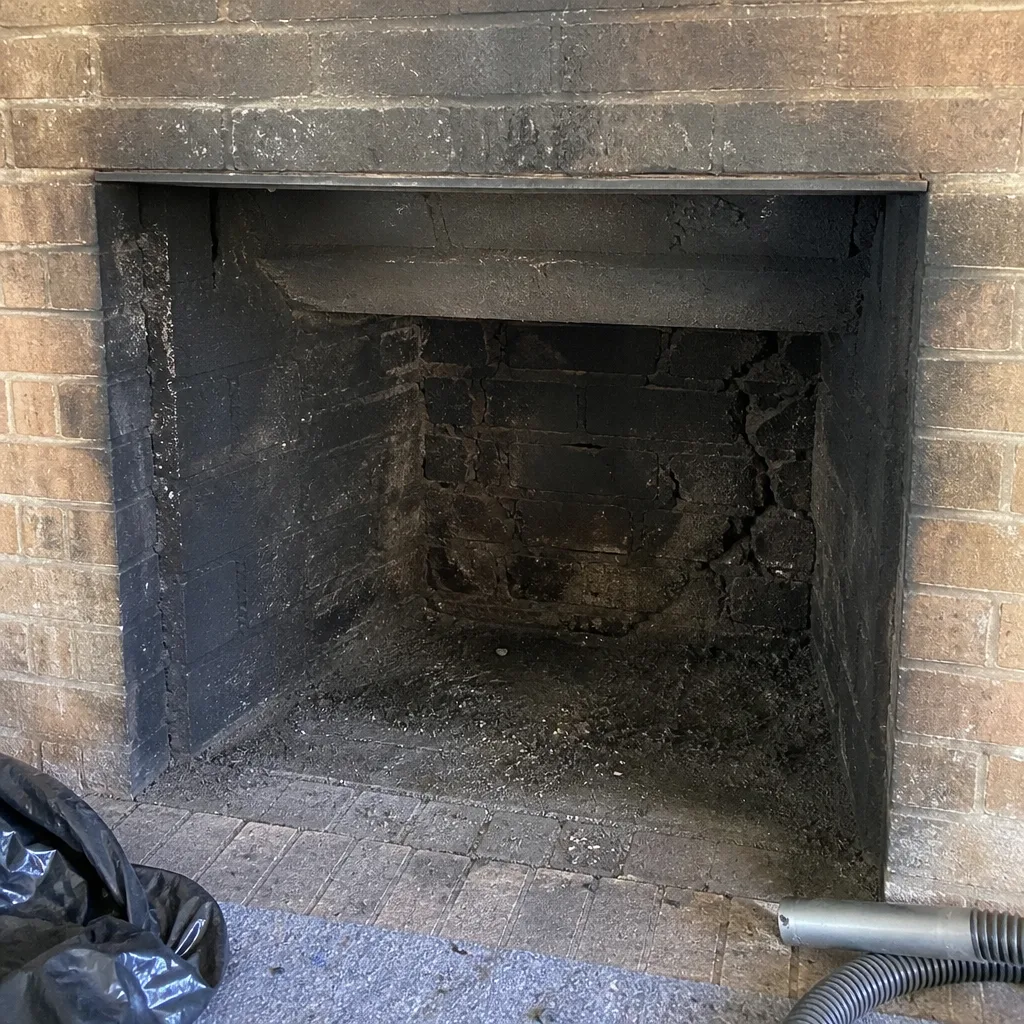 Before
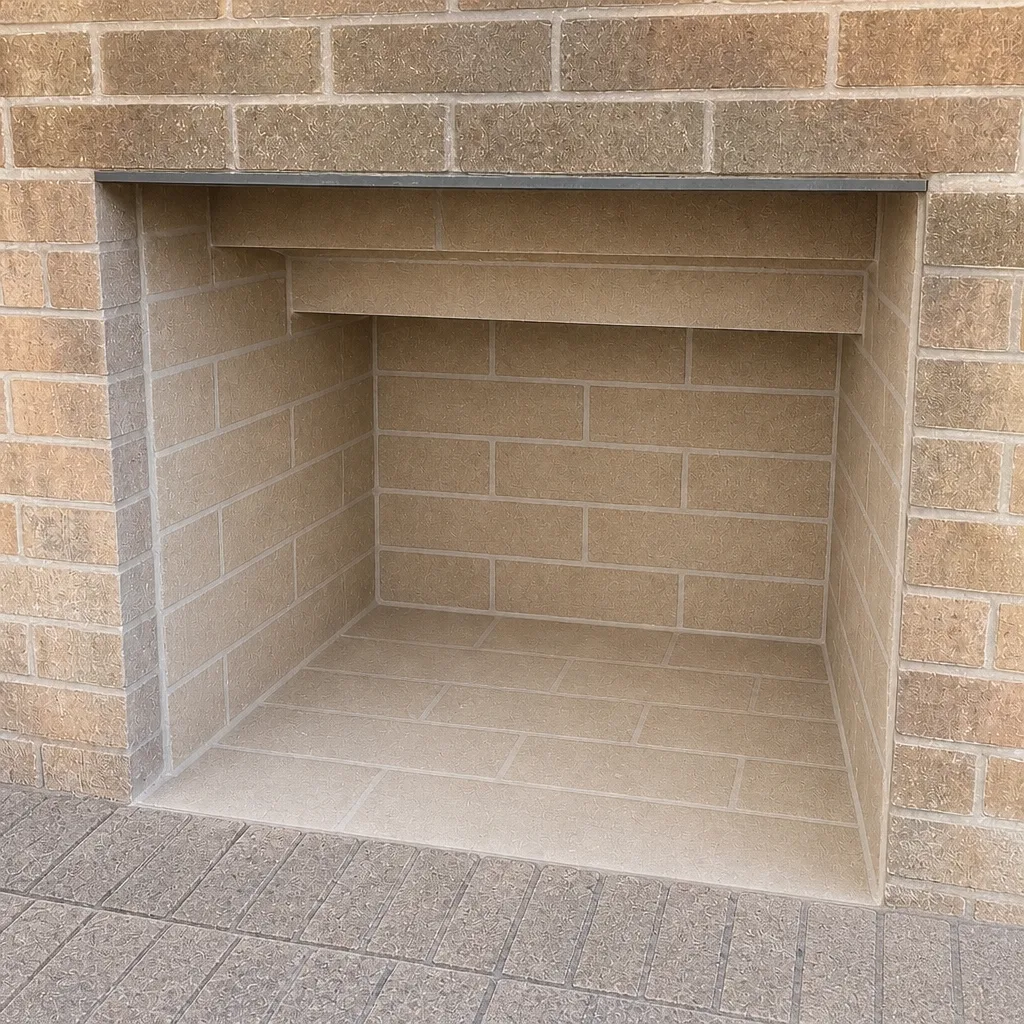 After
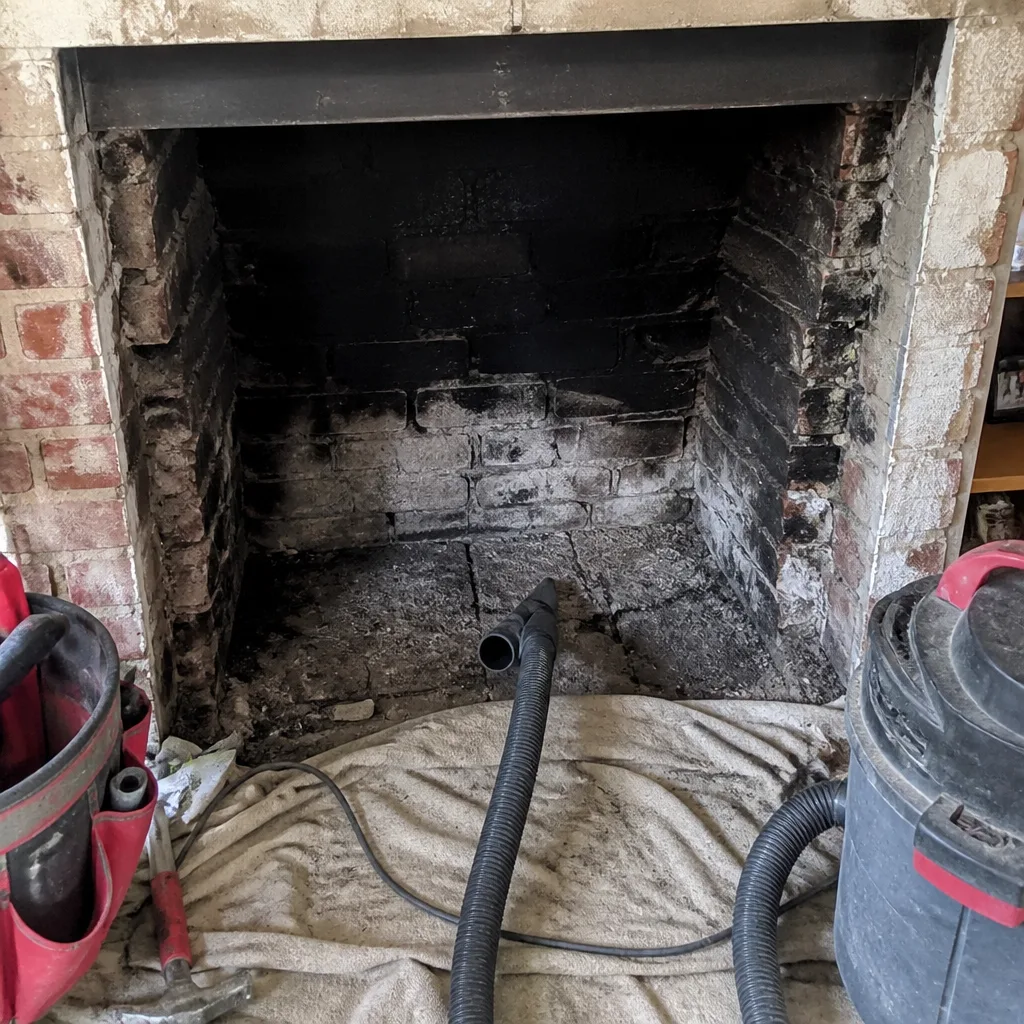 Before
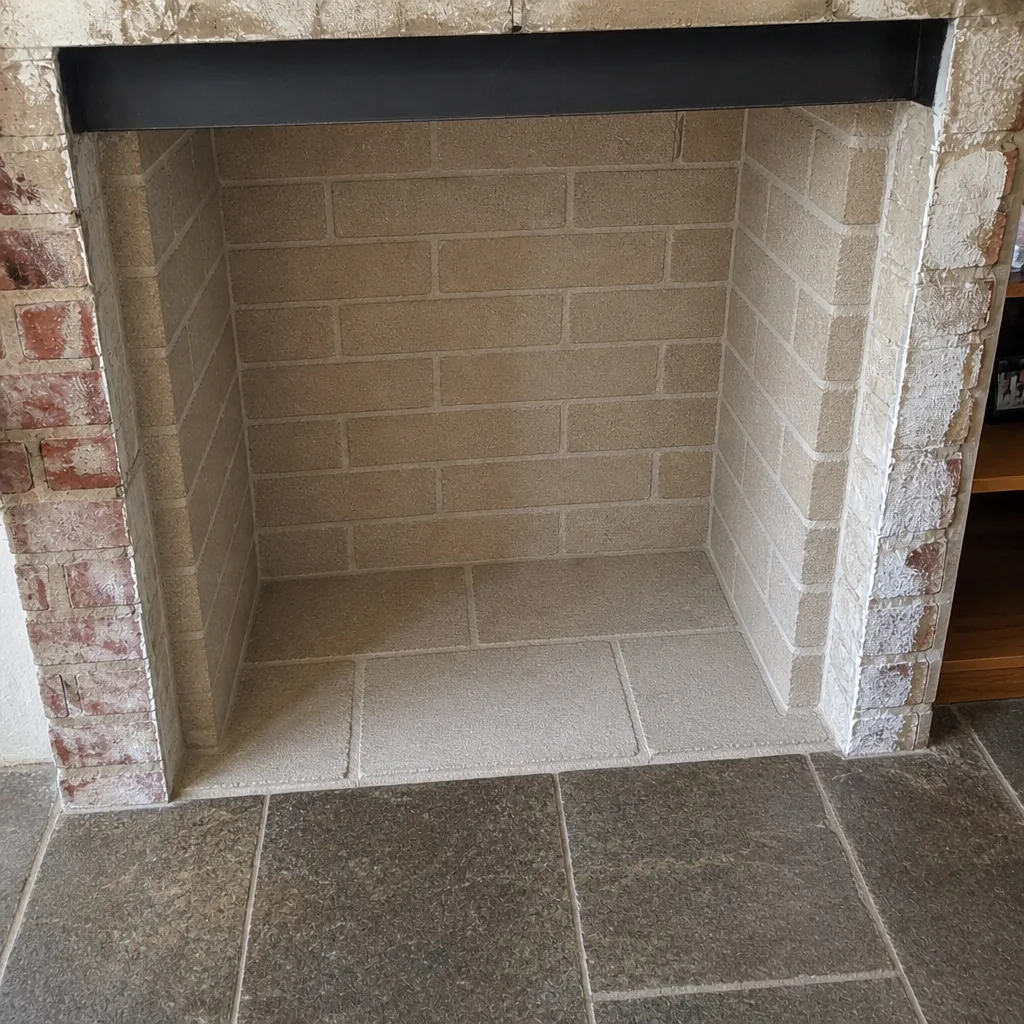 After
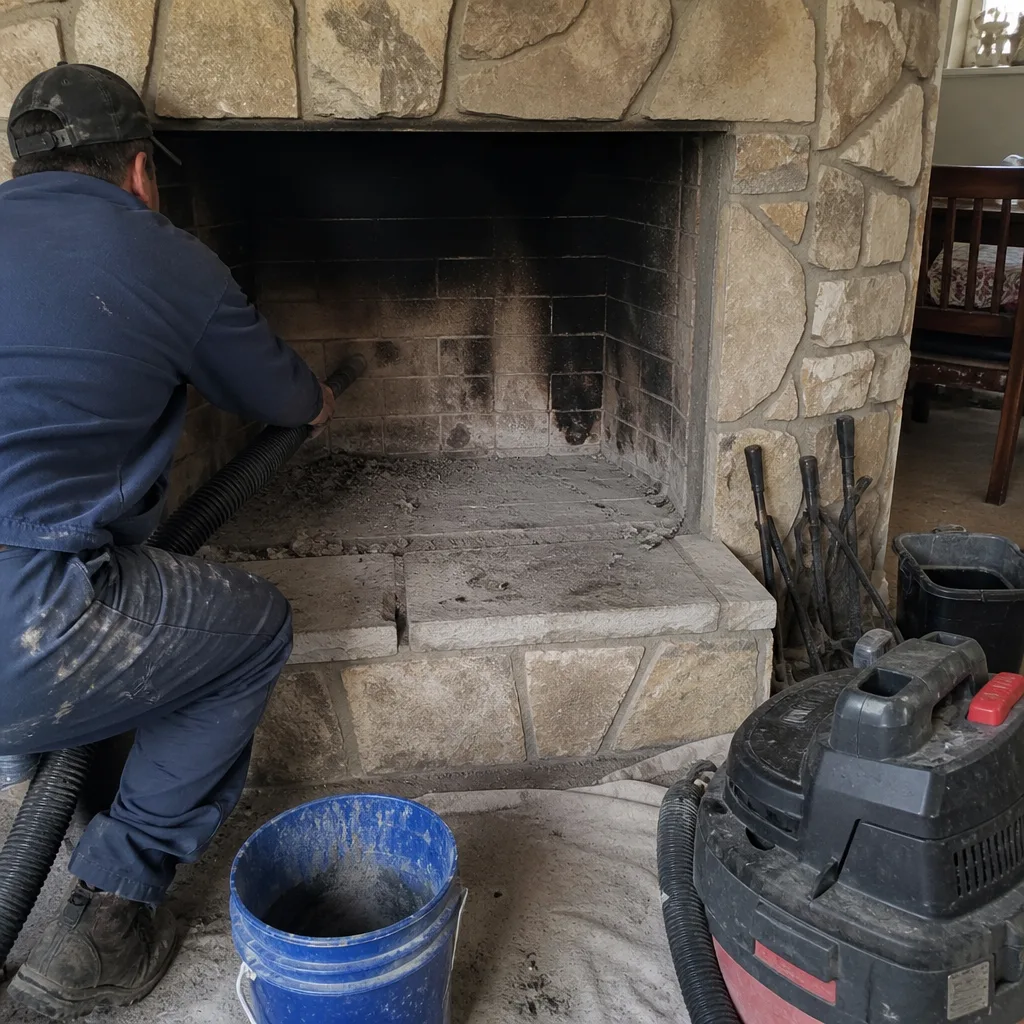 Before
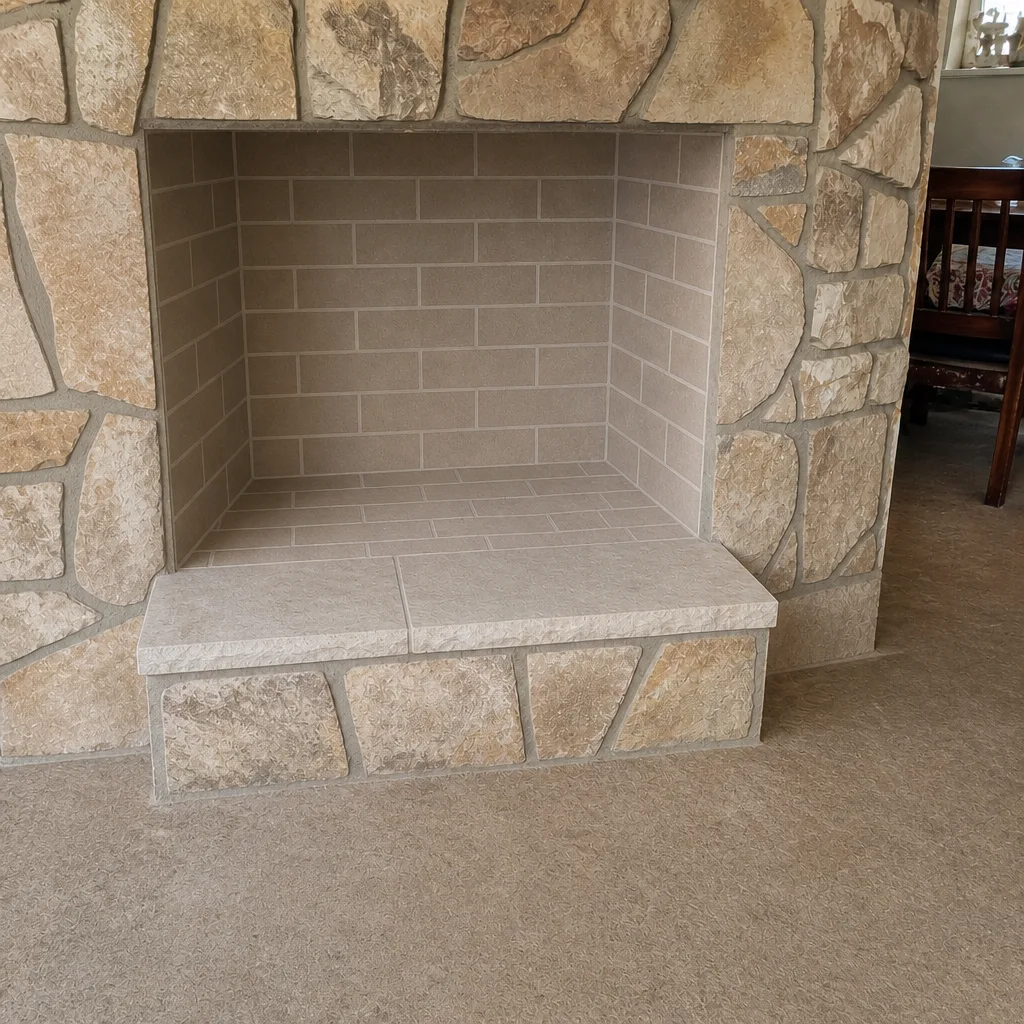 After
When to Call a Professional
Call a professional sweep if any of the following is true: you’ve just bought a home in Wichita Falls and don’t know the condition of the flue; you’ve had a chimney fire, even a small one; you notice smoke coming into the room instead of up the flue; you smell creosote or smoke between fires; you see water staining around the firebox or on the masonry; you’ve never had the chimney inspected and you use the fireplace regularly; or you’ve found birds, squirrels, or nests in or near the flue. Any of these is a reason to book a visit, not a reason to wait for the next seasonal reminder.
The specific case worth naming: if you use the fireplace or stove through the heating season, an annual inspection is the baseline. Sweeping frequency depends on use, and your technician should tell you the interval that fits. Don’t guess at it. The cost of an inspection is small compared to what a blocked or cracked flue can do.
Lionheart Chimney Sweep offers free estimates in Wichita Falls. We answer 24/7, with fast dispatch from 7am to 7pm, Sunday through Friday. Call (855) 705-9859 and we’ll talk through what your chimney needs.
Frequently Asked Questions
Chimney sweep pricing in Wichita Falls is set per job by a written estimate, and the estimate is free. The final price depends on the appliance, the flue, and whether an inspection is included. Get the estimate in writing before work begins, and ask what the scope covers. Call (855) 705-9859 for an exact quote, and estimates are free.
Only if the camera inspection shows a condition that requires it, such as a cracked or deteriorated tile liner, gaps that let combustion gases escape, or a liner that’s undersized for the appliance. A liner should never be recommended without the photos that justify it, and you should see those photos yourself. If the evidence isn’t there, the liner isn’t needed. If it is, don’t put it off. A cracked liner is a carbon monoxide risk. Call (855) 705-9859 to book an inspection.
Annual inspection is the baseline, and sweeping frequency depends on how much and what you burn. A fireplace used regularly through the heating season needs more frequent sweeping than one used occasionally. A gas insert has different needs from a wood stove. Your technician should tell you the interval that fits your use based on what they find, and the report should put it in writing. Call (855) 705-9859 if you’re not sure when your chimney was last inspected.
Creosote keeps building in the flue, and it gets harder to remove as it hardens. A blocked or cracked flue doesn’t warn you before it becomes dangerous, and the two hazards are chimney fire and carbon monoxide. Skipping the sweep doesn’t make the flue cleaner. It just means the first symptom may be a serious one. Call (855) 705-9859 to book a sweep, and estimates are free.
No. Texas doesn’t license chimney sweeps, and CSIA certification is voluntary. That’s exactly why it’s worth checking. A certified technician has completed roughly 60 hours of study and a proctored exam and maintained continuing education. You can verify a name in the CSIA database on the CSIA website in about five minutes. If the name isn’t listed, the certification isn’t current.
Yes. Chimney sweeping and dryer vent cleaning are both fire-safety services, and we handle both under one company with the same trained technicians. Dryer vents are a leading appliance-related house fire cause, and most chimney-only companies don’t touch them. Booking both in one visit saves a second appointment and gives you a complete picture of the fire-safety systems in your home. Call (855) 705-9859 to book both.
The Bottom Line
In a state that doesn’t license chimney sweeps, your filter is a process, not a credential on a business card. Verify the CSIA name independently. Ask the five diagnostic questions. Require a camera inspection with photos you can see. Get a written scope that names the inspection level and the products. Don’t hire on price alone, and don’t sign anything a storm chaser puts in front of you after a hail event. The chimney professionals worth hiring in Wichita Falls will welcome all of it. They know a blocked or cracked flue doesn’t warn you before it becomes dangerous, and they’d rather show you the photo than sell you a guess. Our technicians have up to 15 years of experience, and we use professional-grade DuraFlex and HeatShield systems because a fix should outlast the visit that recommended it.
Ready to book? Call (855) 705-9859 for a free estimate. We answer 24/7, with fast dispatch from 7am to 7pm, Sunday through Friday.
If you’re still deciding between a sweep and a full inspection, read more about what a professional Wichita Falls chimney service includes and what we look for on every visit.
Written by the team at Lionheart Chimney Sweep.