
Last updated November 14, 2026
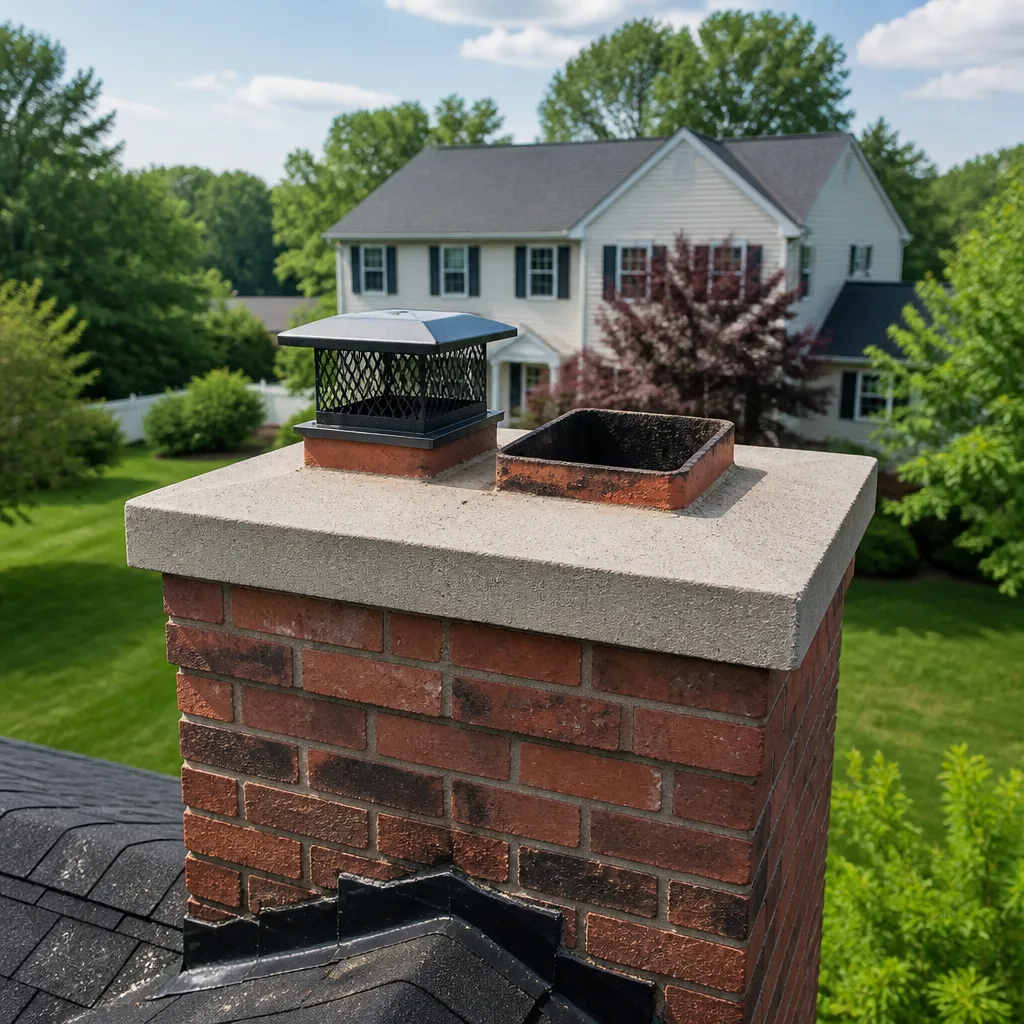 Sweep & inspection
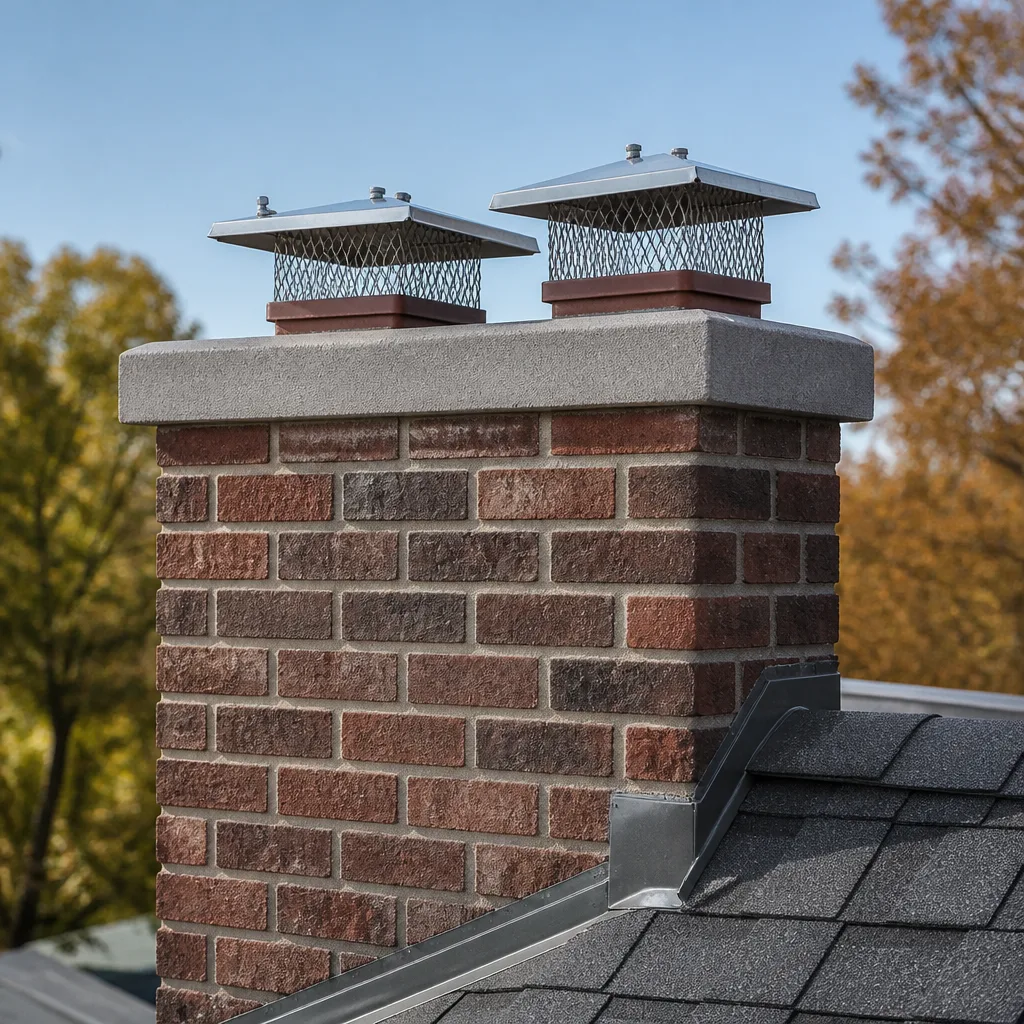 Caps & crowns
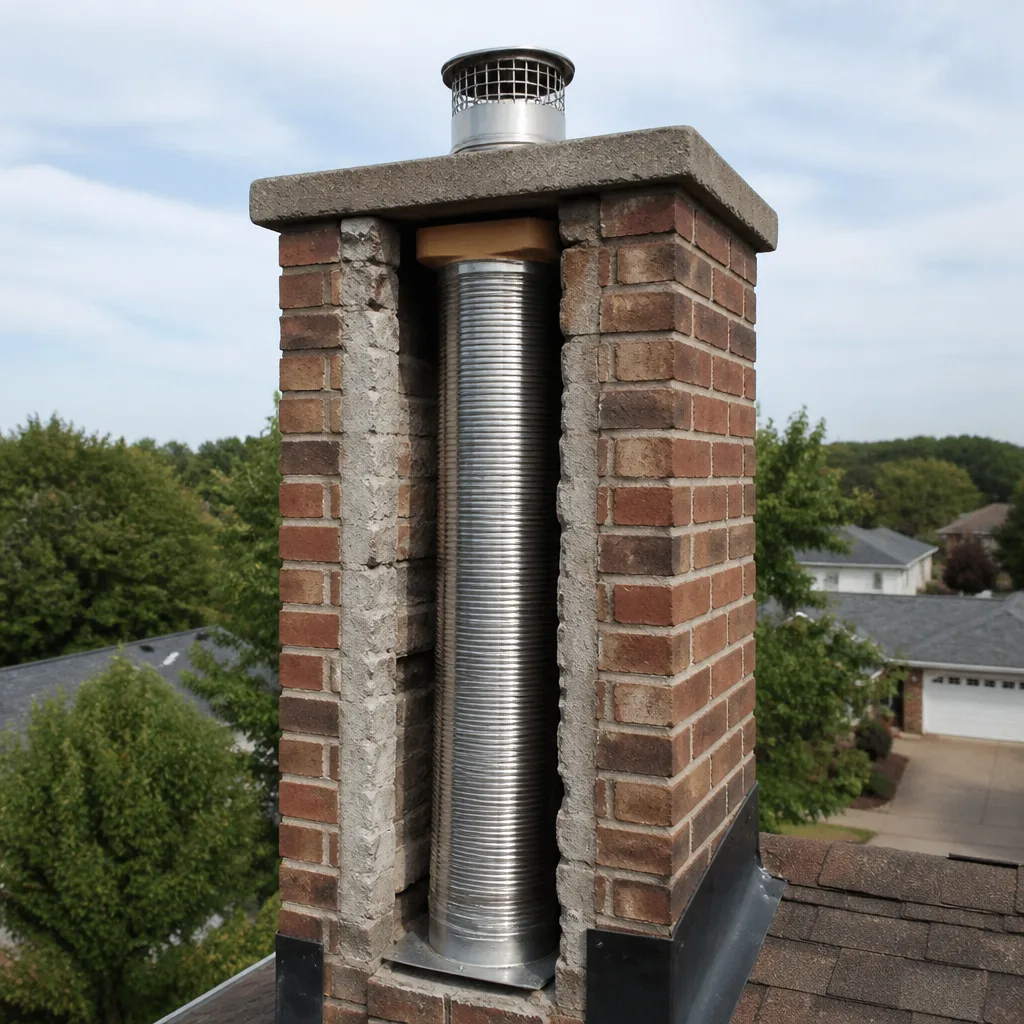 Flue relining
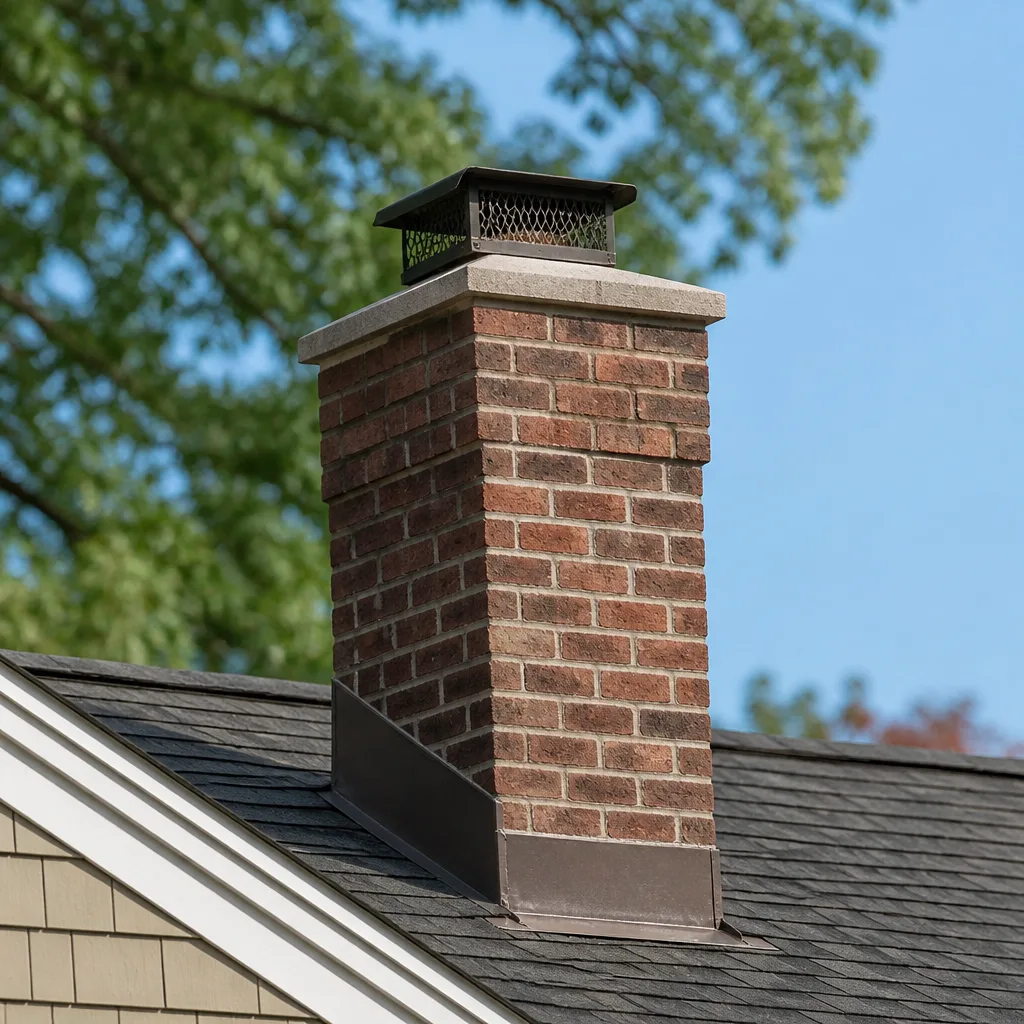 Masonry repair
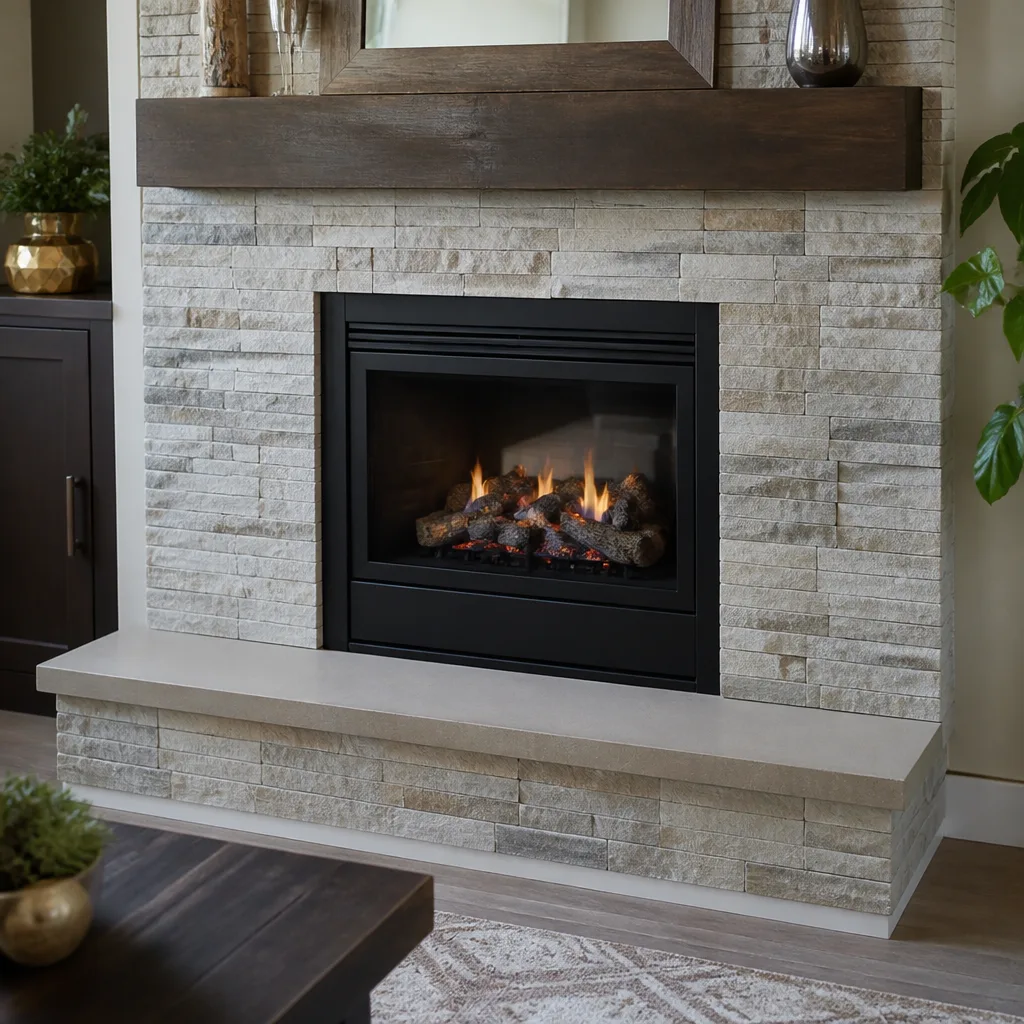 Gas fireplace service
Level 1 sweep and inspection to the NFPA 211 annual standard - flue, crown, cap, and flashing checked and photographed
Chimney sweep logs do not sweep chimneys. They loosen some creosote - which then falls where a brush and vacuum still have to collect it.
Seasonal Chimney Cleaning Care for Wichita Falls: Year-Round Homeowner’s Guide
The chimney problem you find in November usually started in July. Wichita Falls gets long stretches of triple-digit heat through the summer, and that heat is hard on the parts of a chimney no one looks at: the crown on top, the mortar joints, the sealant around the flashing. A crack opens quietly, the fall rains find it, and by the time you build your first fire the flue has been taking on water for weeks. This guide walks through what a chimney actually needs in each North Texas season, how to match a sweep schedule to how much you really burn, and why an early fall appointment beats a rushed one when the first cold front hits.
Quick Answer
In Wichita Falls, a chimney should get one professional sweep and inspection per year, scheduled in late summer or early fall, plus a look at the crown, cap and flashing before storm season and a moisture check in spring if the chimney has taken on water. Homeowners who burn more than a cord of wood or run 40 or more fires a season often need a mid-winter cleaning on top of that annual service. The point of year-round care is to catch the small failures in the off-season, when they’re cheap to fix and safe to schedule.
Styles & brands we work with
- Sweep & inspection
- Caps & crowns
- Flue relining
- Masonry repair
- Gas fireplace service
Table of Contents
- Why Wichita Falls Chimneys Age Year-Round
- Summer: The Off-Season Is the Inspection Season
- Fall: The Priority Window Before First Burn
- Winter: What to Watch During Burn Season
- Spring: Post-Storm Moisture Assessment
- Matching Service Frequency to Your Burn Habits
- The Other Flue: Dryer Vent Cleaning and Fire Risk
- A Year-Round Chimney Calendar
Why Wichita Falls Chimneys Age Year-Round
A chimney is a masonry and metal structure sitting out in the weather 365 days a year, and in our part of Texas that weather swings hard. Summer heat bakes the crown and the mortar at the top of the stack. Fall storms drive rain sideways against caps and flashing. Winter brings the freeze risk that most homeowners think of first, though it’s rarely the biggest culprit around Wichita Falls. Then spring rolls in with the heaviest rain and hail of the year.
Each one of those seasons attacks a different part of the system. That matters because most chimney problems don’t come from the fire itself. They come from water finding a way in and then sitting there.
- The crown is the concrete cap at the very top of the stack. Summer sun and expansion stress open hairline cracks, and once water gets under the crown it migrates into the masonry below.
- Mortar joints soften and erode over repeated wetting and drying, which is exactly what happens in a climate that alternates drought and heavy rain.
- Sealant and flashing around the roof penetration dry out and crack in high heat, and that’s the most common path for water to enter a chimney.
- The flue liner takes the brunt of the creosote and acidic condensation that builds up during burn season, and that wear shows up months later.
None of those failures are dramatic when they start. Hairline cracks don’t announce themselves. That’s the whole case for a year-round approach: you’re checking the parts of the chimney that the fire never touches, and you’re checking them before the season that stresses them arrives.
For homeowners in neighborhoods across Wichita Falls, from older homes near downtown to newer builds on the edges of town, the pattern is the same. The chimney that gets looked at once a year in November is the one that surprises you. The chimney on a seasonal schedule rarely does.
Summer: The Off-Season Is the Inspection Season
Summer is when most Wichita Falls homeowners don’t think about the chimney at all, and that makes it the smartest time to schedule service. The heat is the reason. Long weeks of 100°F-plus days put real stress on the materials at the top of the stack, and those are the materials you can only inspect from the roof. Scheduling a service appointment in the hot months means the parts most likely to fail get eyes on them at the point of maximum wear.
Here’s what we check when we’re on a chimney in July or August:
- Crown condition. We look for cracks, spalling and separation from the flue tile. A crown that’s failing lets water into the masonry, so it’s the first thing we assess.
- Sealant and flashing. The sealant around the chimney at the roofline dries and cracks in high heat. We check it and note anything that needs reapplication before the fall rain.
- Cap integrity. A rusted-through or loose cap lets water and animals straight into the flue. It’s a small component with a large consequence.
- Exterior masonry. We look for loose mortar, spalled brick and efflorescence, the white staining that points to water moving through the masonry.
- Flue condition from the top. A summer look down the flue tells us whether the liner has visible cracks or heavy glaze from last season, before we open the firebox in the fall.
If any of that needs repair, fixing it in summer does two jobs at once. It gets the chimney watertight before the fall storms, and it gets done in a season when scheduling is flexible and there’s no rush. The one thing you should not do in the off-season is skip the interior part of the inspection. Creosote from last winter continues to sit in the smoke chamber and on the damper, and it’s still flammable in July.
Summer is also when we hear the most questions about the flue liner. A professional-grade liner system such as DuraFlex stainless flexible liner is a different animal from a hardware-store piece of flexible duct, and we install the former, not the latter. The summer inspection tells you which one you need. Because our technicians handle repair alongside cleaning, you get both the diagnosis and the fix worked out on the same visit rather than waiting on another contractor.
Fall: The Priority Window Before First Burn
Fall is the season the whole year has been building toward, and it’s also where most Wichita Falls homeowners make the same scheduling mistake. They wait until the first real cold front, then they call. The result is a compressed window between the first cold snap and the first fire, and every chimney in town wants the same appointment at the same time.
If you sweep in September, you’re on a schedule you control. If you wait until late October or November, you’re competing for a slot, and you may end up burning before the chimney has been checked. That’s a risk you don’t need to take. A blocked or cracked flue doesn’t warn you before it becomes dangerous.
The fall service visit is the one that matters most for fire safety. Here’s what it covers:
- Full sweep of the flue. We remove the creosote that built up during last season before it gets a fresh layer on top of it.
- Level 1 inspection. A basic inspection of accessible parts of the chimney, including the firebox, damper, smoke chamber and flue, with a camera where needed.
- Draft and cap check. We confirm the cap is drawing correctly and that nothing’s nested in it or sitting on the flue outlet.
- Crown and flashing review. We pick back up on anything from the summer look that’s still open before the storms get serious.
- Creosote staging. We tell you whether the flue is at normal, moderate or heavy creosote levels, which sets the interval for the next cleaning.
The reason a camera matters here is simple. Creosote and liner cracks are hidden from the naked eye, and we don’t recommend repairs without evidence you can see. If your flue is glazed, you’ll see the glaze. If the tile liner is cracked, you’ll see the crack. That’s part of the chimney sweep standard we hold, and it keeps the recommendation tied to what’s actually in the flue instead of what a service might be able to sell.
One more fall point: this is the ideal time to deal with the two things that decide flue safety, draft and heat. An under-drawing flue sends smoke into the room, and an over-drawing one can overheat the liner. Both are diagnoseable in a fall inspection and fixable before the first burn.
Winter: What to Watch During Burn Season
During the active burn season, most of what you can do is simple monitoring. The chimney has just been swept and inspected, so the heavy work is done. Your job between weekly fires is to watch for a few specific signs that the arrangement has changed. A chimney that drew well in December can start drawing badly in February if soot and creosote build up faster than expected or if a cap shifts in a winter storm.
Here’s what to watch and what to do:
- Smoke rolling into the room. A fireplace that used to draw well and now spills smoke usually means a partially blocked cap or a creosote buildup in the smoke chamber. Stop burning and get it looked at.
- A strong, persistent odor from the fireplace. Creosote and soot carry a sharp smell, and a stronger-than-usual one can mean heavy buildup or, in a gas insert, a venting problem.
- Headaches, dizziness or nausea in the home. These are carbon monoxide symptoms. If they appear during burn season, stop using the fireplace and ventilate the house. Carbon monoxide from a blocked or backdrafting flue is a serious risk and not something to wait out.
- Visible creosote near the damper. If you can see a thick, gummy layer at the damper, the flue above it is likely heavy too.
- A change in draw on the same fuels. Weather affects draft, but a flue that draws fine one week and poorly the next is telling you something changed.
You should also plan for a mid-season sweep if you’re burning a lot. A homeowner who runs 40 to 60 fires between November and February, which is common in a Wichita Falls winter under a wood stove or insert, can lay down enough creosote to warrant a cleaning partway through the season. A homeowner who burns a fire on a handful of cold nights does not. That’s the core distinction in matching service intervals to actual use.
What to do when you find a problem mid-season is straightforward. Stop burning, and call for a service call. If it’s a partial blockage, we clear it. If it’s a liner crack or a failed joint, we explain what it means and whether the chimney is safe to use before the work is done. We answer 24/7, and fast dispatch from 7am to 7pm handles the same-day visits during the week.
Spring: Post-Storm Moisture Assessment
Spring is the season most homeowners let slide, and it’s the season with the strongest reason to act. Wichita Falls spring weather brings the heaviest rain and hail of the year, and a chimney cap or flashing that held through the winter can be pierced or loosened in a single storm. Water doesn’t need a large opening. It needs a path, and a cracked crown or a lifted flashing gives it one.
The spring service visit is built around moisture.
- Exterior moisture survey. We look for efflorescence, dark staining, spalled brick and soft mortar joints. Those are the outward signs of water that’s already inside the masonry.
- Crown and cap review. After a storm season, the crown and cap get a fresh look. Both are common casualties of hail and wind.
- Flashing check. The flashing and counter-flashing around the chimney base are the most common leak point in a roof. We check them while the memory of the wet season is fresh.
- Level 2 inspection where warranted. If the summer or fall inspections found a problem that needs a closer look, spring is the efficient time to do a Level 2 inspection, which covers the accessible parts of the chimney in more depth and adds a video scan of the flue.
- Flue scan and staging. A camera scan of the interior flue confirms whether the liner and joints are sound or whether the season has opened cracks you can’t see from outside.
- Repair decisions. If something needs fixing, spring repairs sit in a comfortable window before the heat and the storms return.
We use HeatShield flue resurfacing on deteriorated tile liners, which is the ceramic resurfacing system we’re trained on. It’s relevant to spring because the liner is where the season’s moisture damage shows up first. If the resurfacing is called for, it’s done in good weather, not in the middle of a cold snap.
Spring is also when we get the most dryer vent questions, and for good reason. The vent that attaches to your clothes dryer moves lint and moisture out of the house every cycle, and by the end of winter it can be loaded. That’s part of the same fire-safety picture, and it’s covered by a separate dryer vent cleaning visit.
Matching Service Frequency to Your Burn Habits
One sweep a year is the default answer, but it’s not the right answer for every home. The honest question is how much creosote your chimney is actually producing, and that’s driven by how much you burn, what you burn, and whether the appliance vents efficiently. In our experience, the household that lights ten fires a year and the household that runs a wood stove most of the winter are two different maintenance cases, even when they live on the same block.
Here’s a practical way to think about intervals:
- Light use, ten or fewer fires a season. A new fire each night on the coldest stretches, mostly for atmosphere. One annual sweep and inspection is generally enough, plus the seasonal visual checks on crown, cap and flashing.
- Moderate use, twenty to forty fires a season. Regular weekend fires through the winter. One annual sweep, and a look at the flue partway through the season if the wood is unseasoned or the draft is weak.
- Heavy use, forty to sixty or more fires, or a wood stove as primary heat. A full season of daily burning. Plan on one annual sweep plus at least one mid-season cleaning, and pay attention to creosote staging at each visit.
- Gas inserts and gas log sets. They don’t build up creosote the way wood does, but the venting, cap and draft still need checking. One annual visit covers it.
- Homes that changed fuel or appliances. Switched from wood to gas, or added an insert? Reassess the interval rather than carrying over the old schedule.
The other variable is what you burn. Seasoned, dry hardwood burns hotter and leaves less creosote. Green or unseasoned wood in the same stove produces a much heavier deposit, and the same fire count becomes a different maintenance problem. We can tell from the flue which situation you’re in, and we’ll say so.
The Other Flue: Dryer Vent Cleaning and Fire Risk
Most chimney companies clean the chimney and leave. We treat dryer vent cleaning as part of the same fire-safety job, because the laundry vent is a flue too. It moves hot, moist, lint-laden air out of the house, and when lint builds up in it, the conditions for a fire are all there. The U.S. Fire Administration tracks dryer vent fires as a major category of appliance-related house fires, and the remedy is a cleaning, not a new appliance.
The signs that a dryer vent needs attention:
- Clothes take longer than they used to, sometimes twice as long.
- The dryer or the wall behind it gets unusually hot.
- Lint appears around the outside vent or the back of the dryer.
- A burning or musty smell during the dry cycle.
- It’s been more than a year since the last cleaning.
The dryer vent and the chimney share a maintenance calendar naturally. Spring is a good time for both because the vent has just been stressed by a winter of indoor laundry and the chimney is between burn seasons. We carry professional ventilation components from brands like Gelco and Famco, so the vent work is done with parts designed for the job rather than whatever’s on the shelf at a hardware store. One call covers your chimney and your dryer vent, and the same technicians who inspected the flue can inspect the vent in the same trip.
A Year-Round Chimney Calendar
Here’s the seasonal pattern we recommend for Wichita Falls homeowners. It’s built around the local climate, not a generic checklist. Each item is a task with a reason attached.
- Late spring, after storm season. Exterior moisture check on the crown, cap, flashing and masonry. Level 2 inspection if scheduled or warranted. Camera scan of the flue to catch what the wet season opened.
- Early summer. Any needed sealant or crown repair while the weather is dry and the schedule is open. This is the quiet season for chimney work.
- Late summer, before the first cold front. Full chimney sweep and Level 1 inspection. This is the priority window, and it’s the appointment that protects the fall. Doing it in late August or September means you’re not competing with everyone who calls in October.
- Early fall. Confirm the cap is drawing and the damper is operating smoothly. Run a small test fire before the first cold night, not on it.
- Mid-winter. Mid-season sweep if you’re burning heavily or if you’ve seen smoke spill, stronger odors or any of the warning signs above.
- Any season when the dryer is slow. Dryer vent cleaning on its own schedule, at least once a year and more often in laundry-heavy homes.
The point of the calendar isn’t to generate appointments. It’s that each season exposes a different failure, and catching each one in its season is cheaper and safer than catching all of them in November when you want to light a fire. That’s the Lionheart standard as we practice it: we’re a Lionheart Chimney Sweep team that diagnoses and repairs, not a sweep that cleans and leaves.
Common Mistakes to Avoid
- Waiting for the first cold front to schedule the sweep. That’s the single busiest week of the year for every chimney in Wichita Falls, and the smart schedule is two months earlier.
- Treating one annual cleaning as the whole job. The sweep addresses the flue. The crown, cap and flashing need their own checks in their own seasons, and most of the water damage we see started at the top.
- Sealing the chimney with a hardware-store product. Flexible vent components from a general retailer aren’t a liner. A professional liner system like DuraFlex is designed for the heat and the acidic condensation a flue actually sees.
- Ignoring the dryer vent because the dryer still works. A dryer that runs slower is the symptom, and the lint behind it is the hazard. It’s the same fire-safety job as the chimney, and it belongs on the calendar.
- Burning unseasoned wood to save money. Green wood sends more creosote up the flue and cuts the interval you can safely run between cleanings, so any savings come back as a service cost.
- Skipping the spring check after a storm. Hail and wind damage to caps and flashing is common after Wichita Falls spring storms, and the water damage shows up months later in the masonry. Spring is the cheap time to catch it.
- Taking repair advice without seeing the evidence. Any recommendation should come with camera footage or a clear view of the problem. If you can’t see it, don’t sign off on it, and don’t let a small seasonal issue talk you into a big project it doesn’t warrant.
See the difference
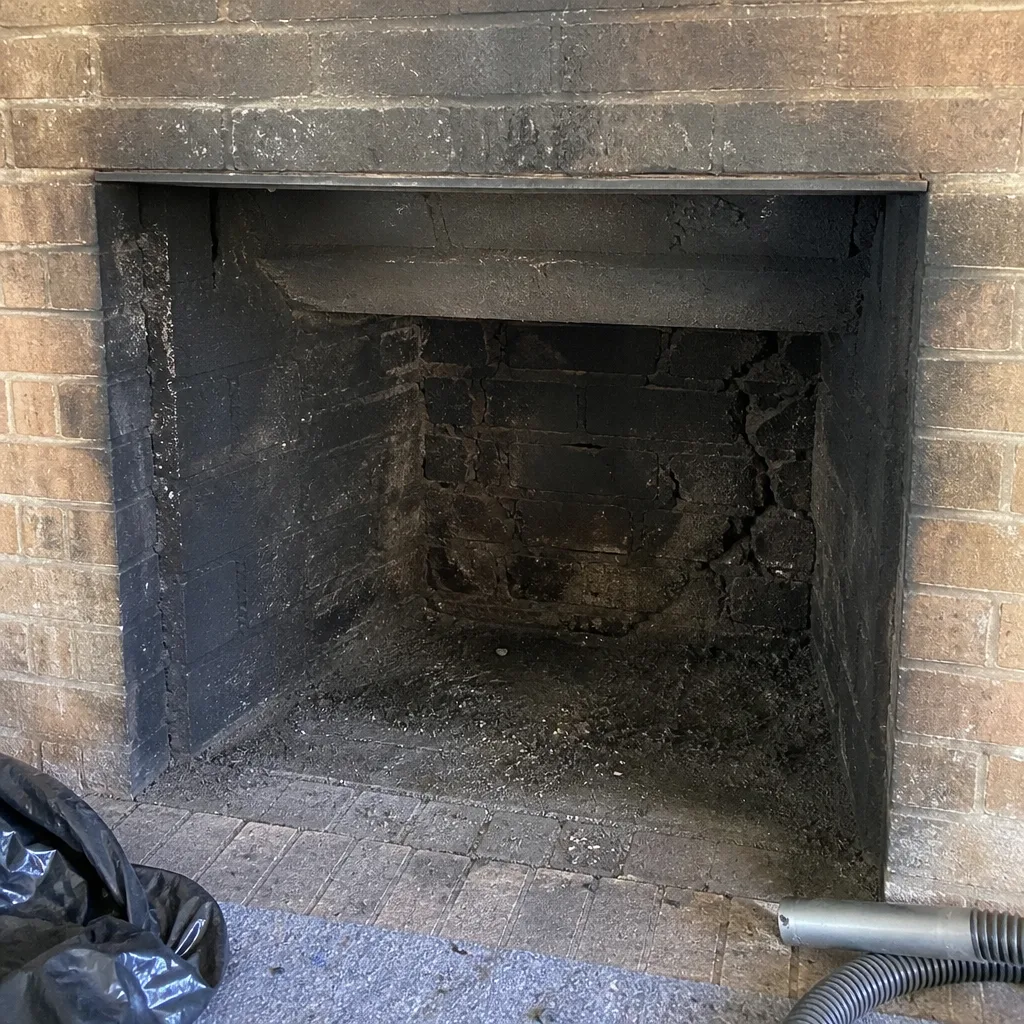 Before
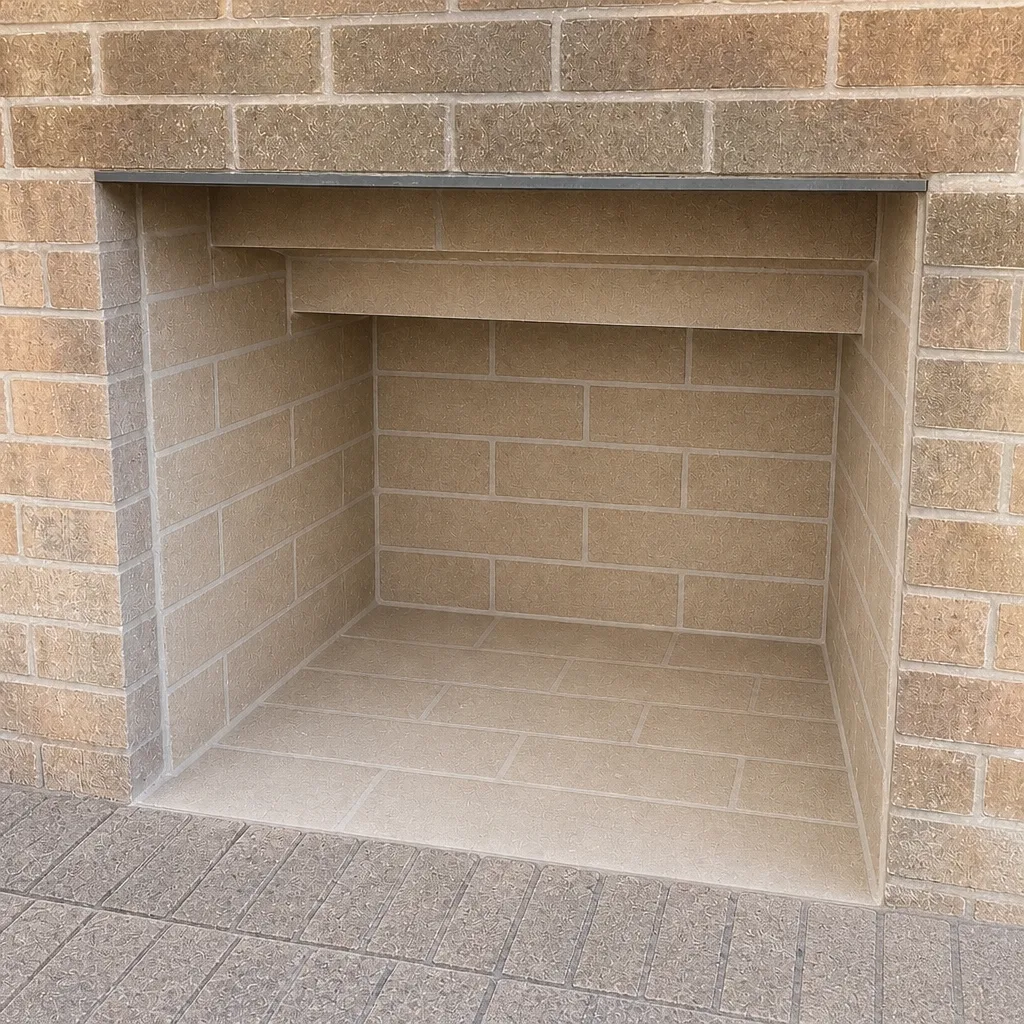 After
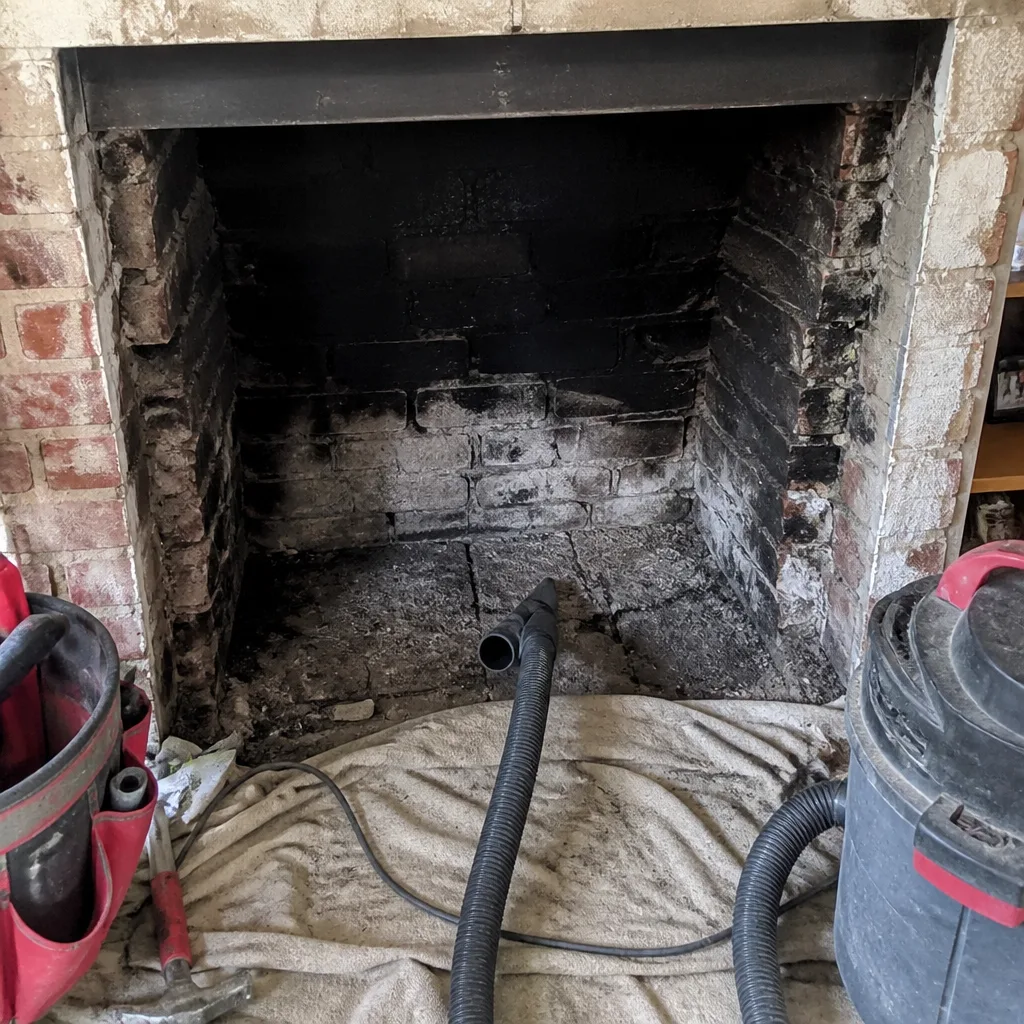 Before
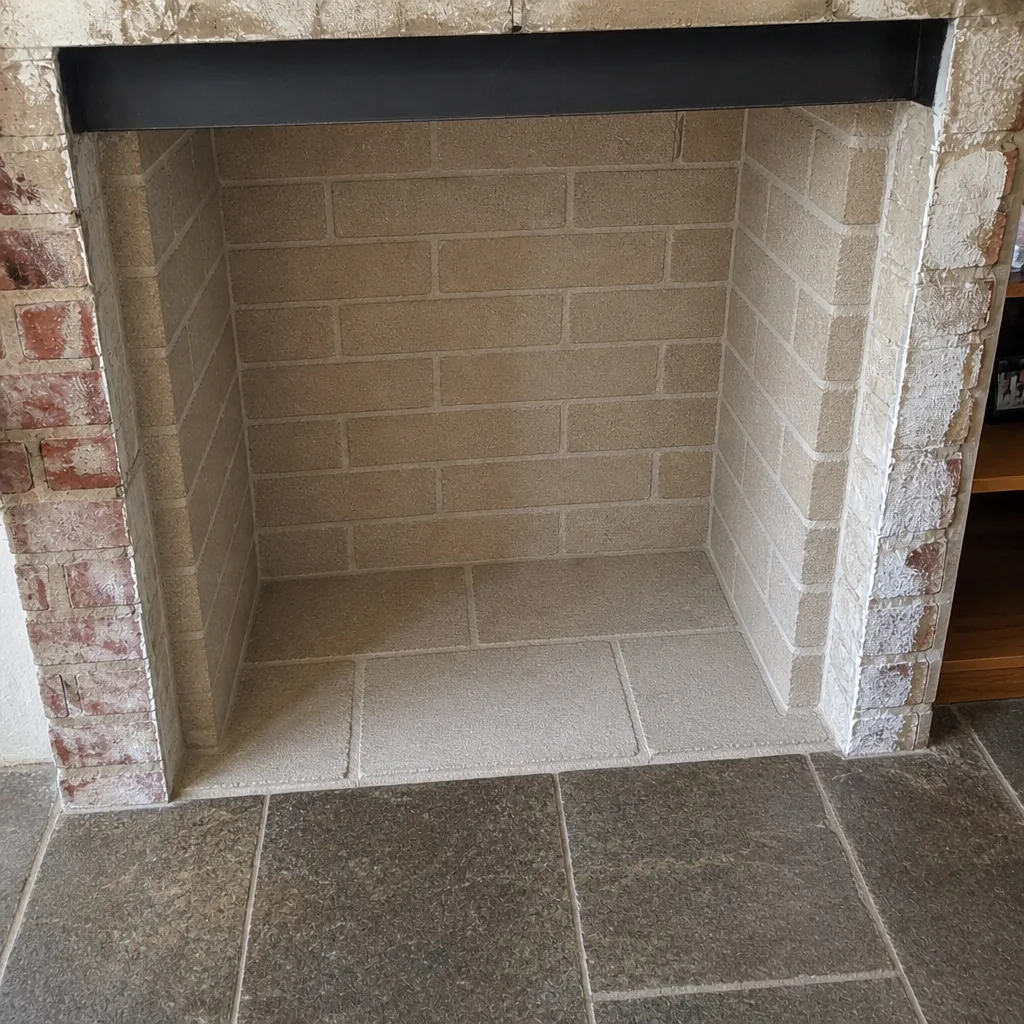 After
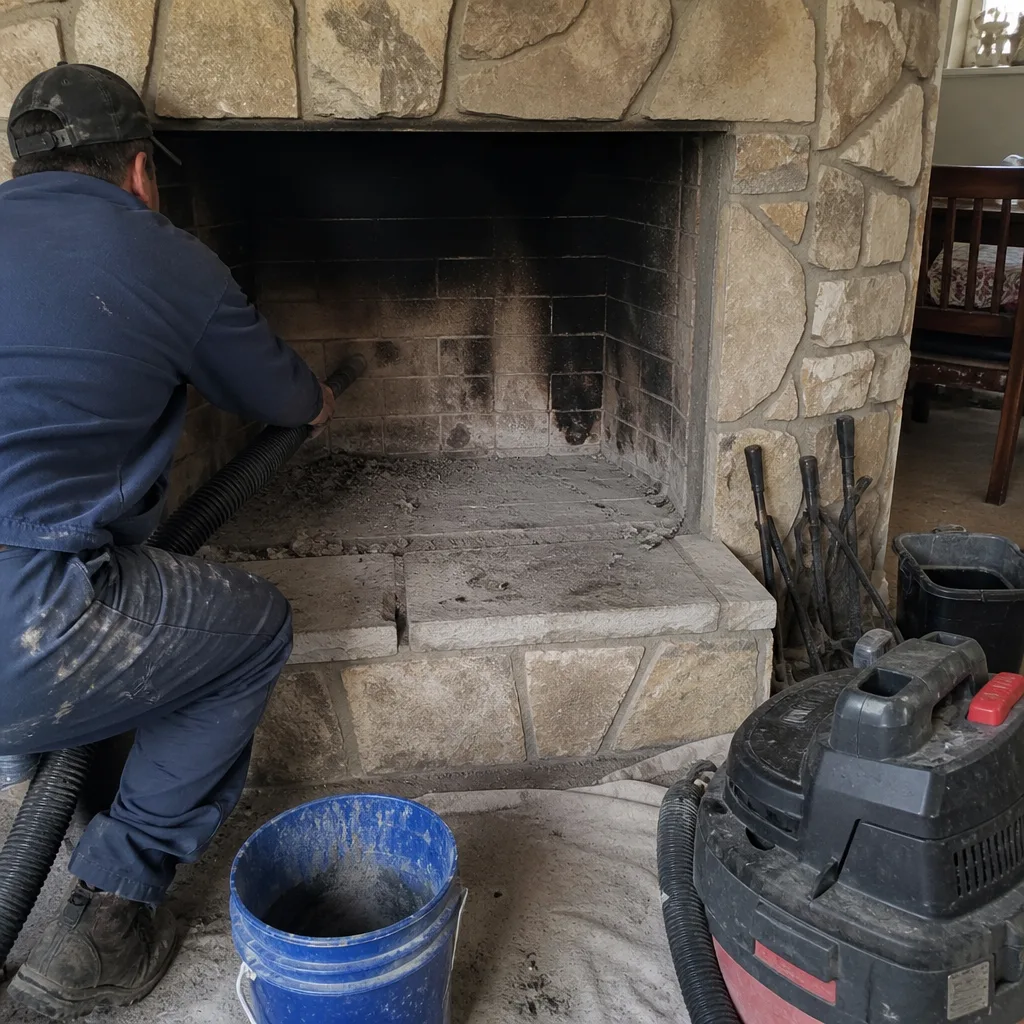 Before
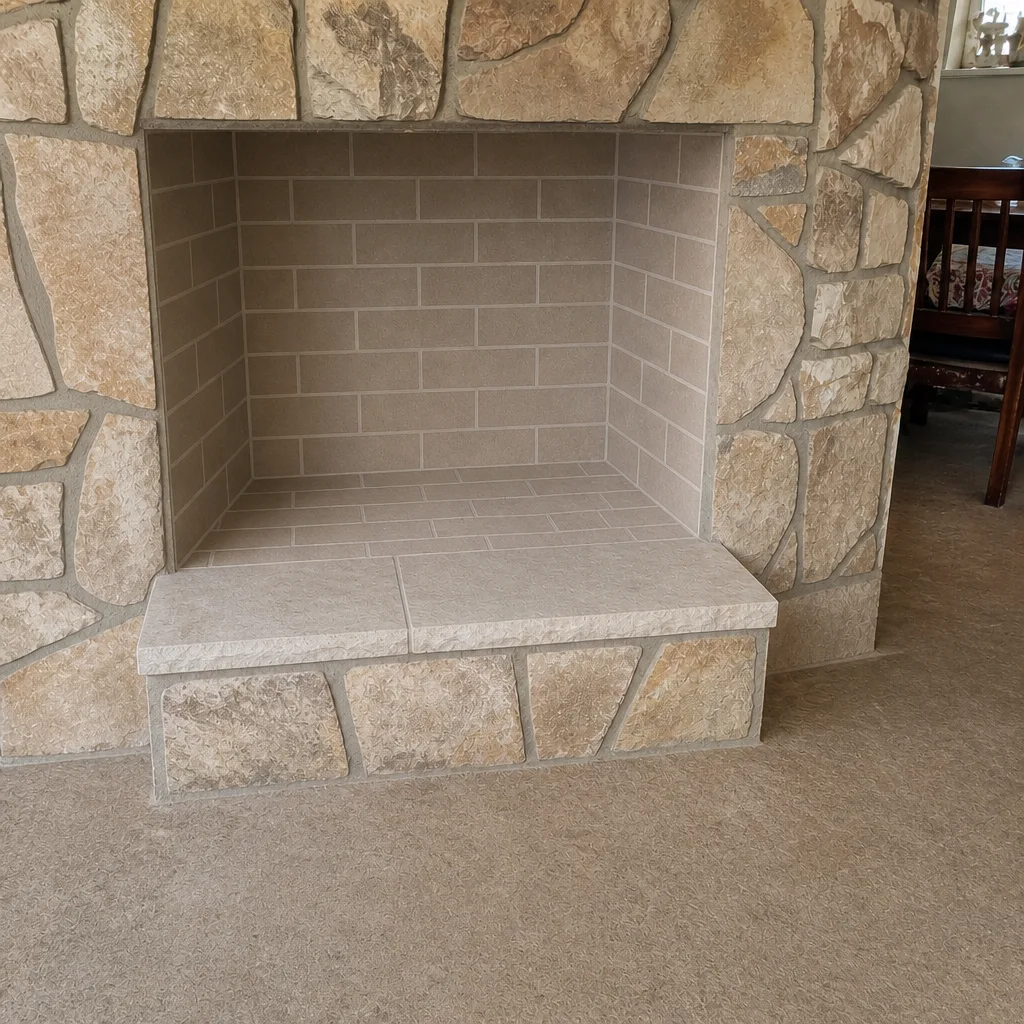 After
When to Call a Professional
Some chimney tasks are year-round maintenance you can manage yourself: scheduling the annual sweep, keeping an eye on the cap, watching for signs during burn season. Other situations call for a trained technician and shouldn’t wait for the next scheduled visit. Call if you see smoke spilling into the room on a fire that used to draw well, if you notice headaches or dizziness during burn season, if you see cracked or missing mortar on the exterior, if the crown has visible cracks, if water is staining the ceiling or the fireplace surround, or if it’s been more than a year since the last sweep. The chimney is one of the parts of a house where “wait and see” is not a strategy. Lionheart Chimney Sweep offers free estimates in Wichita Falls – call (855) 705-9859. We answer 24/7. Fast dispatch from 7am to 7pm, Sunday through Friday.
Frequently Asked Questions
Most Wichita Falls homes should be swept once a year, in late summer or early fall, with a mid-season cleaning added if you burn 40 or more fires a season or run a wood stove as primary heat. The interval is driven by creosote buildup, so a heavy burner needs a tighter schedule than a homeowner who lights a fire on a few cold nights. Call (855) 705-9859 for an exact quote – estimates are free.
Summer is the better time because the heat is when the crown and flashing take the most stress, so a summer visit inspects them at maximum wear, and the schedule is open compared with the rush after the first cold front. A September appointment gives you a controlled window before burn season; a November one competes with everyone else. The safety case is simple: you want the chimney checked before you use it, not after.
Creosote accumulates in the flue and becomes the fuel for a chimney fire, and the longer it sits the harder it is to remove and the more likely it is to glaze into a hard layer. Skipping also means the crown, cap and flashing go unchecked through the seasons that damage them, which is where most water problems start. A blocked or cracked flue doesn’t warn you before it becomes dangerous, so the annual sweep is the cheapest safety check you can schedule. Call (855) 705-9859 – estimates are free.
You need a liner replacement only when the existing liner has cracks, gaps or deterioration that make it unsafe, and you should be shown the camera evidence before any decision is made. A tile liner with a surface problem can sometimes be restored with HeatShield resurfacing instead of replaced with a full system like DuraFlex. If the liner is sound, we say so and no work is needed.
Have the crown, cap, flashing and exterior masonry checked for storm damage before the next wet spell, because a lifted flashing or a cracked crown lets water into the chimney and the damage shows up months later. A camera scan of the flue in the same visit tells you whether the storm opened anything inside. Spring is the natural time for a Level 2 inspection for exactly this reason.
Yes, and we treat it that way because the laundry vent is a flue with the same fire risk: lint buildup in a hot, moist vent is a leading cause of appliance-related house fires in the data the U.S. Fire Administration tracks. A dryer that takes twice as long to dry clothes or gets hot behind the drum is a warning sign. One call covers both the chimney and the dryer vent with the same technicians. Call (855) 705-9859 for an exact quote – estimates are free.
The Bottom Line
A chimney doesn’t fail in one season. It fails across four of them, and the visible problem in November is usually the last step in a line of small failures that started in the heat of July. The fix is a year-round schedule: a moisture and crown check in spring after storm season, repair work in the quiet summer months, a full sweep in late summer before the first cold front, attention to warning signs through the winter, and dryer vent cleaning on its own calendar. Match the frequency to how much you actually burn. If anything looks wrong between visits, don’t wait for the next scheduled appointment. Call (855) 705-9859 for a free estimate and let us look at it while it’s still small.
Written by the team at Lionheart Chimney Sweep.