
Last updated November 14, 2026
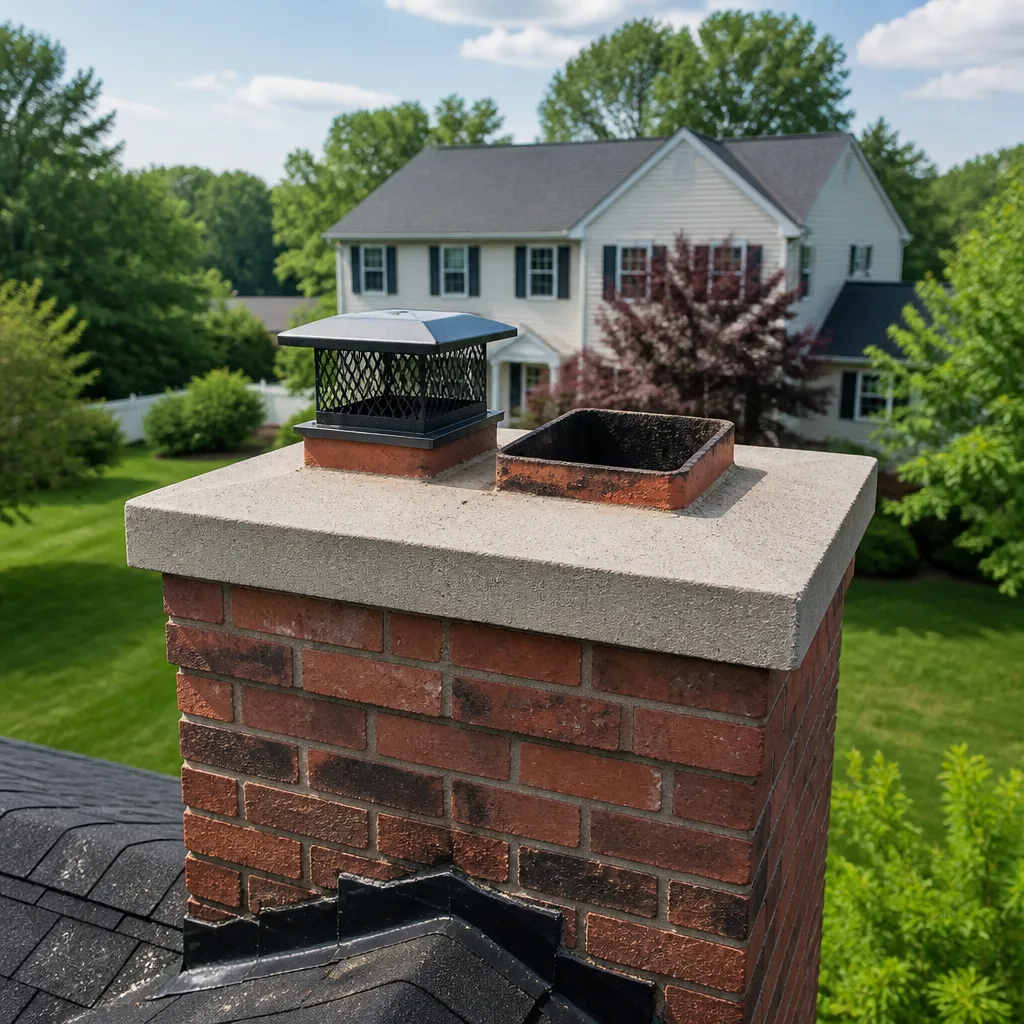 Sweep & inspection
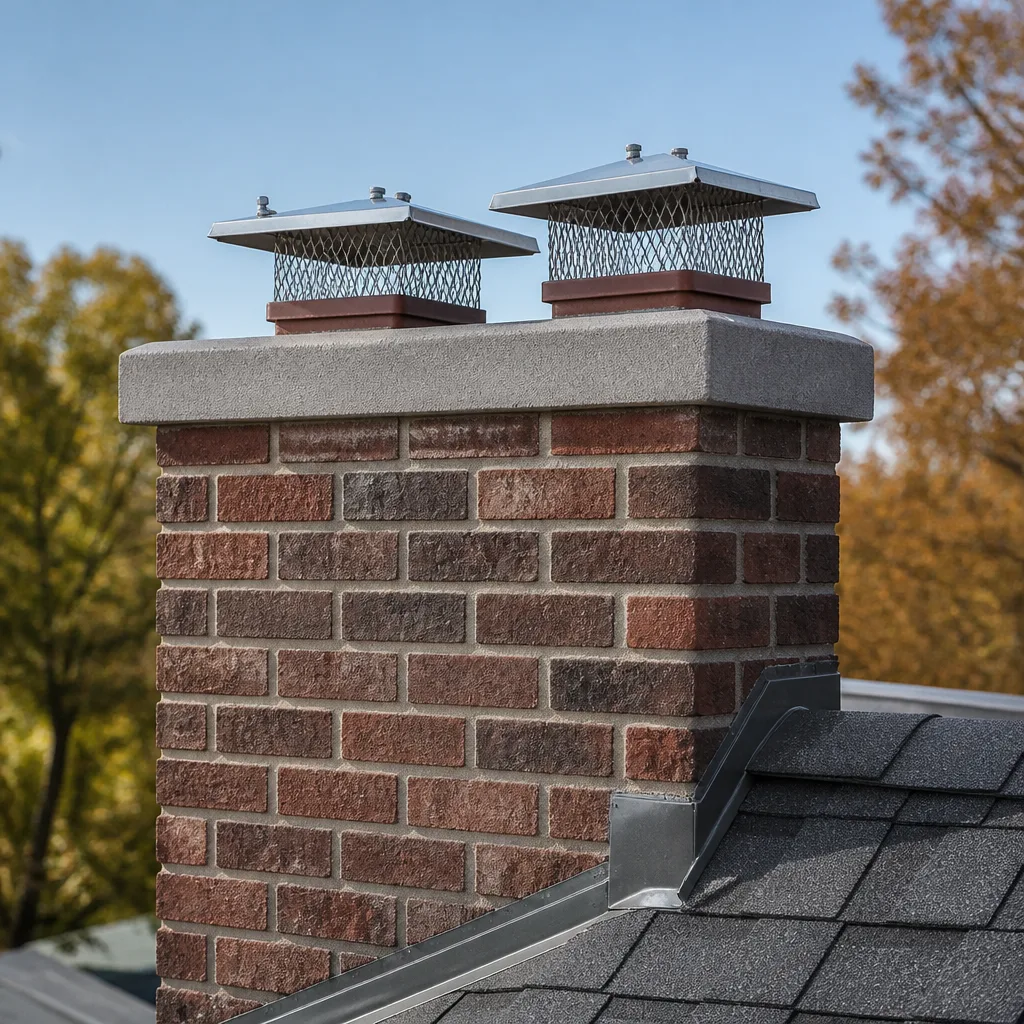 Caps & crowns
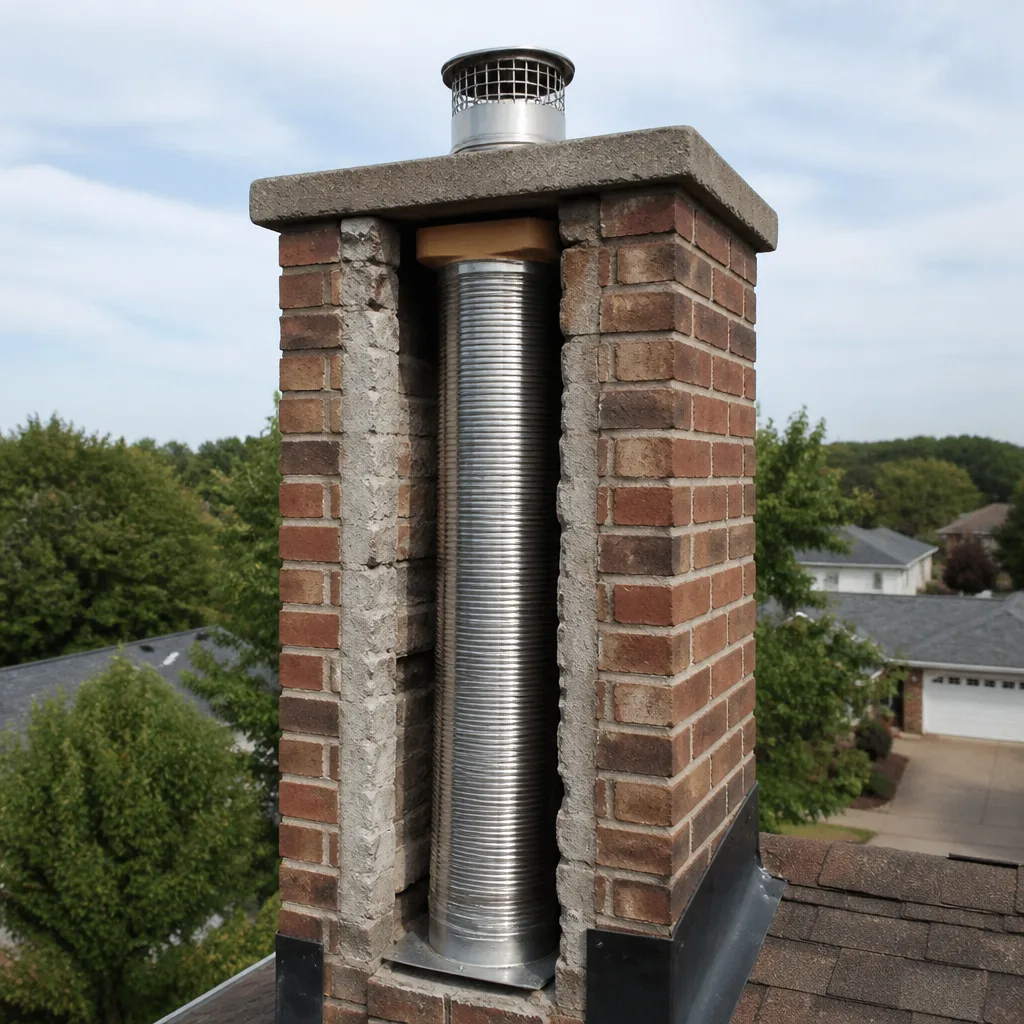 Flue relining
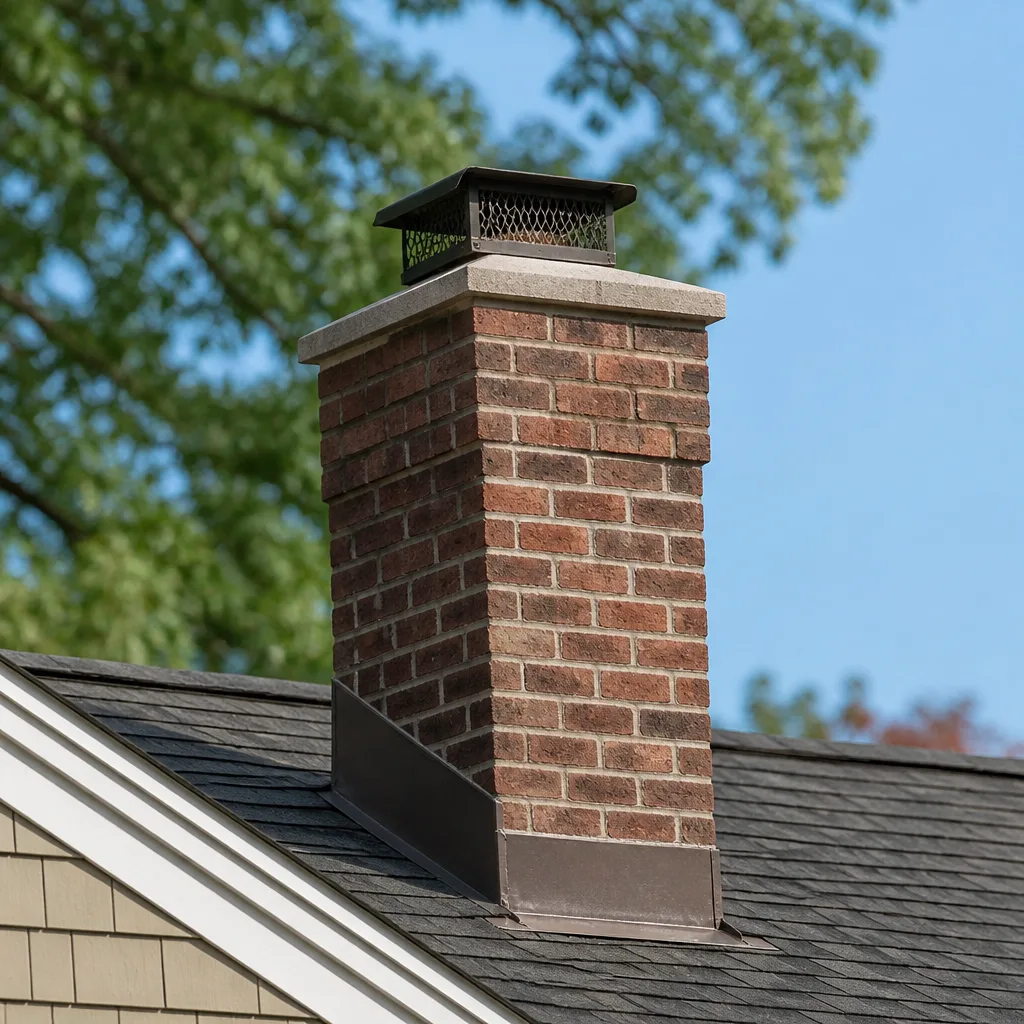 Masonry repair
 Gas fireplace service
Level 1 sweep and inspection to the NFPA 211 annual standard - flue, crown, cap, and flashing checked and photographed
Chimney sweep logs do not sweep chimneys. They loosen some creosote - which then falls where a brush and vacuum still have to collect it.
Chimney Cleaning Warning Signs: A Wichita Falls Homeowner’s Reference Guide
A smoky smell on a warm day with no fire burning isn’t a quirk of an old house. It’s the chimney draft reversing, and that reversal almost always traces back to a blockage or a pressure imbalance somewhere in the flue. The same condition that pushes smoke into your living room is the one that lets carbon monoxide follow it. Most chimney warning signs are visible or smellable long before they turn dangerous. The problem is that homeowners don’t know what they’re looking at. This guide treats every signal as diagnostic data: what each one indicates about your flue, what it means structurally, and what the right response actually is. If you heat with wood or gas in Wichita Falls, this is the reference we’d hand you in person.
Quick Answer
The main chimney cleaning warning signs are smoky or acrid odors with no fire burning, smoke rolling back into the room instead of up the flue, black or glazed creosote on the firebox walls, white staining or crumbling brick on the exterior, and a flue that smells musty or sulfuric after rain. Any one of these means it’s time for an inspection before you light another fire. Several together, or a flue that smells strongly of sulfur, means stop using the fireplace until a professional has looked at it.
Styles & brands we work with
- Sweep & inspection
- Caps & crowns
- Flue relining
- Masonry repair
- Gas fireplace service
Table of Contents
- What Do Chimney Odors Actually Tell You?
- Exterior Clues on Wichita Falls Homes: Efflorescence, Spalling, and Crown Damage
- Why Does Smoke Roll Into the Room on Some Fires and Not Others?
- Creosote Stages: Reading the Color and Texture of What’s Inside
- Findings That Mean Do Not Use the Fireplace
- How to Photograph and Document Warning Signs Before You Call
- The Warning Sign Most Homeowners Miss: The Dryer Vent
- What a Real Inspection Checks That a Quick Sweep Doesn’t
What Do Chimney Odors Actually Tell You?
An odor with no fire burning is data. The type of smell narrows down what’s happening inside the flue faster than almost anything else, and it tells you whether the problem is fuel residue, moisture, or an animal. We use smell as a starting point on almost every diagnostic visit in Wichita Falls.
Here’s how the main categories break down:
- Acrid or sharp, like burnt wood and tar. This points to creosote buildup, and the sharper it gets, the further along the deposit has moved. Stage 1 creosote is soft and sooty, stage 2 is flaky and crusted, and stage 3 is glazed, hard, and the most flammable. An acrid smell with no fire often means the flue hasn’t been swept and the creosote is off-gassing in warm weather.
- Musty or damp-earth. Moisture is the usual cause. It can come from a failed crown, cracked mortar joints, or a missing or rusted rain cap letting water in at the top. In a masonry chimney, persistent damp smells usually mean water has been finding a way in for a while.
- Sulfuric, rotten-egg, or sewer-like. This is the smell of animal intrusion, typically birds or squirrels that have gotten past a damaged cap, or of a flue that’s holding moisture and organic debris. Bat or bird nesting material inside a flue is a real fire hazard and often carries parasites. This is a stop-using situation until the flue is cleared and inspected.
- Smoky even with no fire. Draft reversal. The flue is pulling air down into the house instead of pushing it up, usually because of a blockage, a closed damper, or a pressure imbalance in a tightly sealed home.
One odor we take seriously: if you smell combustion gas or exhaust that you can’t otherwise explain, treat it as a carbon monoxide concern and get everyone out and call us before you light anything. A blocked or cracked flue doesn’t warn you with a sound.
Our technicians have up to 15 years of experience reading these signals, and the diagnosis for a smoky smell in a Wichita Falls home is rarely the same from one house to the next.
Exterior Clues on Wichita Falls Homes: Efflorescence, Spalling, and Crown Damage
The outside of your chimney is often the most honest reporter of water damage happening inside. North Texas summers are hot and dry, and our occasional heavy rain events push water against masonry that may already have hairline weaknesses. Three exterior signs matter most, and each one points to a different stage of water intrusion.
- Efflorescence (the white, chalky stains). When water moves through brick and evaporates on the surface, it carries dissolved salts with it, which dry into a white powdery crust. Efflorescence alone is an early signal, not a failure, but it means water is migrating through the masonry. Left alone, it leads to the next stage.
- Spalling (brick faces flaking or popping off). This is what happens when trapped water freezes or expands within the brick and pushes the face off. Spalling means the brick has already been weakened. On a Wichita Falls chimney, spalled brick near the top, where rain hits hardest, says the crown or mortar joints above it have been letting water through.
- Crown fractures (the concrete cap at the very top). The crown is meant to shed water away from the flue and the masonry. A hairline crack becomes a channel. Over a couple of seasons, a cracked crown drives moisture down the entire face of the chimney, which is how efflorescence and spalling begin in the first place.
A missing or bent rain cap, a rusted chase cover on a prefab chimney, and crumbling mortar at the joints are all worth photographing too. On the exterior, the timeline is usually a season or two, not a day or two, which is the good news. You have time to get it looked at before the masonry softens.
When we repair what we find on a Wichita Falls chimney, the work follows the evidence: crown repair, cap and chase cover replacement, and mortar repointing for masonry. The one thing we never do is recommend a full rebuild off an exterior glance. That decision needs a look inside the flue as well.
Why Does Smoke Roll Into the Room on Some Fires and Not Others?
Smoke that rolls into the room on some fires but not others is the single most useful clue to a chimney problem that isn’t fully blocked. Inconsistent behavior points to a marginal draft, not a total failure. If it puffed into the room only on cold, still mornings, or only on windy days, or only on fires lit quickly from cold, the flue is struggling to establish upward flow rather than being plugged.
What the inconsistency usually means:
- Smoke rolls in on cold starts, then draws once it’s warm. This is often normal at very low fire temperatures, but if it’s getting worse over time, the flue isn’t heating up the way it used to. A partially obstructed flue or a liner with a rough, restricted throat does this.
- Smoke rolls in on windy days. Wind is pressing down on the termination at the top of the chimney. A cap that’s the wrong size, a missing cap, or a chimney that’s too short for the roofline can all let wind push air back down the flue. In Wichita Falls, where wind is a fact of life most of the year, this shows up more than people expect.
- Smoke rolls in when another exhaust fan is running. Bathroom and kitchen fans pull air out of the house and create negative pressure. If the home is tightly sealed, the chimney becomes the easiest path for makeup air to enter, and it comes down the flue. This is a pressure problem, not a dirty flue problem, and it’s one of the most commonly misdiagnosed issues we see.
- Smoke spills continuously. Continuous spillage with the damper open, no matter the fire size, points to a real restriction: a dislodged damper, a collapsed tile segment, a nest, or a liner failure. That one is a stop-using sign.
The damper and the liner are the two components that control most of this. A damper that won’t open fully or has come off its hinge obstructs the path the same way a crumbled tile joint does. Our technicians look at both on every diagnosis, because a smoky fireplace in Wichita Falls is often a damper or liner condition rather than a simple sweeping job.
If you’ve been putting up with a fireplace that smokes inconsistently for years, the answer is an inspection, not more firewood.
Creosote Stages: Reading the Color and Texture of What’s Inside
Creosote is the tar-like residue from burning wood that condenses on the flue walls, and it’s what makes chimney fires possible. The stages matter because they don’t look alike, they don’t behave alike under heat, and they don’t respond to the same cleaning methods. If you clean your own firebox or have a sweep who never explains what’s inside, this is worth knowing.
- Stage 1: soft, flaky, sooty. Dark dust or thin dark flakes, usually building up first in the cooler upper sections of the flue. This is what a routine sweep removes. If a chimney is swept on schedule, the creosote never gets past this stage.
- Stage 2: crusted, flaky, harder. Black or dark brown, crusty deposits that flake off in chunks. This is what happens when a chimney goes a long time between sweeps or when the wood is damp. It takes more mechanical effort to remove and increases fire risk.
- Stage 3: glazed and hard, like a shell. This is the dangerous one. Highly concentrated, shiny, and hard as ceramic. Stage 3 creosote ignites at low temperatures and can burn intensely. It is very difficult to remove and it’s a primary reason chimney fires happen.
Glazed creosote usually comes from burning unseasoned or green wood, from a flue that runs too cool, or from restricted airflow. When we find stage 3 deposits, we don’t just sweep and leave. Depending on the liner, glazed flue walls may call for resurfacing rather than a mechanical sweep. We use HeatShield ceramic flue resurfacing as a professional-tier repair for deteriorated tile and glazed flue liners, and we treat it as a repair decision that follows the evidence, not a first option.
We source from professional chimney trade suppliers, including Olympia Chimney and Copperfield, and we install DuraFlex stainless flexible liner systems when the existing liner can’t be restored. We repair what we find. That’s the standard.
Findings That Mean Do Not Use the Fireplace
Some warning signs mean the fireplace should be closed and nothing more should be burned until a professional inspection is complete. The signs below are a clear reason to stop, and we’d rather see you pull the fire and be wrong than see you light a fire on one of these conditions.
Close the fireplace if you observe any of the following:
- Cracked or crumbling flue tiles. A broken tile joint lets heat and gas leak into the chimney structure, which can ignite framing.
- Stage 3 glazed creosote. Heavy, shiny, brittle-looking buildup significantly raises the risk of a chimney fire.
- A strong sulfuric smell with visible debris or nesting. Animal intrusion means a blocked flue, and a blocked flue means combustion gases have nowhere to go but back into the house.
- Visible cracks in the masonry or the firebox walls. A crack inside the firebox can allow fire or hot gas behind the brick.
- Smoke rolling back into the room with the damper fully open, every time. Continuous backdraft is a blockage or restriction signal.
- A detached damper or a liner that’s separated or collapsed. A damper stuck closed or a broken liner section is a structural restriction.
- Carbon monoxide alarms going off, or unexplained headaches and drowsiness during or after a fire. Treat this as a carbon monoxide emergency, not a chimney maintenance issue.
None of these are things you can diagnose by looking up the chimney with a flashlight. A true verdict comes from a camera inspection. Our technicians photograph what the camera finds, so you can see the cracked tile or the glaze for yourself before we make a recommendation. Nothing gets repaired or replaced without that evidence in hand.
How to Photograph and Document Warning Signs Before You Call
Photographing your warning signs before you call a professional does two things: it helps the technician diagnose faster, and it gives you a reference to check against any recommendation. If a technician tells you something is cracked and you have a photo from last week that doesn’t show a crack, you have a fair question to ask. That’s healthy.
Here’s the sequence we recommend:
- Photograph the exterior of the chimney from ground level, at eye level and from both sides. Get the top, the brick face, and the roofline in the frame. A wide shot plus a close-up gives a technician the pattern and the context.
- Photograph the firebox interior with the flash on, before you clean anything. The condition of the firebox bricks, the damper, and any residue on the walls is diagnostic. Don’t sweep it “clean” first.
- Record a short video of the smoke behavior. If the fireplace smokes when lit, a phone video of what it does on a cold start and on a windy day is worth more than any description over the phone.
- Note the conditions of each incident. Write down the time, the weather, whether any exhaust fans or the HVAC were running, and whether the fire had just started or was well established. This is exactly what lets us narrow down a draft problem from a liner problem.
- Write down the smell in your own words and when it appears. “Acrid with no fire” and “sulfuric after rain” point to different causes. Note the day and time for each.
- Check your rain cap and crown from a safe ground-level angle. Never climb onto the roof. Look from the ground or from a window. A missing cap is visible from below.
Keep the photos and notes together. When you call, you can say “here’s what I’m seeing” instead of “something’s wrong.” That’s how you avoid the mismatch between a real problem and an upsell. We ask homeowners to send the photos in before a sweep in Wichita Falls, and it shortens the on-site diagnostic considerably.
Safety first: never use a ladder to inspect the flue or the roof. Roof work is one of the dangerous parts of this trade, and the top of your chimney is not a good place to learn. Leave it to a trained professional.
The Warning Sign Most Homeowners Miss: The Dryer Vent
The warning signs of a clogged dryer vent are quieter than chimney signs and far less dramatic until a fire starts. The U.S. Fire Administration tracks dryer vent fires as the leading appliance-related house fire cause, and lint accumulation is the reason. We extend our fire-safety work to dryer vent cleaning specifically because most chimney-only companies don’t look at it, and it’s part of the same house fire picture.
Signs that your dryer vent needs attention:
- Clothes take longer than one cycle to dry.
- The dryer or the outside vent is hot to the touch.
- There’s a burning or musty smell near the dryer.
- Lint is visible around the dryer’s lint trap or behind the unit.
- The exterior vent flap doesn’t open fully or lint is puffing around the edges.
- It’s been a long time since the vent was cleaned, or you’ve never had it done.
A long-term fire risk and a chronic energy penalty come from the same cause here. We clean the vent line and check the termination and the exterior flap while we’re at it, and we use Famco and Gelco ventilation components when a termination or flap needs replacement. One call covers your chimney and your dryer vent, and both are part of the same safety check.
What a Real Inspection Checks That a Quick Sweep Doesn’t
A sweep and an inspection are not the same thing, and a chimney service that only cleans and leaves misses the warning signs you didn’t know to look for. A thorough inspection checks the conditions below. If your last sweep didn’t cover them, it was a cleaning, not an inspection.
- The flue interior with a camera. Tile joints, glaze, moisture, debris, and liner condition, all checked.
- The damper. Operation, alignment, and whether it closes fully.
- The firebox. Brick condition and mortar integrity.
- The cap, crown, and chase cover. From the roof, safely, by a trained technician.
- The exterior masonry. Efflorescence, spalling, cracked mortar joints, and water paths.
- Draft and pressure behavior. Whether the flue pulls as it should, and whether the house’s other systems are interfering.
Our repair capability sits inside the same call. We sweep, we diagnose, and we repair, so you don’t wait on a subcontractor once the findings are in. When a repair calls for a new liner, we install DuraFlex stainless flexible systems. When a tile liner is deteriorated but still restorable, we resurface with HeatShield. When a cap or termination needs replacing, we use Olympia Chimney and Copperfield components. We don’t source chimney materials from a hardware store. The Lionheart standard is that the products match the diagnosis.
You can read more about what our chimney sweep service includes, or about how we handle Wichita Falls homes specifically. Either way, the inspection comes first, and nothing gets repaired or replaced without camera evidence and a written estimate. Pricing is set per job by that estimate, and the estimate is free.
Common Mistakes to Avoid
- Judging the chimney by the outside alone. Efflorescence on the exterior can look minor while the flue liner inside is already cracked. The interior inspection is what diagnoses the fire risk, and the exterior is only the supporting evidence.
- Burning “green” or unseasoned wood to save money. It’s the fastest way to build stage 2 and stage 3 creosote. In a Wichita Falls summer, the wood you buy wet in spring still won’t be dry by fire season.
- Lighting a fire to “burn off” a smoky smell. If the scent is sulfuric or musty, the cause is a blockage or moisture, and a fire makes a blocked flue more dangerous, not less.
- Ignoring the dryer vent because it isn’t the chimney. The vent and the flue are the same fire-safety concern. A dirty vent is a leading appliance-related fire cause, and a home with one clogged exhaust is usually at risk on the other.
- Letting someone clean without inspecting. A sweep who never gets a camera inside the flue is charging you for the easy part and leaving the diagnosis to nobody.
- Assuming a gas insert doesn’t need attention. Gas inserts vent through the chimney too, and the same liner and cap failures apply. A gas appliance that backdrafts is a carbon monoxide problem.
- Calling it seasonal and waiting. The best time to catch a cracked crown or a spalled brick face on a Wichita Falls home is before the next big rain. Water damage on a chimney gets worse, not static.
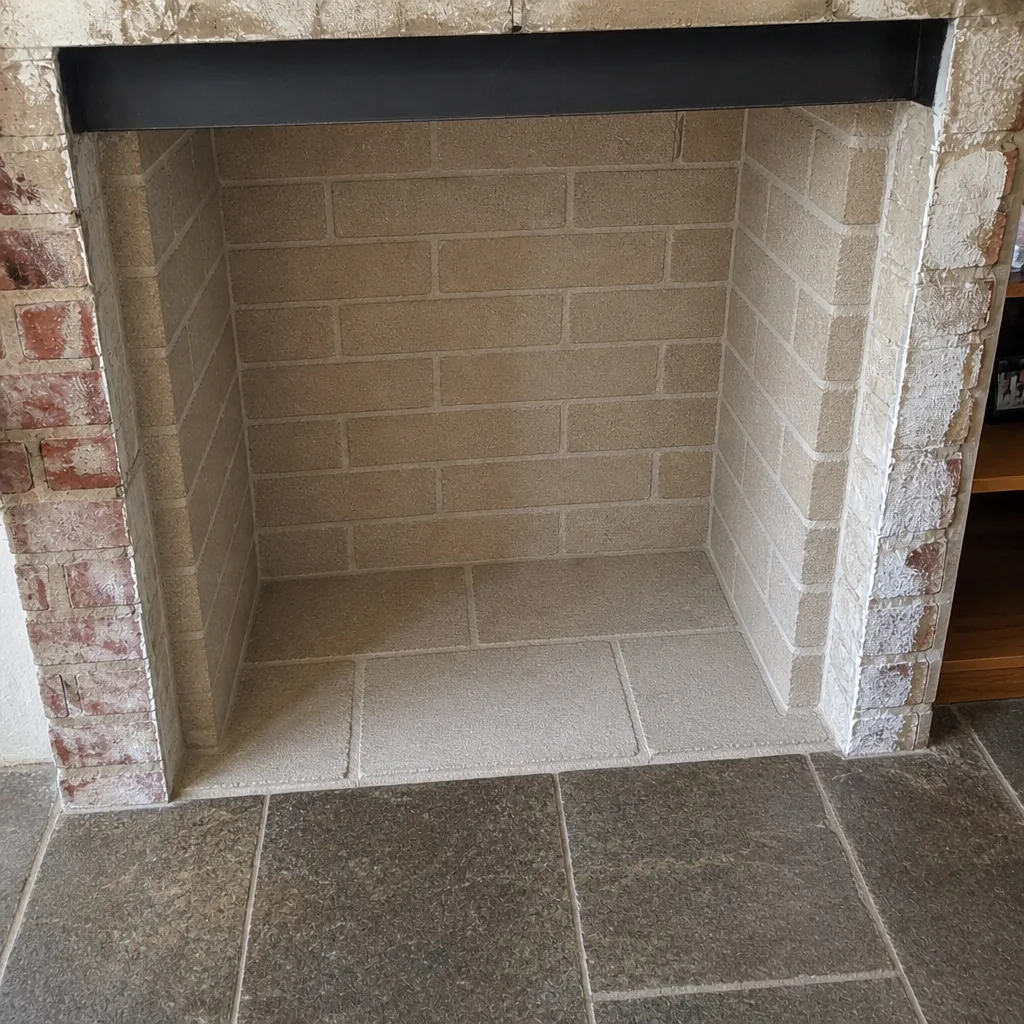
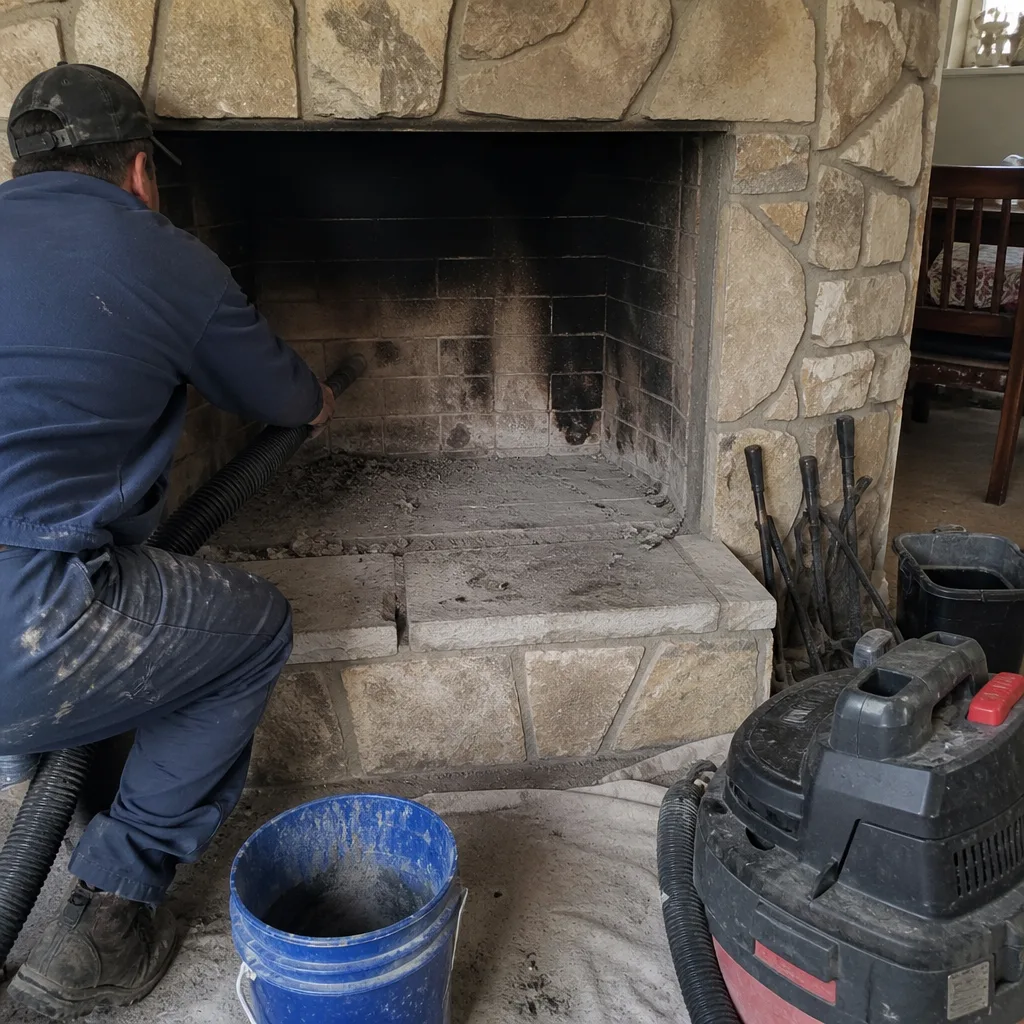
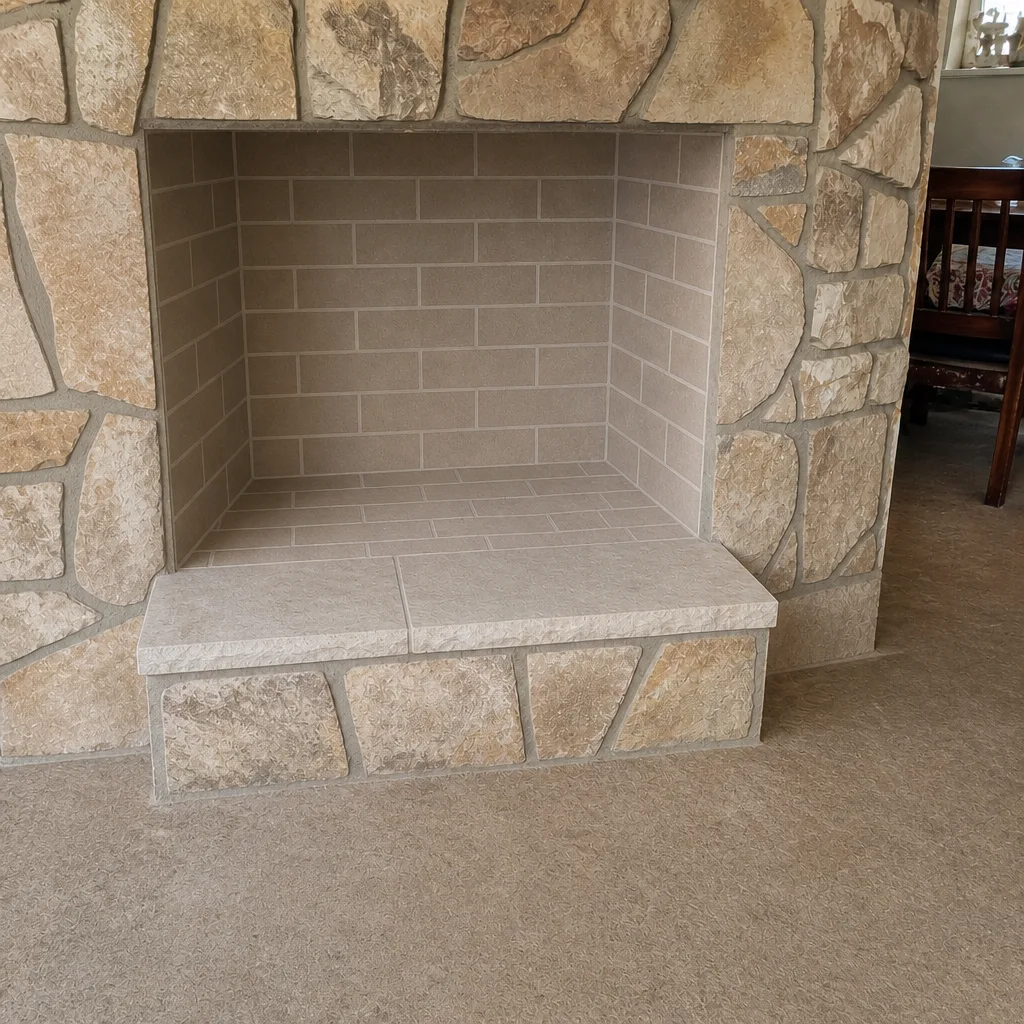
See the difference
 Before
 After
 Before
 After
 Before
 After
When to Call a Professional
Call a professional when you smell a sulfuric or damp odor with no fire burning, when smoke rolls into the room with the damper open, when you see glazed or hard black creosote on the firebox walls, when the exterior shows efflorescence, spalling, or a cracked crown, or when your carbon monoxide alarm sounds near the fireplace. Also call before the first fire of the season if you don’t know when the chimney was last swept. These are not the kinds of problems that fix themselves, and the two dangerous ones (carbon monoxide and a blocked flue) don’t give you a second warning. Our technicians have up to 15 years of experience, and Lionheart Chimney Sweep offers free estimates in Wichita Falls – call (855) 705-9859. We answer 24/7. Fast dispatch from 7am to 7pm, Sunday through Friday.
Frequently Asked Questions
The earliest signs are usually an acrid smoky smell with no fire burning, a fine black soot flaking onto the firebox floor, and a fire that’s harder to light than it used to be. Harder lighting and puffing on cold starts often show before anything visible from the outside. If those signs are there, an inspection settles it. Call (855) 705-9859 for an exact quote – estimates are free.
A smoky smell with no fire is usually draft reversal, meaning the flue is pulling air down into the house instead of pushing it up. In a tightly sealed home, a bathroom or kitchen exhaust fan is often the trigger. A partially blocked flue will do it too, and that one is worth checking before you light another fire. Call (855) 705-9859 for an exact quote – estimates are free.
White staining is efflorescence, and it means water is moving through the brick, so it’s an early warning rather than an emergency. It usually means the crown, the mortar joints, or the rain cap are letting water in. The right next step is a look at the top of the chimney and the flue, not a masonry rebuild. Call (855) 705-9859 for an exact quote – estimates are free.
Stop using it if you see cracked flue tiles, glazed stage 3 creosote, visible cracks inside the firebox, a detached damper, or a sulfuric smell with debris or nesting in the flue. If a carbon monoxide alarm goes off, get everyone out and call for help first. All of these mean close it until a professional inspection is complete. Call (855) 705-9859 for an exact quote – estimates are free.
A tile liner that’s deteriorated but not structurally failed can often be resurfaced rather than replaced, which is what we use HeatShield ceramic resurfacing for. A liner that’s cracked through or separated needs a new liner, and we install DuraFlex stainless flexible systems in those cases. The camera inspection is what decides which one applies, and you’ll see the footage. Call (855) 705-9859 for an exact quote – estimates are free.
Once a year if you burn regularly, and more often if you burn green wood or use the fireplace heavily. The annual sweep is also the annual inspection, which is what catches the exterior water damage and the liner problems before they get worse. If you’ve never had it done, start with an inspection and go from there. Call (855) 705-9859 for an exact quote – estimates are free.
The Bottom Line
Chimney warning signs are data, and most of them show up well before anything is dangerous. Smell tells you about creosote, moisture, or animals. Smoke behavior tells you about the damper and the draft. The exterior tells you about water intrusion, and the dryer vent tells you about the other half of your home’s fire risk. Reading each sign correctly is how you avoid both a real hazard and an unnecessary bill. When you photograph what you see and bring it to a technician who’ll show you the camera footage before recommending work, you keep the decision grounded in evidence. That’s what we do on every Wichita Falls chimney, and it’s why we repair what we find instead of just sweeping and leaving. Call (855) 705-9859 for a free estimate. We answer 24/7. Fast dispatch from 7am to 7pm, Sunday through Friday.
Written by the team at Lionheart Chimney Sweep.