
Last updated November 14, 2026
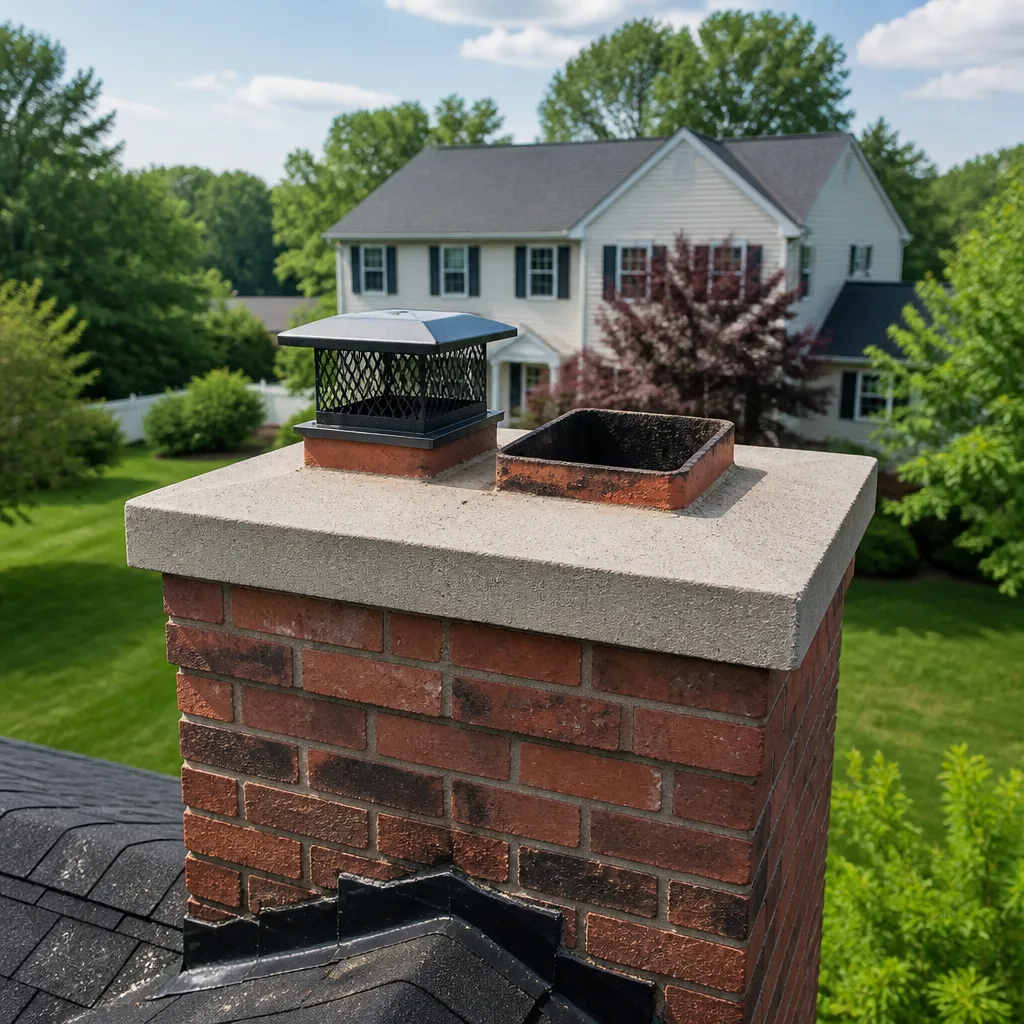 Sweep & inspection
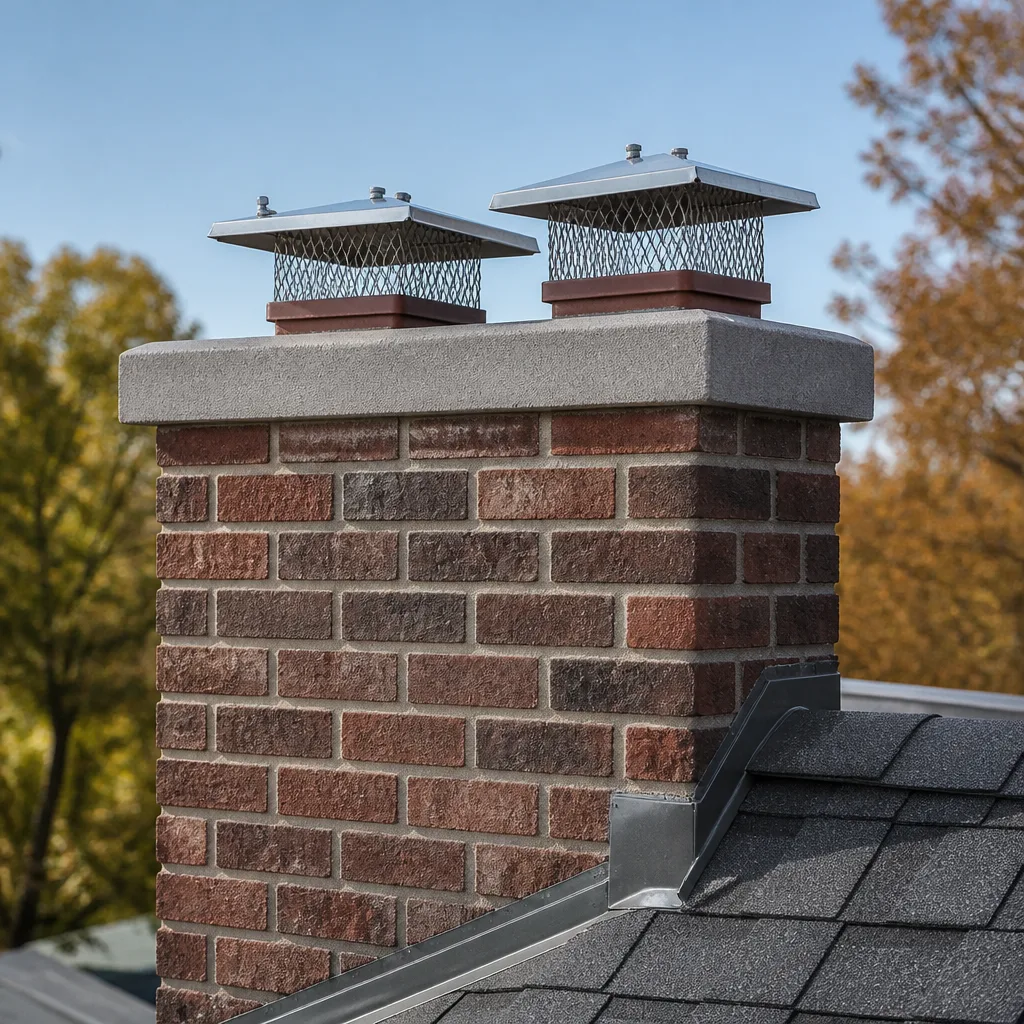 Caps & crowns
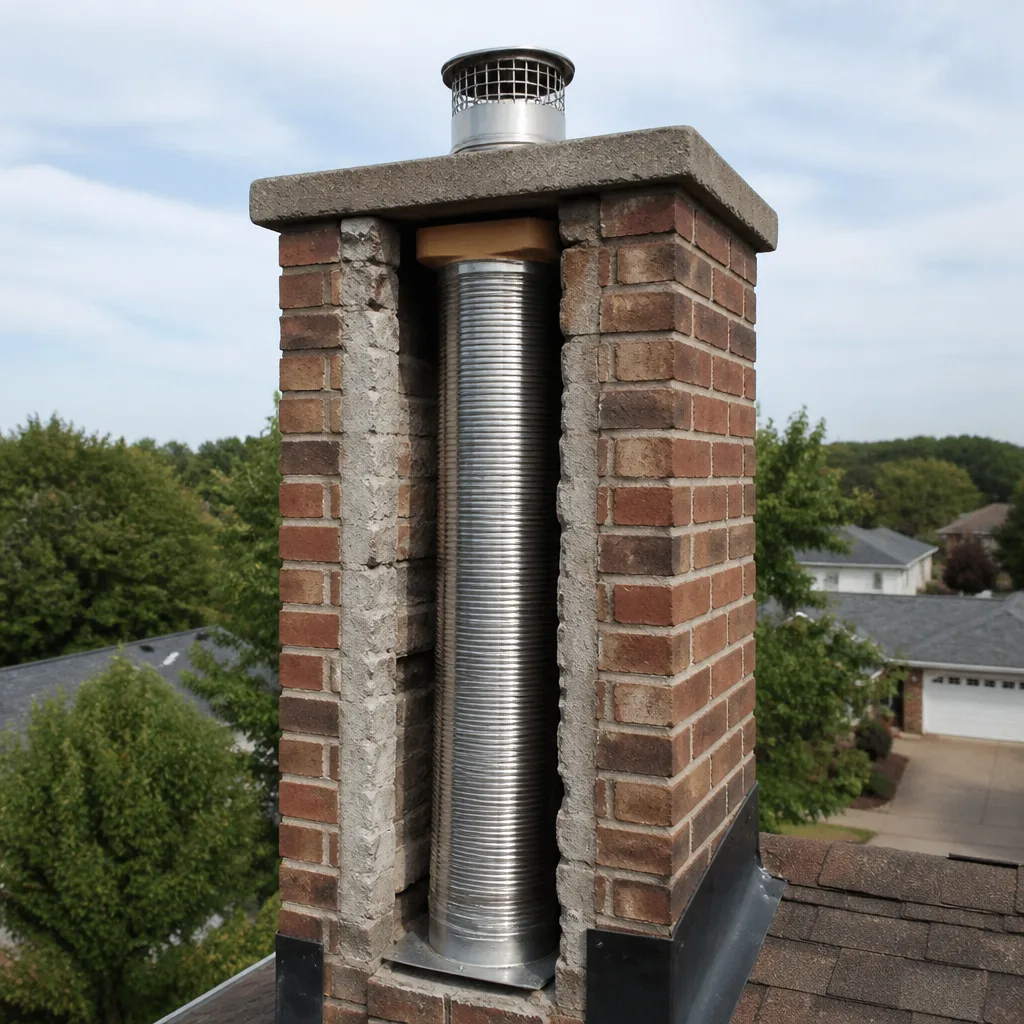 Flue relining
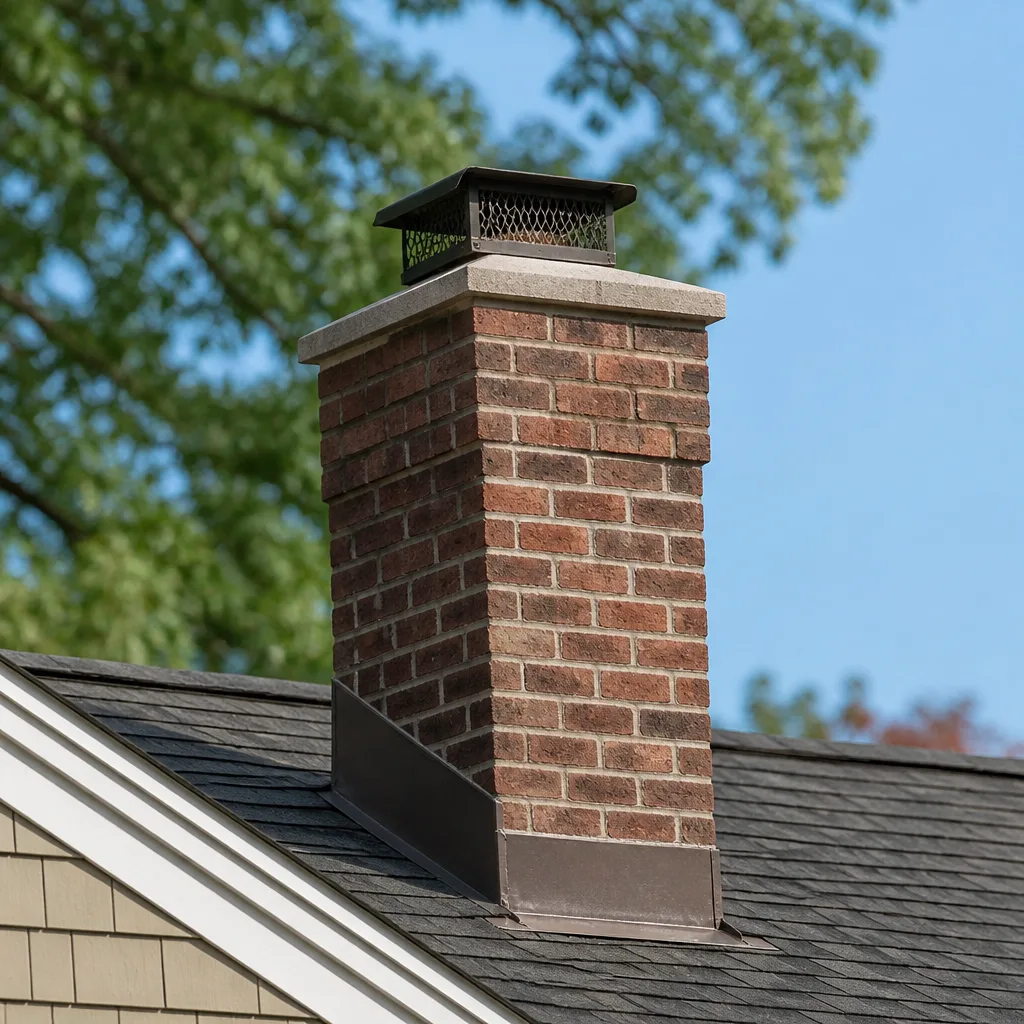 Masonry repair
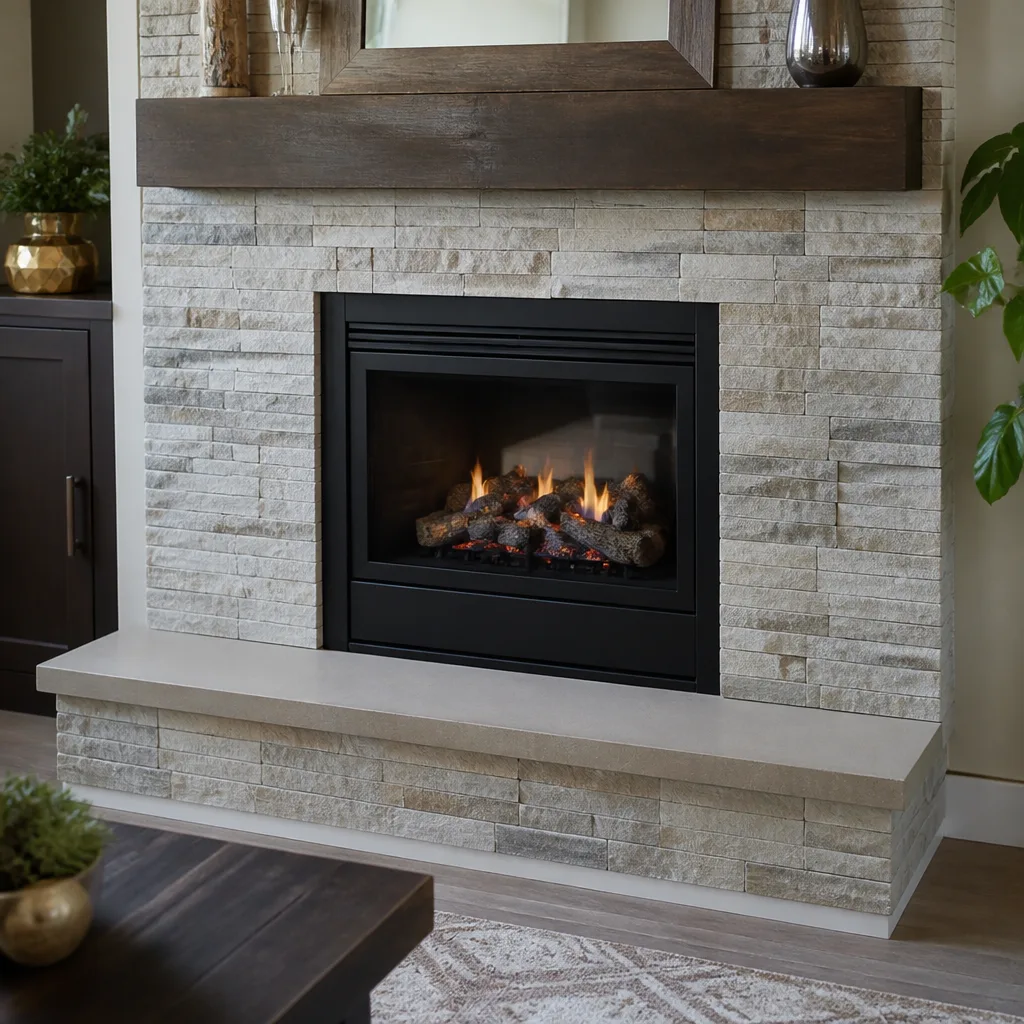 Gas fireplace service
Level 1 sweep and inspection to the NFPA 211 annual standard - flue, crown, cap, and flashing checked and photographed
Chimney sweep logs do not sweep chimneys. They loosen some creosote - which then falls where a brush and vacuum still have to collect it.
The Complete Guide to Chimney Cleaning in Wichita Falls
Most Wichita Falls homeowners treat chimney cleaning as one annual box to check. That’s the wrong model, and it’s the one that gets people into trouble. Our weather does two things to a flue in the same year: brutal summer heat bakes creosote and debris onto the flue walls until it hardens like glaze, then a burn season opens the moment the first real cold front rolls through in October. A chimney fire burns hot enough to warp flue tiles in seconds, and “I haven’t burned much” is not the same answer as “it’s safe to light.” This guide walks through what a complete system of chimney care looks like in Wichita Falls, from the first brush stroke through reading your inspection report and knowing which red flags mean stop.
Quick Answer
Chimney cleaning in Wichita Falls should happen once a year for most wood-burning fireplaces, and more often if you burn heavily or burn resinous wood. A proper job includes a Level 1 or Level 2 inspection with camera evidence, full creosote removal rather than a cosmetic pass, and a written report you can read and question. Cleaning is not the same as sweeping and leaving; a real service tells you what condition your flue, cap and liner are actually in before you light the next fire.
Styles & brands we work with
- Sweep & inspection
- Caps & crowns
- Flue relining
- Masonry repair
- Gas fireplace service
Table of Contents
- Why chimney care in Wichita Falls works differently
- Clay soil, shifting foundations and liner cracks
- Level 1 vs Level 2 inspections: what each one involves
- Cosmetic cleaning vs full creosote removal
- Mesquite, post oak and the North Texas creosote profile
- How to read your post-service inspection report
- What a complete chimney sweep visit looks like, step by step
- Why dryer vent cleaning belongs in the same conversation
Why Chimney Care in Wichita Falls Works Differently
In most of Texas, chimney care follows a simple rhythm: burn in winter, sweep in spring, forget until next year. Wichita Falls breaks that rhythm because the gap between burning and non-burning is so long and so hot. Houston and the Gulf Coast have humid summers that keep creosote softer. We get a different pattern here, with dry heat that pulls moisture out of masonry and drives the volatile compounds in creosote deeper into the flue lining, where they cure into a hard, glossy layer that resists a normal cleaning brush.
That matters because glazed creosote is the fuel load a chimney fire feeds on. It doesn’t appear overnight. It builds over a burn season, then sits through summer, then hardens. By the time the next October cold front arrives and you want to light your first fire, that layer is not going to brush away clean.
A full system of chimney care in Wichita Falls handles four things that a simple sweep doesn’t:
- Timing. The sweep should happen after the burn season, not before, so summer hardening is caught before it becomes a problem.
- Diagnosis. The flue gets a proper inspection with a camera, not a flashlight glance from below.
- Repair capability. If the sweep reveals cracked tiles or a failed liner, the repair should happen inside the same visit, not after a subcontractor gets scheduled weeks out.
- Reporting. You should leave the visit with a written condition report and photos you can read.
That’s the structure we hold ourselves to at Lionheart Chimney Sweep, and it’s the structure that actually protects a home across a Wichita Falls year. The alternative, a quick brush pass in November with no report and no camera, tells you nothing about whether your flue can safely carry another season.
Clay Soil, Shifting Foundations, and Liner Cracks
Here’s something most homeowners outside our region never hear about. Wichita Falls sits on clay-heavy soil, and clay does two things that a sandy or rocky foundation base doesn’t: it swells when wet and shrinks hard when dry. Over repeated wet-and-dry cycles, that movement works its way up through the foundation and into the structure above it. Chimney stacks are tall, narrow, masonry structures anchored at the base, and they move more than the rest of the house because they have the least mass holding them steady.
The result, in our experience, is that clay tile liners in Wichita Falls crack more often than in Texas metros built on more stable ground. A hairline crack in a flue tile is not cosmetic. It’s an opening through which heat and combustion gases can reach the wood framing and insulation surrounding the chimney, and through which carbon monoxide can drift back into living space instead of out the top.
What this means for cleaning frequency and inspection depth:
- Cracks don’t announce themselves. There’s no smell and no visible smoke inside. The first sign is often a camera catching a split tile during an inspection.
- Small cracks widen. A hairline crack in a tile that sees repeated heating and cooling becomes a wider crack, and eventually a shifted or spalled tile.
- Cleaning without inspection misses the risk. A sweep that brushes the flue and leaves without running a camera cannot tell you whether the liner is intact.
This is why a proper visit includes camera inspection and a photo report as standard, not as an add-on. When we find a cracked or deteriorated tile liner, the fix is a stainless flexible liner system, and we install DuraFlex systems specifically. HeatShield ceramic resurfacing is the other path, applied directly to the deteriorated flue to rebuild a smooth, protective surface. Both are professional products, sourced from trade specialists like Olympia Chimney Supply and Copperfield, not hardware-store substitutes. The choice between them depends on the condition of the flue, and the inspection gives you the evidence either way.
Level 1 vs Level 2 Inspections: What Each One Involves
Chimney inspectors use a three-level framework, and most homeowners have never been told which level they received or why it matters. The level determines how much gets checked, and getting the wrong one means you may not actually know the condition of your flue.
Level 1 inspection
A Level 1 is a visual check of the readily accessible parts of the system: the firebox, damper, smoke chamber entrance, and the flue as visible from the firebox and from the top. It assumes the chimney is in continued service with no recent change and no known problem. It’s the baseline check that should accompany a routine annual sweep when nothing has changed.
Level 2 inspection
A Level 2 goes further and is the one most homeowners actually need at key points. It includes everything in a Level 1 plus accessible attics, crawl spaces, and the chimney exterior, and it uses a video camera to inspect the inside of the flue all the way up. It’s the level that catches cracked tiles, gaps at joints, and deteriorated flue surfaces that a Level 1 physically cannot see.
A Level 2 is called for when:
- You’ve moved into a home and don’t know the chimney’s history.
- The appliance has changed (new wood stove, new insert, new liner, fuel type change).
- You’ve had a chimney fire, or suspect one.
- You’re seeing signs of trouble: smoke backing into the room, a strong creosote smell, water staining on the chimney, or visible damage outside.
- A significant weather event or structural movement has occurred.
- It’s been a long time since the last inspection, or the previous one was superficial.
In Wichita Falls, given the clay-soil movement described above, we recommend a Level 2 whenever the chimney’s history is uncertain or the previous inspection didn’t include a camera. Asking “which level are you doing?” before booking is one of the most useful questions a homeowner can ask, and any sweep should be able to answer it clearly. You can book a chimney sweep with confidence once you know what the visit covers.
Cosmetic Cleaning vs Full Creosote Removal
Not all “cleanings” are the same job, and the difference matters more in Wichita Falls than in most places because of how hard creosote sets here. A cosmetic cleaning pass brushes the loose soot off the flue walls and calls it done. A full creosote removal goes after the layer that’s bonded to the tile or liner surface, including the glazed stage that a standard brush may not remove.
Creosote forms in three general stages:
- Stage 1, soot and flaky creosote. Brushes off relatively easily. This is what a routine annual sweep should clear.
- Stage 2, hardened and crusty. Bonds to the flue surface and resists a standard brush. Needs more mechanical effort to remove.
- Stage 3, glazed. A hard, shiny, tar-like layer. This is the dangerous one. It fuels chimney fires, and it does not come off with a brush alone. Removal requires specialized tools and, sometimes, chemical treatment.
Here’s how to tell which one you’re being sold:
- Ask what condition the creosote was in before cleaning started. A sweep who can name the stage and show you a photo is doing real work. A vague “it was dirty” tells you nothing.
- Ask whether a camera was used. Without one, there’s no way to prove the flue is clean, and no way to prove a crack isn’t hiding underneath the creosote.
- Ask for before-and-after photos. Professional sweeps document the flue before and after cleaning. A cosmetic pass usually can’t produce a clear “after” because the camera work was never done.
- Ask what happens if glazed creosote is found. The right answer is a plan for full removal, not a shrug and a “we’ll catch it next time.”
In Wichita Falls, the summer bake cycle makes Stage 2 and Stage 3 creosote more common than in cooler, more humid climates, so this question matters more here than elsewhere. If a quote is unusually low for a full sweep, ask what’s included. The brush stroke should come with documentation, not a receipt that says “cleaned.”
Mesquite, Post Oak, and the North Texas Creosote Profile
What you burn shapes what builds up in your flue. In North Texas, the two woods most homeowners actually have access to are post oak and mesquite, and both come with specific creosote behavior worth knowing.
Post oak is a dense hardwood that burns hot and long and leaves a moderate creosote layer, the type that brushes off reasonably well with a proper annual sweep. It’s a good fuel if it’s well seasoned.
Mesquite is denser still and burns very hot, but its resin content and burn characteristics produce a more stubborn creosote deposit. It doesn’t take much mesquite in a burn mix to shift the flue from “annual sweep handles it” to “annual sweep plus careful inspection every season.”
What shifts creosote production further, regardless of species:
- Green or unseasoned wood. High moisture means a cooler, smoldering burn, and cooler flues deposit more creosote. Seasoned wood, split and stacked for a full year or more, burns cleaner.
- Smoldering fires. Long, low, damped-down fires are efficient for stretching a burn, but they send a cooler, more creosote-heavy exhaust up the flue. A hot, active fire burns cleaner.
- Long burn seasons. The more months you burn, the more deposits accumulate. A home that burns through most of a Wichita Falls winter needs a closer inspection than a home that lights a fire a few dozen times.
The practical takeaway: if your burn mix runs heavy on mesquite, or you burn through a long season, your cleaning schedule should lean toward a careful inspection every year with a camera pass on every visit. If you’re on clean, well-seasoned post oak and a lighter burn schedule, annual sweeping with inspection is still the floor, not the ceiling.
How to Read Your Post-Service Inspection Report
The inspection report is the part of the service most homeowners read last and understand least, which is backwards. The report is what tells you whether your chimney is safe to light, and it’s the document a good sweep will walk you through before leaving.
A proper report should cover:
- Inspection level performed. Whether it was a Level 1 or Level 2, and what was checked at each level.
- Creosote condition and stage. What was found before and after cleaning, with a named stage rather than a vague description.
- Flue condition. Tiles, joints, and liner integrity, with camera photos showing each finding.
- Firebox and damper. Condition of the firebox, damper operation, and smoke chamber.
- Cap and crown. Whether the cap, spark arrestor and crown are intact and properly sealed.
- Exterior condition. Visible damage to the chimney exterior, masonry, or flashing.
- Recommended next steps. What, if anything, needs repair, and what can wait.
Red flags to escalate before your next fire:
- Cracked or shifted flue tiles. A heat and carbon monoxide pathway into framing, and a structural weakness.
- Missing or damaged cap. An open flue invites water, animals and debris, and water is the slow killer of masonry chimneys.
- Deteriorated flue liner surface. A flaking, pitted or spalled liner cannot contain heat and gases as designed.
- Signs of a past chimney fire. Warped damper, cracked tiles, or creosote that looks like pumice.
- Smoke chamber damage. A cracked smoke chamber can allow combustion products into the home.
None of these is a “wait and see.” A blocked or cracked flue doesn’t warn you before it becomes dangerous, which is why we hand the report to the homeowner and walk it through line by line. Anything on the escalation list should be addressed before the next burn. Anything not on it can usually wait, and we say so plainly rather than pushing work you don’t need.
What a Complete Chimney Sweep Visit Looks Like, Step by Step
A full sweep in Wichita Falls, done the way it should be, follows a predictable sequence. Knowing the sequence helps you spot a rushed or incomplete job.
- Setup and protection. Drop cloths on the floor and a sealed workspace around the firebox, so soot and dust stay in the work zone and out of your living room.
- Initial visual inspection. The firebox, damper, smoke chamber, and accessible flue are checked before any cleaning begins, so the starting condition is documented.
- Camera inspection of the flue. A video camera pass from the firebox up, or from the roof down, capturing the condition of tiles, joints and liner. A Level 2 adds attic, crawl space and exterior checks.
- Creosote assessment. The stage of creosote is identified and documented, which sets what the cleaning pass actually has to do.
- Full cleaning. Brushing matched to the flue type and creosote stage, plus specialized tools or chemical treatment if glazed creosote is present.
- Post-cleaning camera verification. A second camera pass confirms the flue is actually clean, not just swept.
- Exterior check from the roof. Cap, crown, spark arrestor, flashing, and visible masonry condition, checked safely from the roof or ladder by a trained technician.
- Report and walkthrough. Before-and-after photos, findings, and a clear statement of what needs repair and what can wait.
If the inspection finds a cracked tile or a failed liner, the repair happens as part of the same visit. We repair what we find, using DuraFlex liner systems or HeatShield resurfacing depending on the condition of the flue, so the diagnosis and the fix come from the same technician rather than a subcontractor scheduled weeks out. That’s the practical reason we handle chimney repair alongside cleaning as one of our three service lines, along with sweeps and dryer vent work.
Safety note: this work involves roof access, high-tension tools inside a confined flue, and the risk of disturbing deteriorated masonry. It is not a homeowner task and we don’t recommend attempting it. A trained technician straps in, works safely, and knows when to stop before causing damage.
Why Dryer Vent Cleaning Belongs in the Same Conversation
Most homeowners think of a chimney sweep as a fireplace-only service, and that’s a gap in understanding we want to close. Lint buildup in a dryer vent is the leading cause of appliance-related house fires in the country, and it accumulates in the same quiet, invisible way creosote does. A dryer vent clogged with lint is a fuel source, and the fire can start inside the vent or behind the dryer where nobody sees it.
The two systems share the same basic safety logic: a contained exhaust path for combustion byproducts (in a chimney) or hot, moisture-laden air (in a dryer vent), and both are dangerous when that path is blocked, damaged or neglected. On the same visit that covers a chimney, a trained technician can also inspect the dryer vent and clear the lint, which is why we offer dryer vent cleaning as one of our three core services. One call covers both sides of a home’s fire-exhaust safety, and the same standard applies to each: inspect, document, clean, verify.
Signs your dryer vent may need attention:
- Clothes take longer than usual to dry.
- The dryer feels hot to the touch around the outside.
- A burning or musty smell around the dryer.
- Lint accumulating on the exterior vent hood, or the flapper is stuck open.
- The vent run is long, has multiple bends, or terminates through a wall rather than a roof or exterior straight run.
If any of these apply, treat it with the same seriousness as a creosote concern. Neither system is something to leave for later when the evidence says otherwise.
Common Mistakes to Avoid
- Waiting until October to schedule. By the time the first cold front arrives, you’re calling with the fire already built or the first burn cleared. Sweep in the warmer months so you have time to address any findings before burn season opens in Wichita Falls.
- Assuming a “cleaning” means the flue is safe. A cleaning removes deposits. It doesn’t tell you the flue is intact. Only a camera inspection does. Any sweep that skips the camera is giving you half the answer.
- Burning unseasoned wood to save time. A cooler, greener burn builds creosote faster, and in a Wichita Falls summer it hardens into glazed creosote before the next burn season. Season your wood for a full year if you can.
- Ignoring the cap and crown. The cap keeps animals and rain out of the flue, and the crown keeps water out of the masonry. A cracked crown or missing cap lets water soak into the chimney, and water damage turns a small repair into a large one.
- Treating a “we cleaned it” receipt as a condition report. Ask for the camera photos and the written report. Without them, you have no record of your chimney’s actual state, which is the thing you need across multiple seasons.
- Forgetting the dryer vent. Lint fires are the leading cause of appliance-related house fires, and they’re almost entirely preventable. Get the dryer vent inspected alongside the chimney at least once.
- Assuming clay-soil movement doesn’t affect the flue. Wichita Falls’ clay-heavy soil shifts with wet and dry cycles, and chimney stacks are particularly susceptible. A flue that passed inspection years ago may have cracked tiles today that a camera would catch.
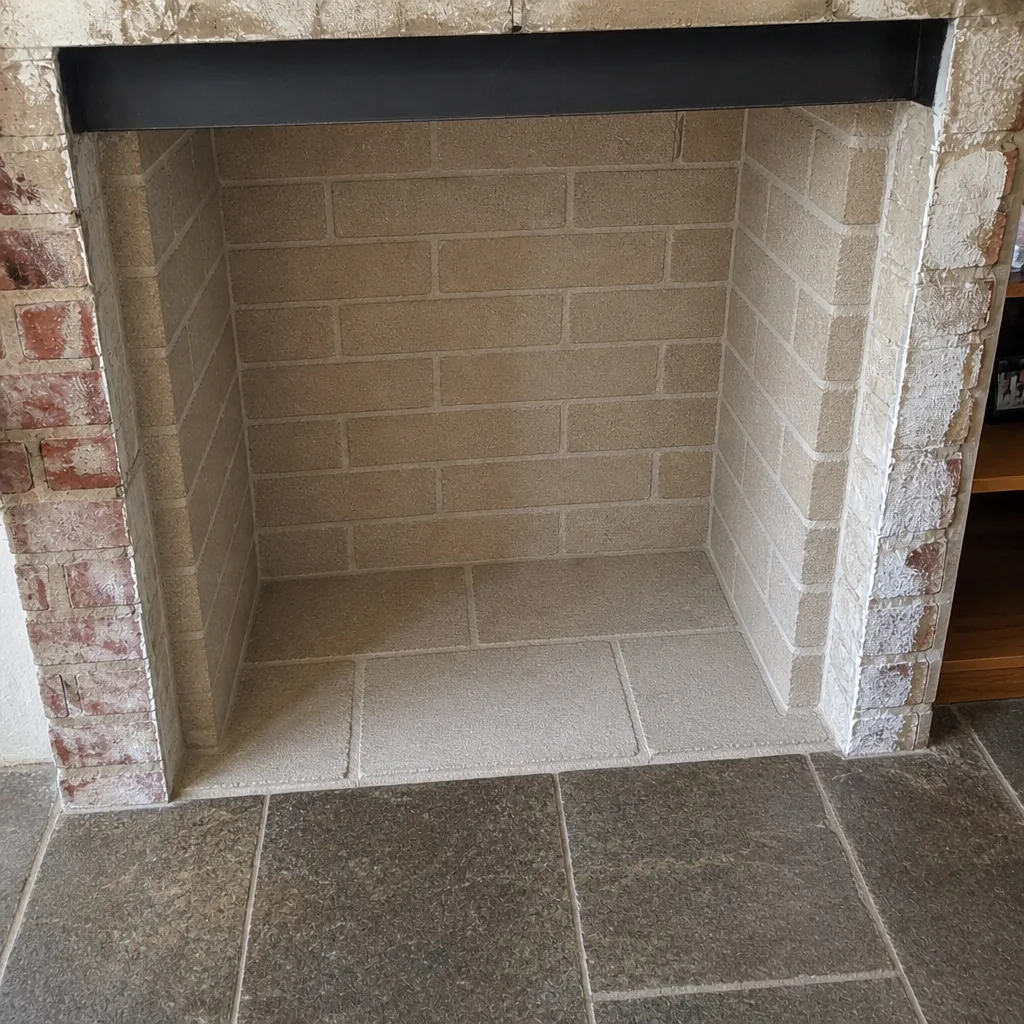
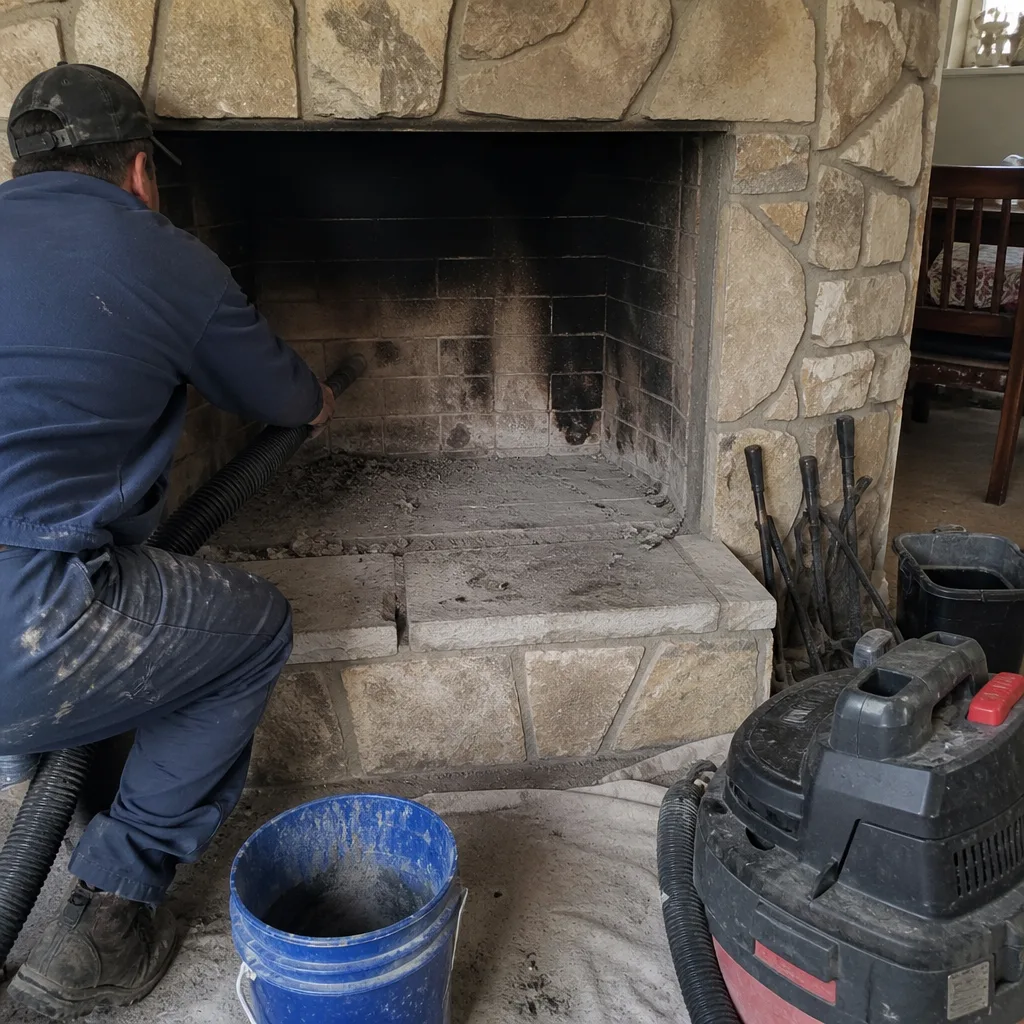
See the difference
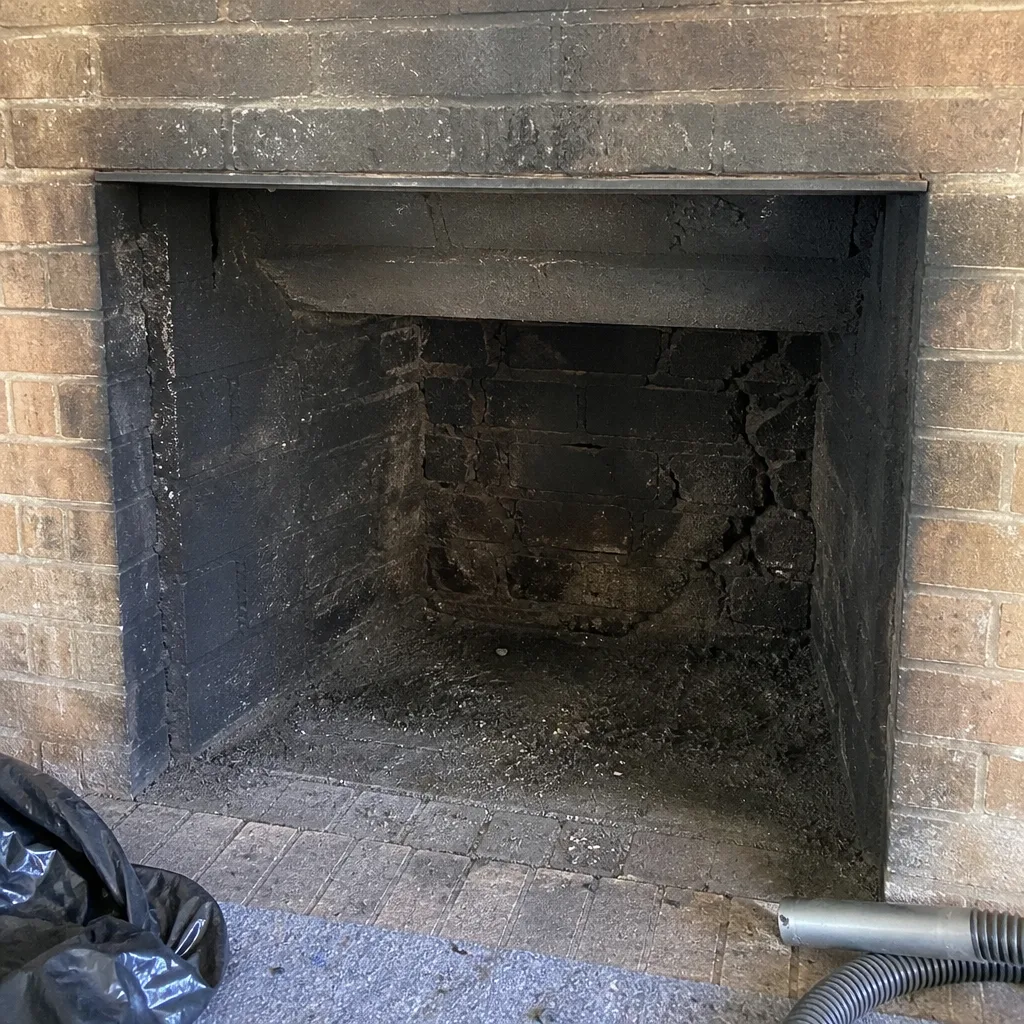 Before
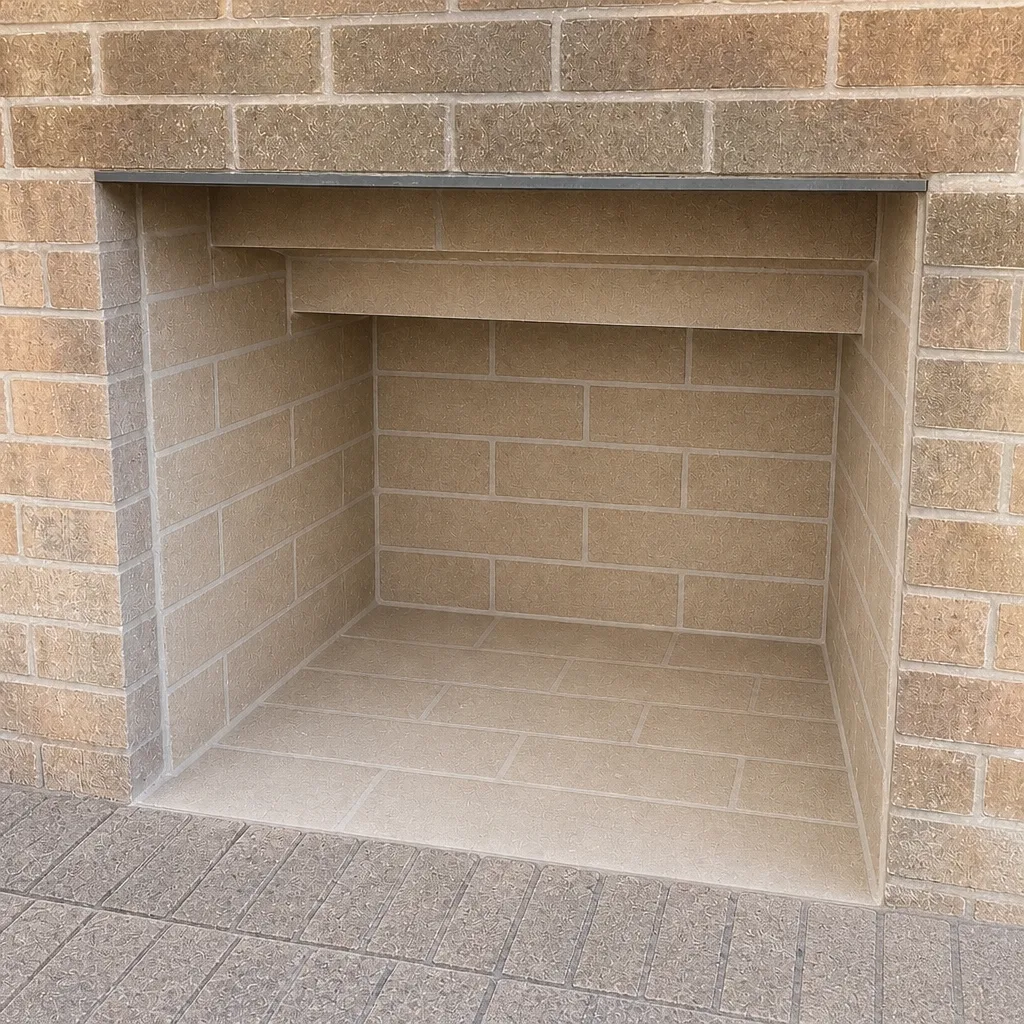 After
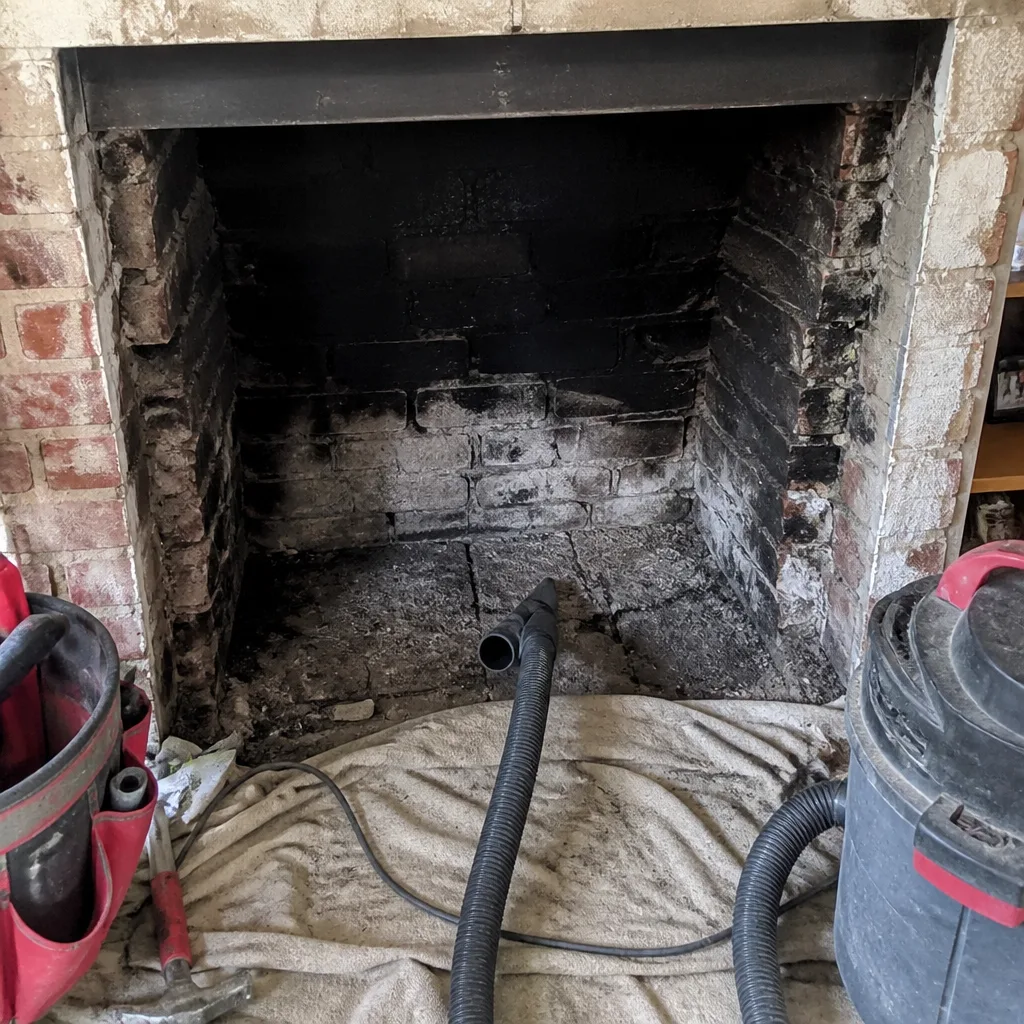 Before
 After
 Before
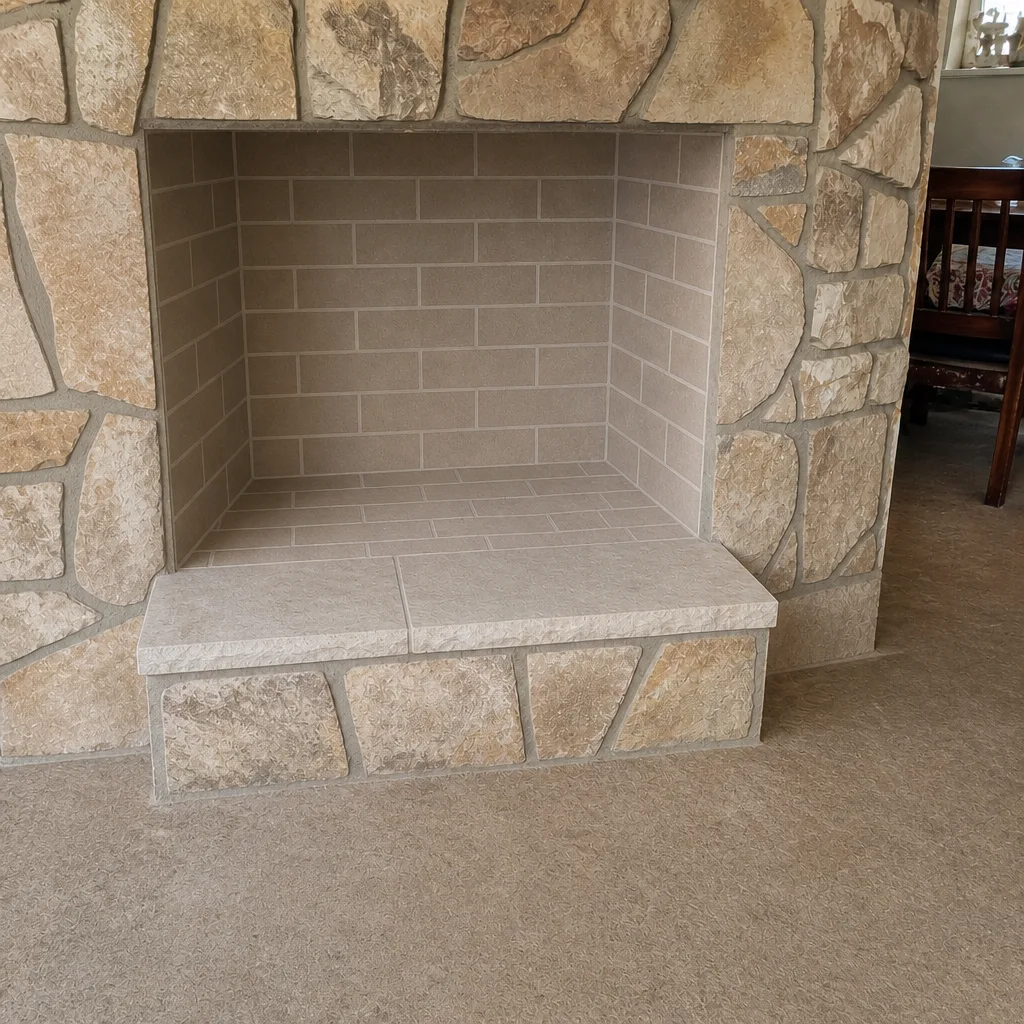 After
When to Call a Professional
Some homeowners can spot a developing problem by watching for warning signs. Others need a trained eye and a camera. Call a professional when any of these apply: a strong creosote smell in the room, smoke backing into the room when a fire is lit, visible damage to the chimney exterior or crown, a fire that smells of burnt ash long after it should be out, or signs of water staining on the masonry. If you’ve just moved into a home in Wichita Falls and don’t know the chimney’s history, a Level 2 inspection is the right first call, not a simple sweep. Lionheart Chimney Sweep offers free estimates in Wichita Falls, and our technicians have up to 15 years of experience. Call (855) 705-9859 to book a sweep or a diagnostic inspection. We answer 24/7. Fast dispatch from 7am to 7pm, Sunday through Friday.
Frequently Asked Questions
Once a year for most wood-burning fireplaces, and more often if you burn heavily, burn a lot of mesquite, or have cracked tiles. The summer heat here bakes creosote onto flue walls, so a single annual sweep timed after the previous burn season catches most problems before the next fire. If you can’t remember your last inspection, book a camera inspection first.
Cleaning is priced per job by a written estimate, which is the final figure. The estimate is free, and we set the price based on what the flue actually needs after the inspection. Ask for the estimate in writing before any work starts so there are no surprises. Call (855) 705-9859 for an exact quote.
Only if the inspection shows the existing liner is cracked, shifted or deteriorated, which is common in Wichita Falls because of clay-soil movement under chimney stacks. We don’t recommend a liner replacement without camera photos of the actual damage, so you can see the same evidence we’re working from. If the flue is intact, we say so and skip the liner entirely.
Creosote builds in stages, and in Wichita Falls the summer heat hardens it toward the glazed stage that fuels chimney fires. Skipping one year rarely causes an immediate problem, but skipping several lets creosote build to a point where full removal is harder and a cracked liner can go unnoticed. That’s when safety risk becomes real rather than theoretical.
Yes, for chimney repair, which is one of our three service lines alongside sweeping and dryer vent cleaning. If the inspection reveals a cracked tile, failed liner or other fixable issue, our technician can complete the repair using DuraFlex liner systems or HeatShield resurfacing as part of the same visit, rather than scheduling a subcontractor weeks out. That means one call handles both the diagnosis and the fix.
A sweep cleans the flue. An inspection evaluates its condition, and a camera is the tool that makes it meaningful. A proper visit in Wichita Falls combines both: the sweep removes deposits, the inspection documents the flue’s condition with photos and a written report, and any repair happens before the next burn. A cleaning without an inspection doesn’t tell you whether your chimney is safe.
The Bottom Line
Chimney cleaning in Wichita Falls isn’t one annual task, it’s a system. The summer bake cycle hardens creosote, the clay-heavy soil shifts under chimney stacks, and mesquite and post oak leave specific deposits that need to be caught before they graduate to the glazed stage. A complete visit includes camera inspection, full creosote removal rather than a cosmetic pass, repair capability in the same visit, and a written report you can read and question. If you want a straight answer about your chimney’s condition rather than a receipt, that’s the standard we hold ourselves to, and we’re glad to walk you through it for your Wichita Falls home.
Call (855) 705-9859 for a free estimate. We answer 24/7. Fast dispatch from 7am to 7pm, Sunday through Friday. We repair what we find, we document it with photos, and we tell you plainly what can wait.
Written by the team at Lionheart Chimney Sweep.